

 English
 Español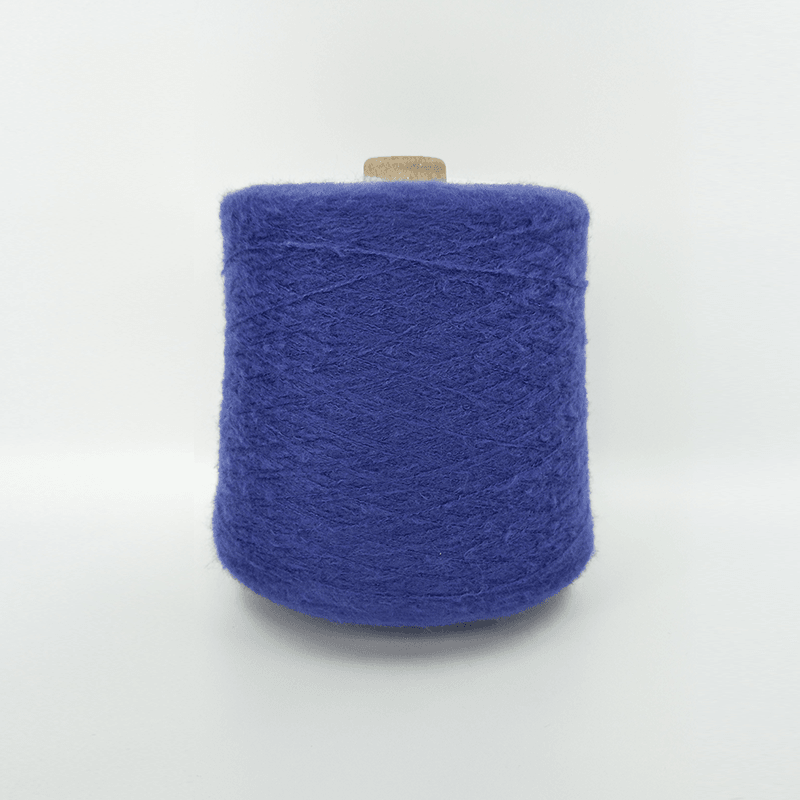
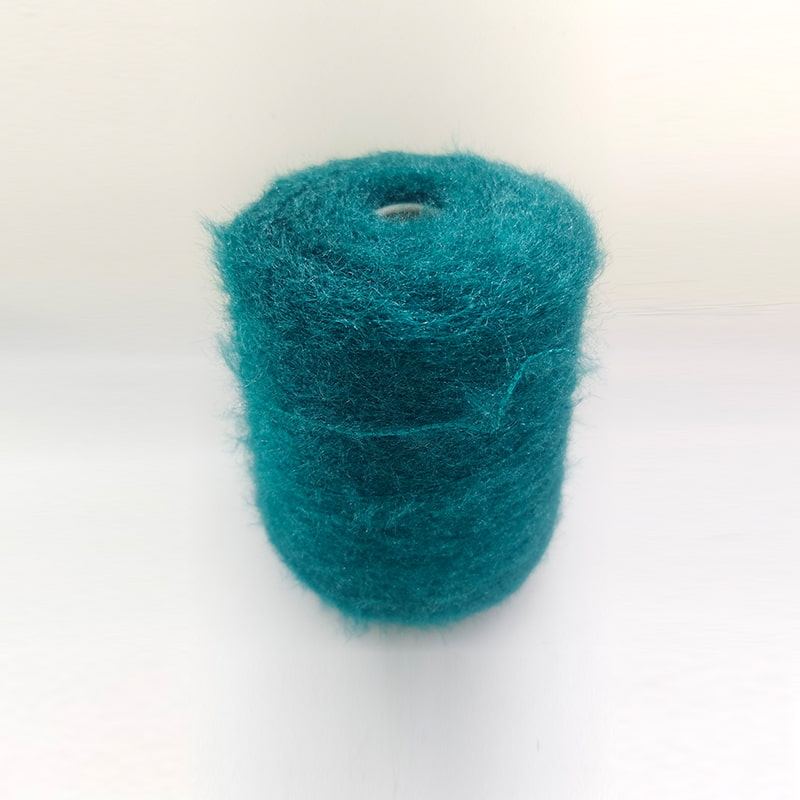
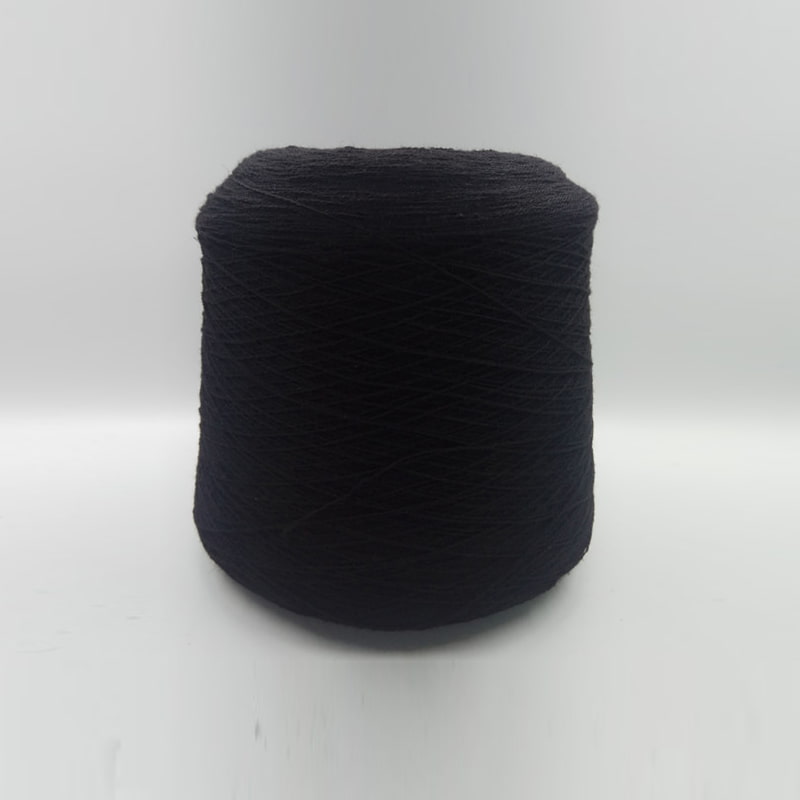
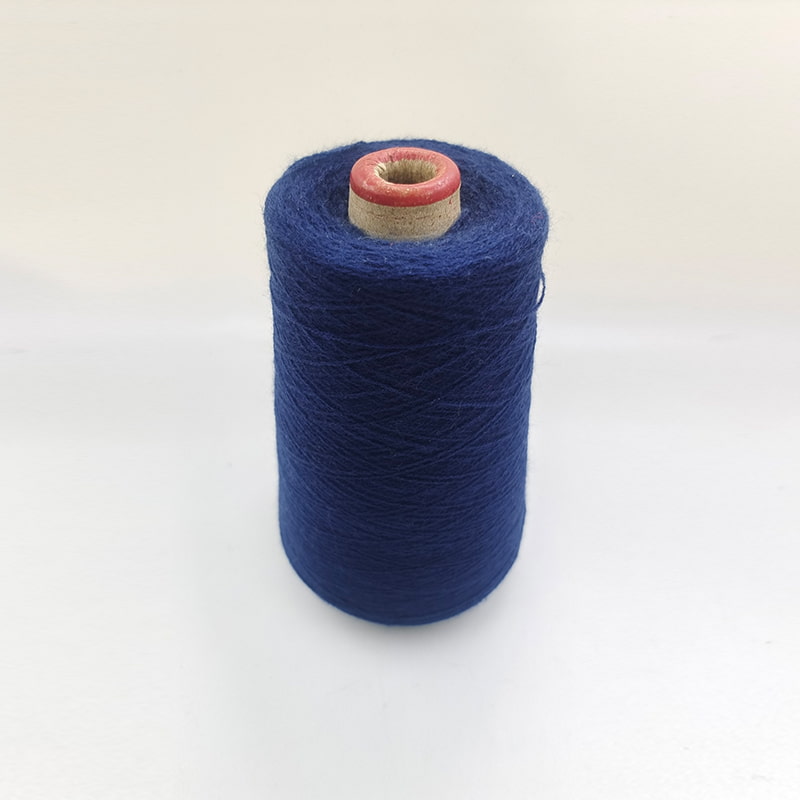
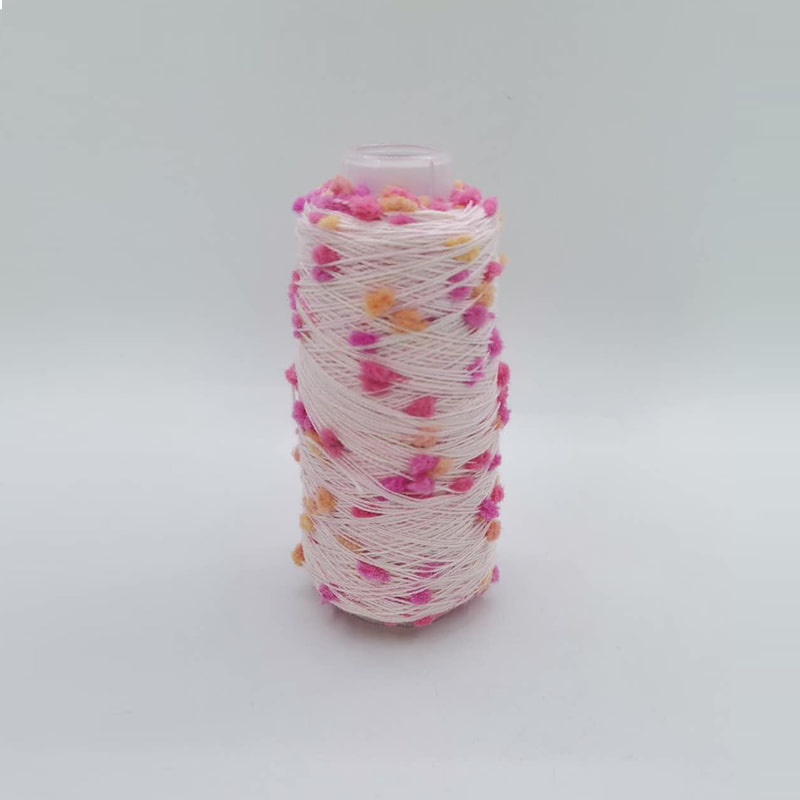
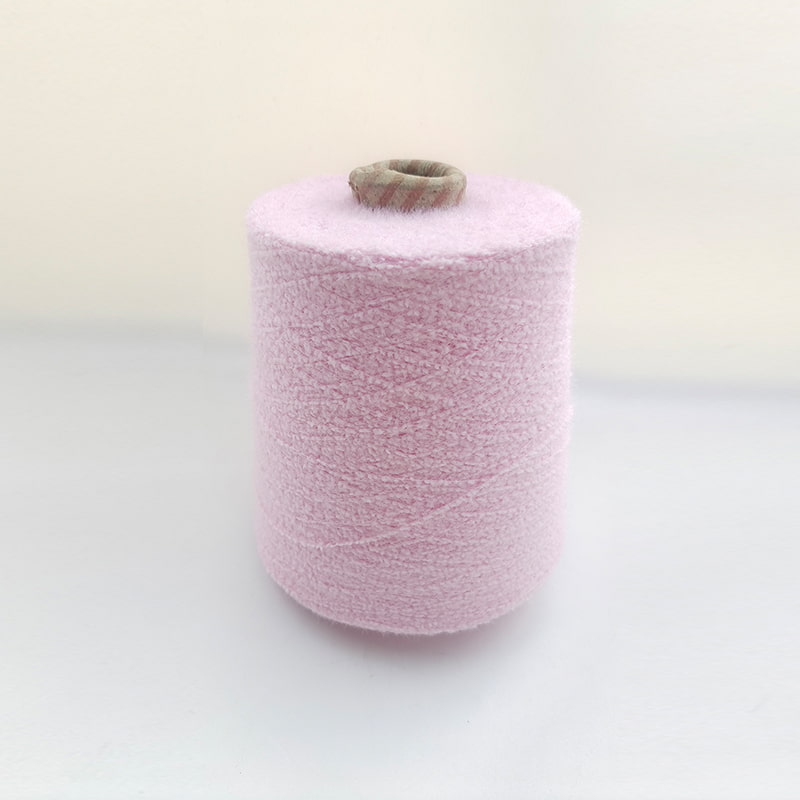
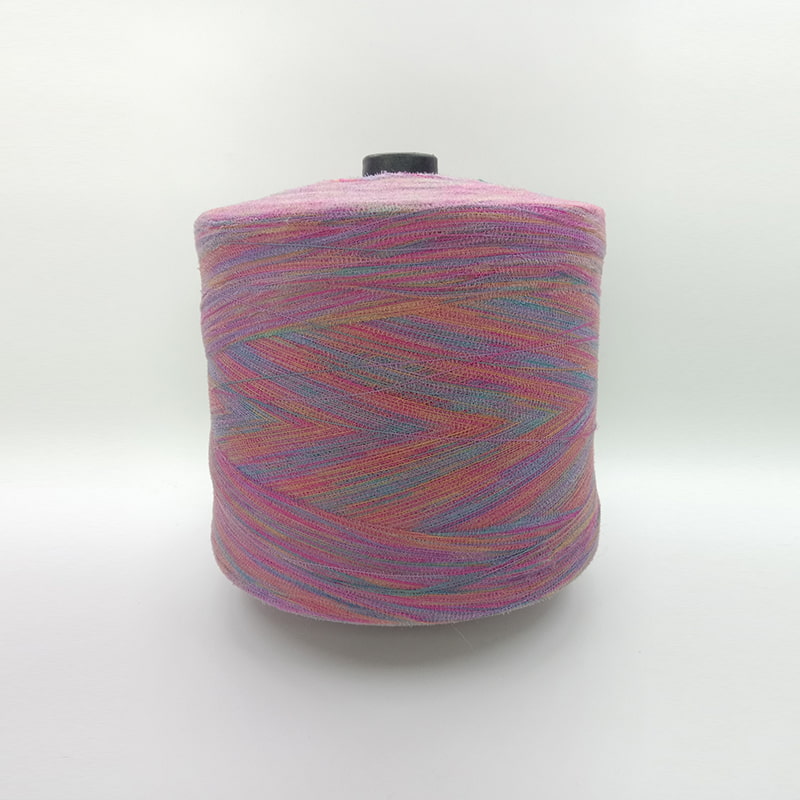
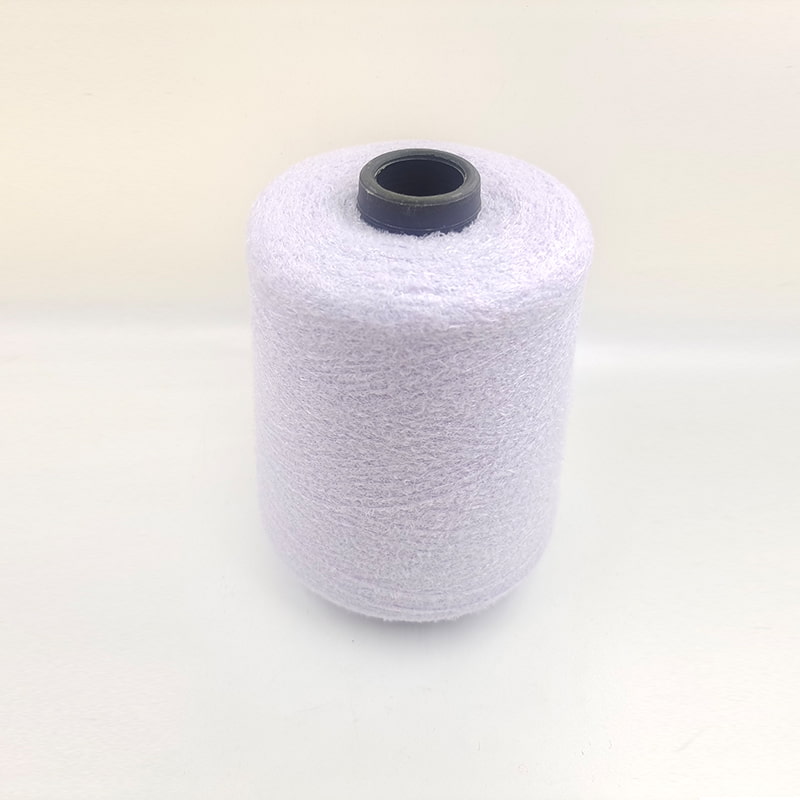
.jpg?imageView2/2/w/800/h/800/format/webp/q/75 "Viscose Core Spun Yarn")

 Click to view
“The company adheres to the business philosophy of 'You Win, I Win' ”
Content
Acrylic material is a synthetic fiber made from acrylonitrile, and after more than twenty years of spinning it, we still consider it one of the most practical fibers available. It is warm without being heavy, takes color easily, holds its shape, and costs a fraction of the natural fibers it resembles. That combination is why acrylic appears in sweaters, blankets, socks, upholstery, awnings, and outdoor panels.
This guide explains what acrylic material actually is, how it is produced, where it performs best, where it needs care, and what to check before specifying it in a yarn or fabric program.
What Is Acrylic Material?
Acrylic is defined by its chemistry rather than its appearance. It is a long-chain synthetic polymer in which at least 85 percent of the repeating units are acrylonitrile, with the remainder made up of comonomers that improve dye uptake and flexibility. When the acrylonitrile share falls to roughly 35 to 85 percent, the fiber is classified as modacrylic, a variant valued mainly for its flame resistance.
In fabric form, acrylic behaves a little like wool: it insulates, feels soft against the skin, and resists creasing. Unlike wool, it is not attacked by moths, it dries quickly, and it does not depend on animal supply chains or seasonal markets.
Acrylic fiber and acrylic sheet are two different products
A search for "acryl material" returns two unrelated families of goods. One is the textile fiber described here. The other is cast acrylic sheet, the rigid transparent plastic used for signage, displays, and protective screens. Both begin with acrylonitrile chemistry, but they are made on different equipment and sold to different industries. If your project involves yarn, fabric, or textiles, the fiber version is the one you need.
How Acrylic Material Is Made
Acrylic fiber production follows six main stages, from monomer to finished staple.
- Polymerization. Acrylonitrile monomer, usually paired with a small amount of comonomer, is reacted in solution to form polyacrylonitrile.
- Dope preparation. The polymer is dissolved in a solvent such as dimethylformamide or a sodium thiocyanate solution, producing a thick spinning dope.
- Fiber formation. The dope is extruded through spinnerets and solidified either in a coagulation bath (wet spinning) or in a heated shaft where the solvent evaporates (dry spinning).
- Drawing. The filament is stretched several times its original length so the polymer chains align, which is what gives the fiber its strength and dimensional stability.
- Texturing and cutting. The tow is crimped to build bulk and a wool-like hand, then cut to the staple length required by the spinning system.
- Coloration. Color is added either in the gel state shortly after spinning or later through conventional dyeing.
That last stage matters more than it first appears. When pigment is locked inside the fiber before it is spun into yarn, color is not sitting on the surface waiting to fade. Wash and light fastness improve, and downstream dyeing steps, along with the water and energy they consume, can be reduced or skipped. Most of the acrylic yarn we produce is color-spun for exactly that reason.
Key Properties of Acrylic Material
Buyers usually come to acrylic for warmth and easy care, then stay for the color and the cost. The table below summarizes the properties that matter most in real programs.
| Property | What it means in practice |
|---|---|
| Softness and loft | Crimped fiber traps air, so the yarn feels light, full, and warm |
| Insulation | High warmth-to-weight ratio, well suited to winter knitwear and blankets |
| Moisture behavior | Low moisture regain, dries quickly, blends well with viscose or cotton |
| Light resistance | Retains color and strength under UV exposure better than many synthetics |
| Resilience | Recovers from creasing and holds stitch definition and pleats |
| Pilling tendency | Standard grades can fuzz; anti-pilling grades and core-spun structures reduce it |
| Heat sensitivity | Softens at high temperature, so ironing must stay low and indirect |
| Dyeability | Accepts bright, deep shades, especially with solution-dyed fiber |
For yarn buyers, bulk is the property worth watching most closely. High-bulky acrylic is engineered so the crimp opens during heat treatment, creating air pockets that let a fine count knit into a fabric that feels thick and generous.
-2.jpg?imageView2/2/w/800/h/800/format/webp/q/75) High Bulky Acrylic YarnHigh Bulky Acrylic Yarn is produced by drawing acrylic fibers with different shrinkage rates under high temperature. Acrylic fiber is called “artificial wool“”, High B...View Product →
High Bulky Acrylic YarnHigh Bulky Acrylic Yarn is produced by drawing acrylic fibers with different shrinkage rates under high temperature. Acrylic fiber is called “artificial wool“”, High B...View Product →Acrylic Compared With Other Fibers
Acrylic rarely wins on every front. It wins on specific combinations of warmth, color, and value.
| Fiber | Main strength | Watch out for |
|---|---|---|
| Acrylic | Wool-like warmth, vivid color, low cost | Pilling and heat sensitivity in standard grades |
| Wool | Natural warmth and moisture management | Higher price, moth risk, careful washing |
| Polyester | Strength and quick drying | Cooler, less wool-like hand |
| Cotton | Breathability and skin comfort | Heavier, slower drying, less insulation |
| Modacrylic | Inherent flame resistance | Narrower supply and higher cost |
Where Acrylic Material Is Used
Knitwear and apparel
Sweaters, cardigans, hats, scarves, gloves, socks, and faux-fur or fleece-style fabrics are the classic acrylic applications, usually as 100 percent acrylic or in blends with wool and viscose.
Home textiles
Blankets, throws, cushions, curtains, and upholstery benefit from acrylic's color retention and resistance to moths and mildew, with the added advantage of easy washing.
Outdoor and technical textiles
Because acrylic handles sunlight and weather well, it is used in awnings, outdoor furniture covers, marine covers, and camping textiles, where color fastness outdoors is the deciding factor.
.jpg?imageView2/2/w/800/h/800/format/webp/q/75) Acrylic Outdoor YarnAcrylic fabric is a type of fabric made from acrylic fiber, commonly known as polyacrylonitrile. It has many advantages, such as UV resistance, anti-static properties,...View Product →
Acrylic Outdoor YarnAcrylic fabric is a type of fabric made from acrylic fiber, commonly known as polyacrylonitrile. It has many advantages, such as UV resistance, anti-static properties,...View Product →
Industrial and specialty uses
Acrylic serves in filtration media, ropes, nets, and protective covers. It is also the precursor for carbon fiber, which is why polyacrylonitrile chemistry receives so much attention beyond apparel.
Care and Processing Tips
A little attention at both ends of the supply chain keeps acrylic looking new far longer.
- Wash in cool water on a gentle cycle, and turn garments inside out to limit surface friction.
- Tumble dry on low or air dry flat; high heat is the fastest way to distort an acrylic garment.
- Iron at low temperature with a cloth between the iron and the fabric, or use distant steam instead.
- Wash less often, and use a laundry bag or filter to reduce microfiber release into wastewater.
- Keep yarn tension moderate during knitting or weaving; acrylic stretches permanently under heavy load.
- Store garments folded rather than hung, since acrylic can grow on hangers over time.
Common Questions About Acrylic Material
Is acrylic a plastic?
Technically yes. Acrylic fiber is a polymer, which places it in the same broad family as plastics. In fiber form, however, it is engineered into a soft, flexible staple that behaves very differently from a rigid plastic sheet.
Does acrylic pill?
It can. Short fibers work their way to the surface and tangle into pills, especially in low-twist yarns and high-friction areas. The fix starts at the fiber and yarn stage: anti-pilling grades, higher twist, and core-spun structures all cut pilling noticeably.
.jpg?imageView2/2/w/800/h/800/format/webp/q/75) Anti-pilling Acrylic Core Spun YarnDifferent from Acrylic Core Spun Yarn,Anti-pilling Acrylic Core Spun Yarn is made by anti-pilling acrylic fiber, which is more anti-pilling than ordinary acrylic fiber...View Product →
Anti-pilling Acrylic Core Spun YarnDifferent from Acrylic Core Spun Yarn,Anti-pilling Acrylic Core Spun Yarn is made by anti-pilling acrylic fiber, which is more anti-pilling than ordinary acrylic fiber...View Product →
Is acrylic safe to wear?
Acrylic fiber is widely used in clothing and blankets and is considered safe for skin contact. The more relevant discussion concerns solvent handling during production and microfiber shedding during washing, both of which mills and brands continue to address.
Does acrylic feel like wool?
It comes close, and in some ways it is easier: smoother, more uniform, and free of the prickle that coarse wool can cause. It is not identical in moisture handling, which is why wool and acrylic are so often blended.
Sourcing Acrylic Material and Yarn
Understanding the fiber is one thing; finding a spinner who delivers it consistently is another. As a color-spun yarn manufacturer with more than twenty years in the trade, we produce acrylic yarn from 10S to 60S on imported auto-winding lines and high-speed vortex spinning machines running at up to 550 meters per minute. The result is a yarn that feels lofty and soft, holds stable tensile strength, and resists pilling through repeated wear.
Because we dye the fiber before spinning, shade consistency holds from lot to lot, and we can move quickly on solid colors, multicolor effects, and fancy structures such as core-spun and brushed yarns. If you would like the fundamentals behind the fiber itself, our overview of acrylic yarn covers the basics, and for capacity, equipment, and capability details, our company profile is the best place to start.
