Suzhou RHZ
Textile Technology Co.,Ltd.
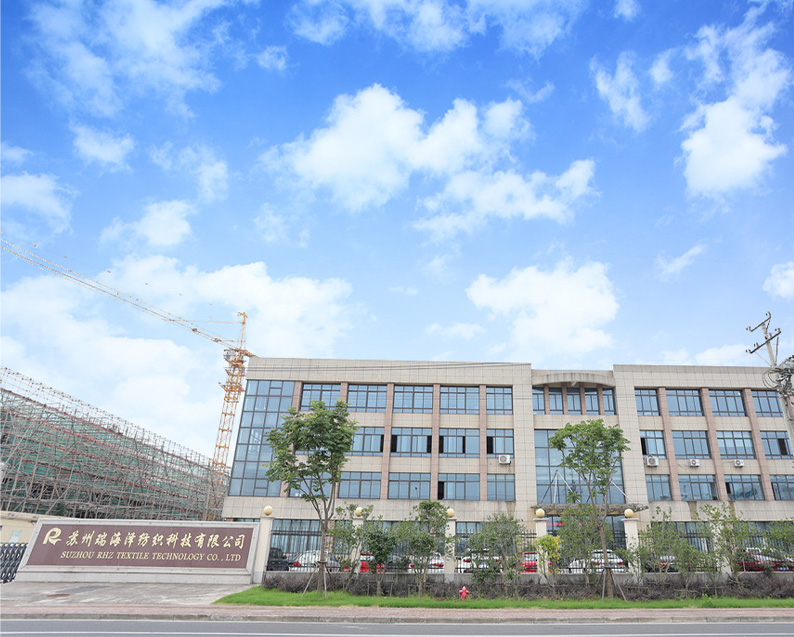
Located in Jiangsu Yangtze River International Metallurgical Industrial Park, Suzhou Ruihaize Textile Technology Co., Ltd.boasts a modern production base spanning 12,000 square meters. As a specialized textile manufacturer, the company has focused on the yarn industry for over a decade. Backed by solid financial strength and state-of-the-art machinery, it is fitted with fully imported automatic winding equipment capable of producing colored spun yarn ranging from 10S to 60S. Besides, the enterprise has introduced premium specialized machinery including Murata 870EX vortex spinning machines from Japan, high-speed crochet knitting machines and computerized fancy twisters. A newly added all-Italian production line is dedicated to fabric panel manufacturing for outdoor goods, securing dual guarantees for production capacity and product quality.
The flagship Murata 870EX vortex spinning machine imported from Japan ranks among the world’s top-tier high-speed vortex spinning equipment, hitting a maximum spinning speed of 550 meters per minute — 10 to 15 times faster than conventional ring spinning. Adopting a non-rotary mechanical twisting structure, it relies on high-speed swirling airflow to condense and twist fibers, featuring streamlined production procedures, low energy consumption, minimal yarn hairiness and consistent wrapping effect. A single machine yields over 60 kilograms of yarn per hour, covering a wide count range of 10S–60S and accommodating cotton, viscose, polyester and core-spun yarn. Finished yarn features fluffy softness, stable tensile strength and outstanding anti-pilling performance.
Equipped with high-speed crochet knitting machines driven by servo motors and electronic yarn feeding systems, the equipment runs at 1,200 stitches per minute with a daily output exceeding 10,000 meters. It can fabricate intricate patterns such as three-dimensional embossed, hollow-out and elastic textures, compatible with faux mink yarn, fancy yarn and diverse raw materials. The resulting fabrics deliver plush hand feel and varied styles, widely applied in home textiles and knitted apparel.
In addition, computerized fancy twisters equipped with multi-motor frequency conversion and servo control systems enable composite twisting of multi-ply yarns made of different materials at a rotational speed up to 12,000 revolutions per minute, with an average daily output of roughly 28,000 meters per unit. These machines efficiently manufacture core-spun yarn, slub yarn, segment-dyed yarn and faux mink fancy yarn with uniform twist, abundant color options and prominent three-dimensional effects to meet high-end customized orders.
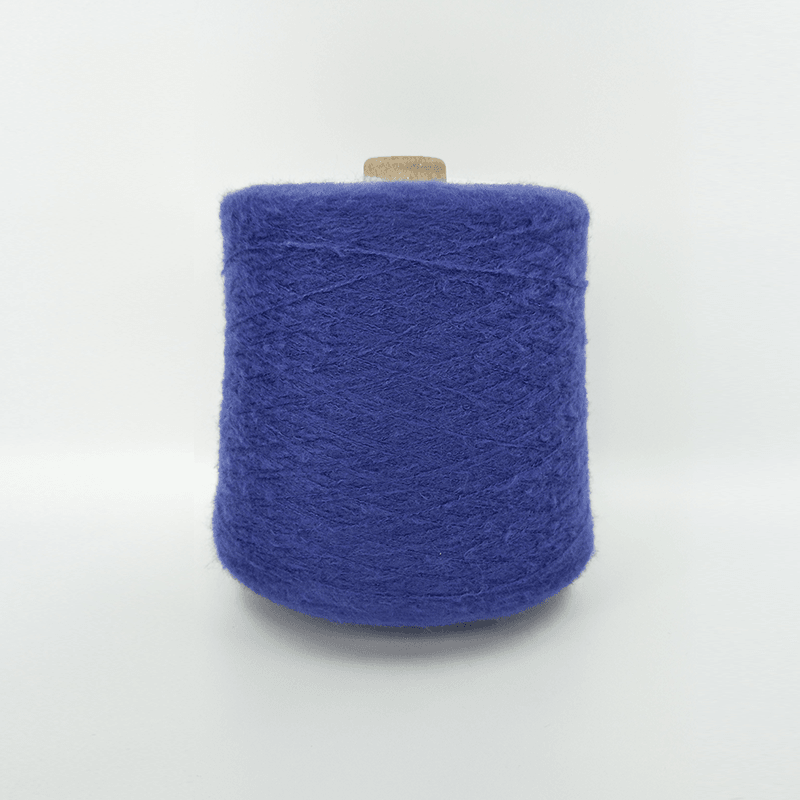
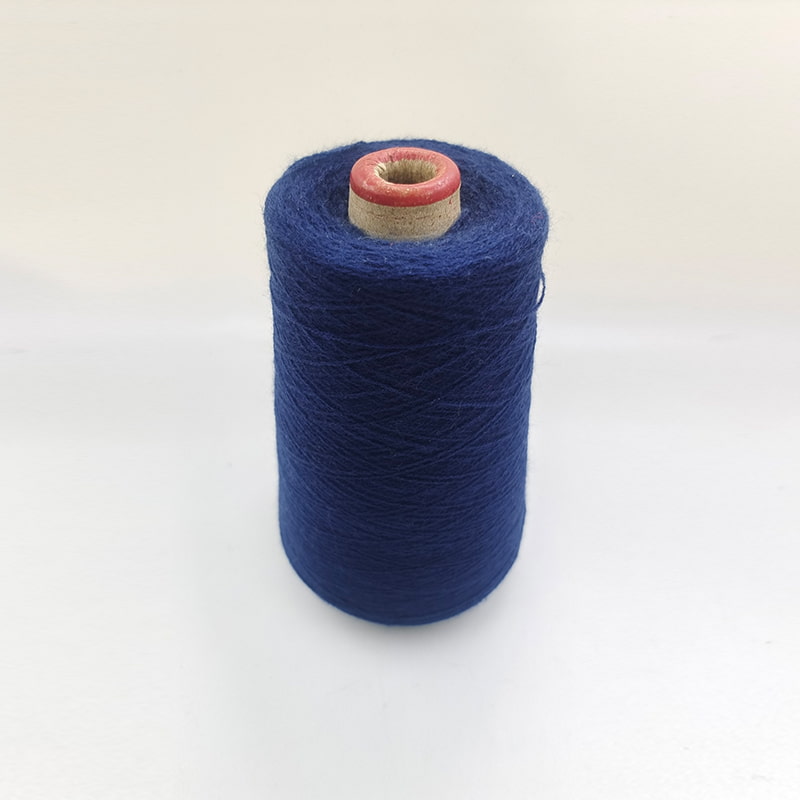
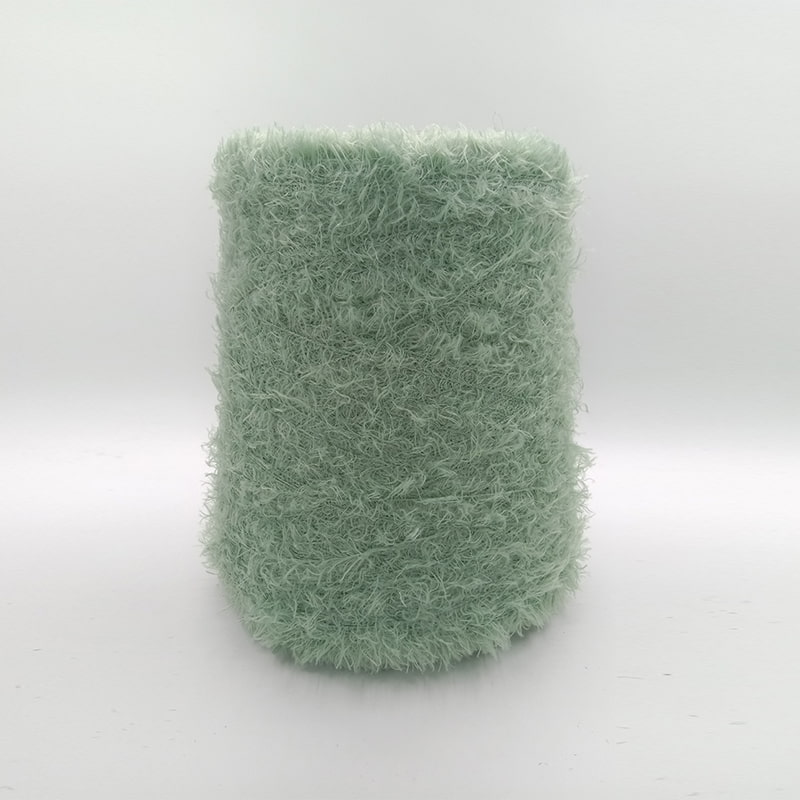
Our core business covers the R&D and production of core-spun yarn, vortex-spun core-spun yarn, fancy yarn and faux mink yarn. Leveraging a cluster of high-end production equipment and refined craftsmanship, we endow finished yarn with superior fluffiness, softness and durability, with products well-received across home textile, knitwear and outdoor supplies sectors.
We have earned customers’ trust and favor thanks to diversified product portfolios, complete specifications, competitive pricing and punctual delivery. Our products are mainly exported to the EU, Japan, the United States, Egypt, Southeast Asia and other regions, with established cooperative ties with international brands including H&M, ZARA and Paul Frank.
Currently, the company keeps refining its integrated systems covering procurement, production, quality inspection, marketing, sales, customer service and corporate management. Our management team closely tracks market trends and evolving consumer demands to pursue continuous innovation and sustainable progress. Upholding the business philosophy of "Customer First, Forging Ahead", we prioritize client interests and deliver premium services to all partners.


 English
 Español
.jpg "Viscose Core Spun Yarn")
.jpg "Viscose Core Spun Yarn")
.jpg "Viscose Core Spun Yarn")
.jpg "Viscose Core Spun Yarn")
.jpg?imageView2/2/w/800/h/800/format/webp/q/75 "Viscose Core Spun Yarn")
.jpg?imageView2/2/w/800/h/800/format/webp/q/75 "Rabbit Velvet Core Spun Yarn")
.jpg?imageView2/2/w/800/h/800/format/webp/q/75 "Colorful Nep Core Spun Yarn")
.jpg?imageView2/2/w/800/h/800/format/webp/q/75 "Space Dyed Hair Yarn")
.jpg?imageView2/2/w/800/h/800/format/webp/q/75 "Solid Acrylic Yarn")
.jpg?imageView2/2/w/800/h/800/format/webp/q/75 "Polyester Brush Yarn")
-1.jpg?imageView2/2/w/800/h/800/format/webp/q/75 "Feather Yarn")
.jpg?imageView2/2/w/800/h/800/format/webp/q/75 "Sequin Yarn")
.jpg?imageView2/2/w/800/h/800/format/webp/q/75 "Nitrile Bean Yarn")

 Click to view
