

 English
 Español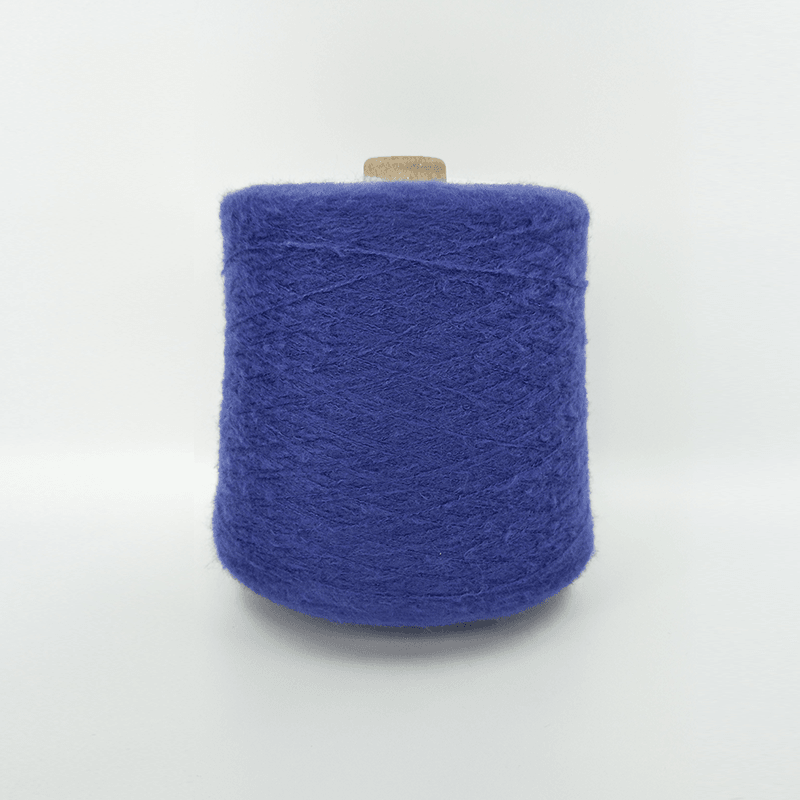
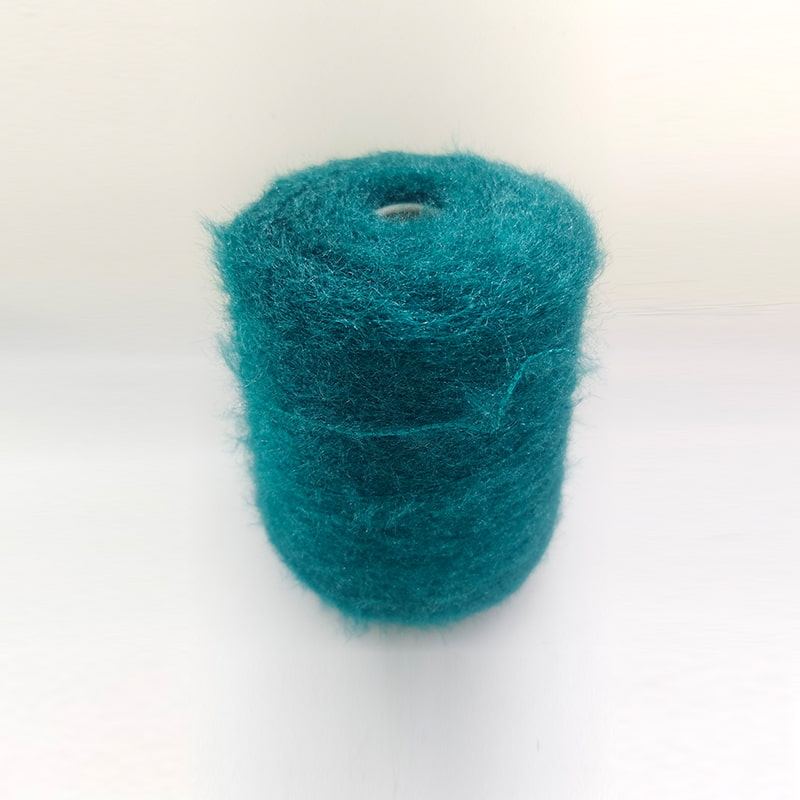
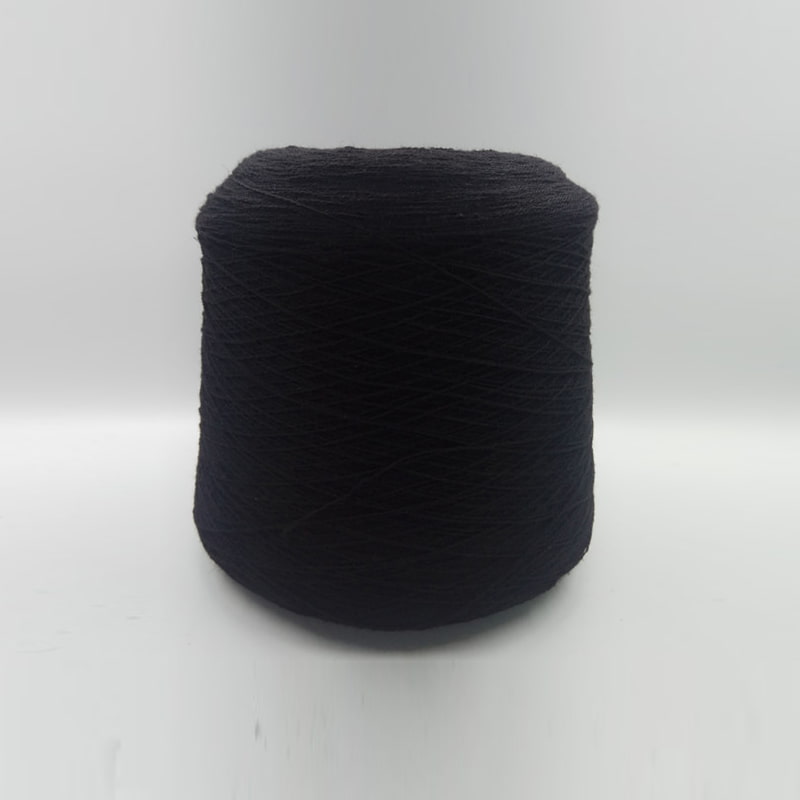
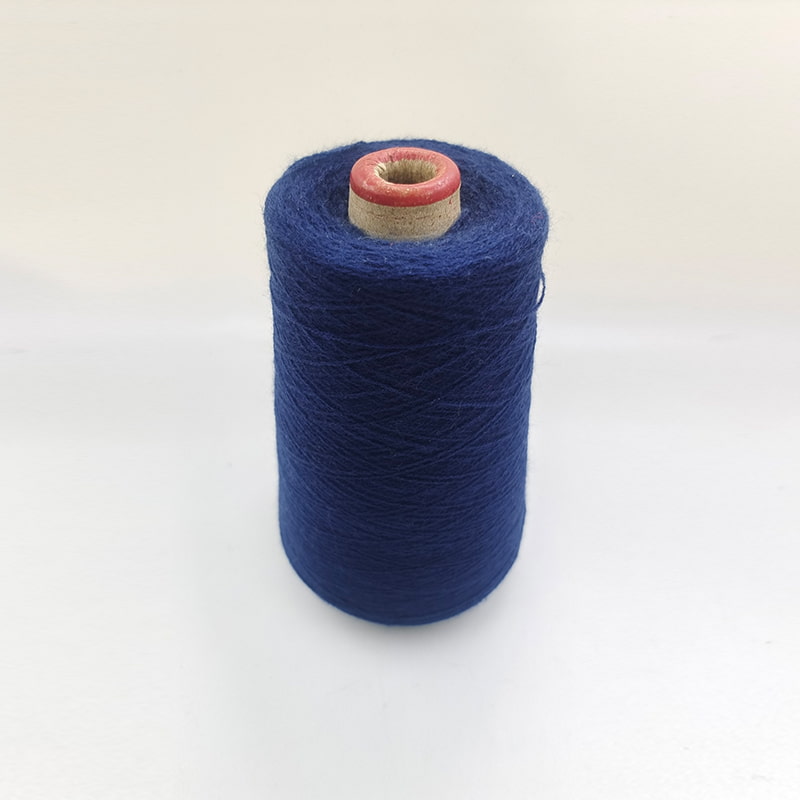
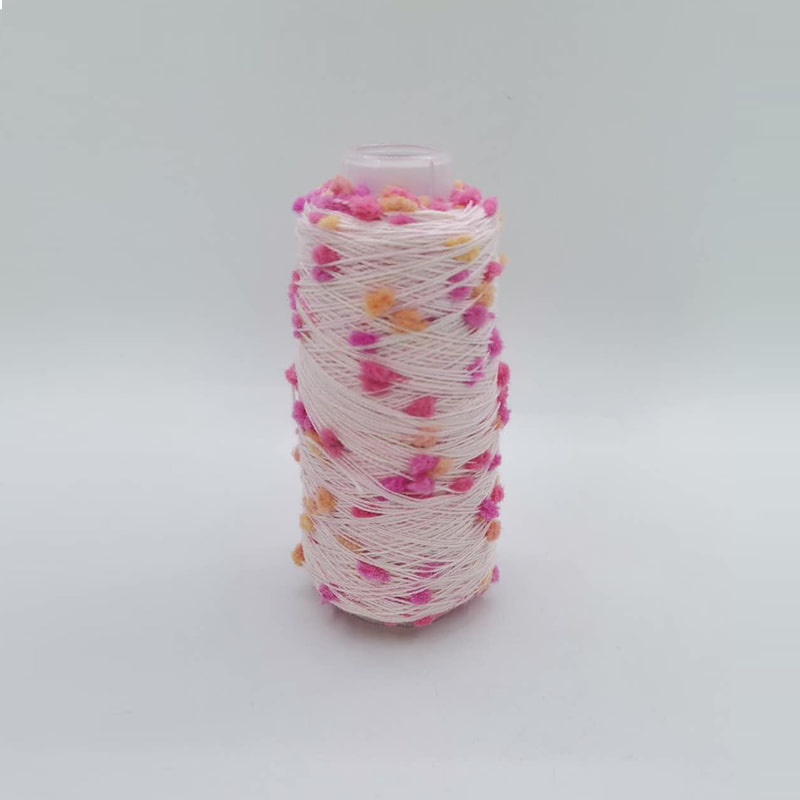
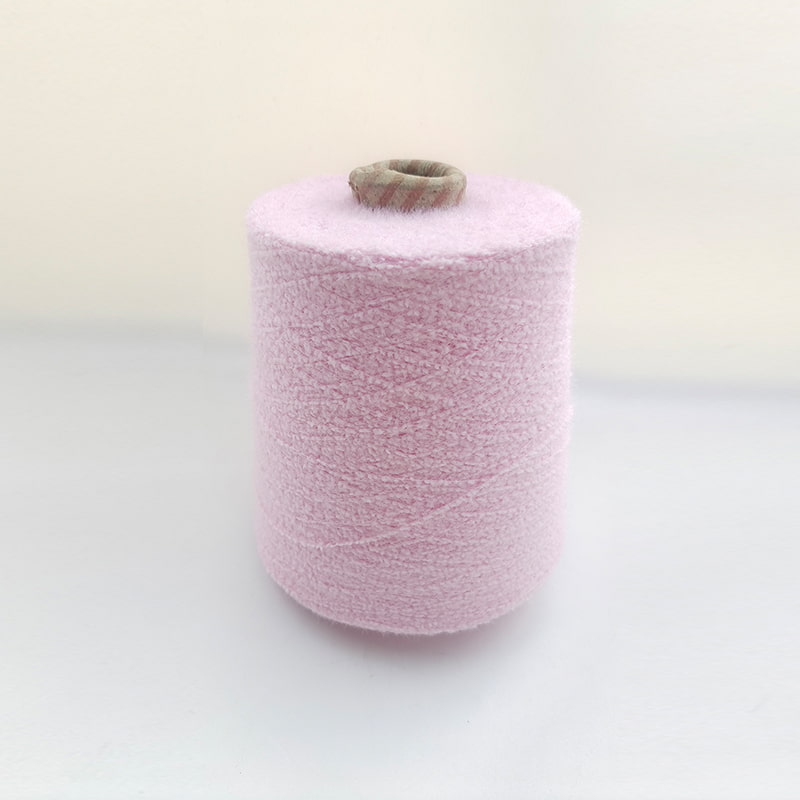
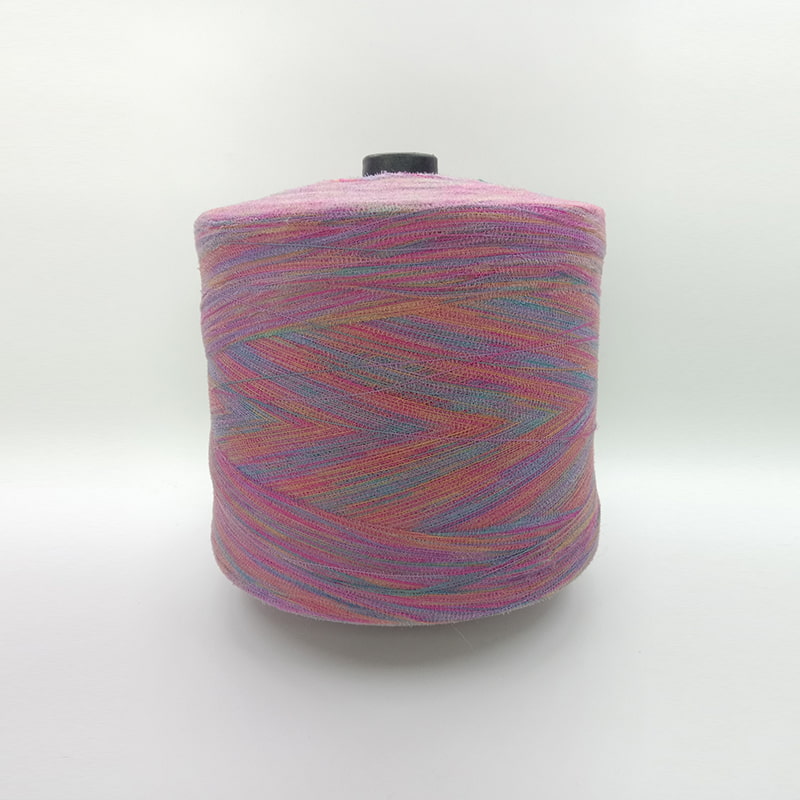
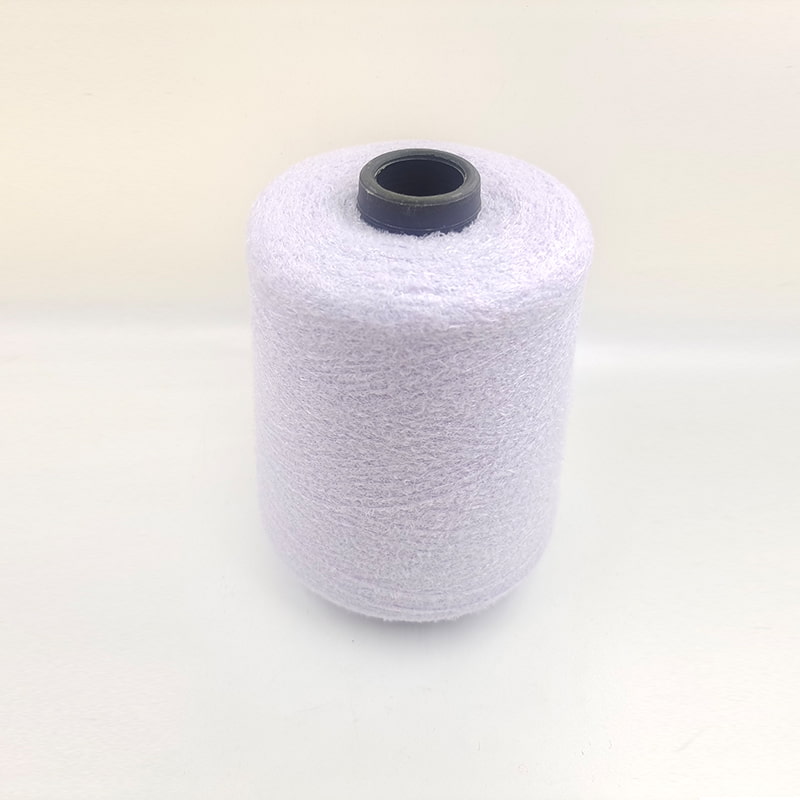
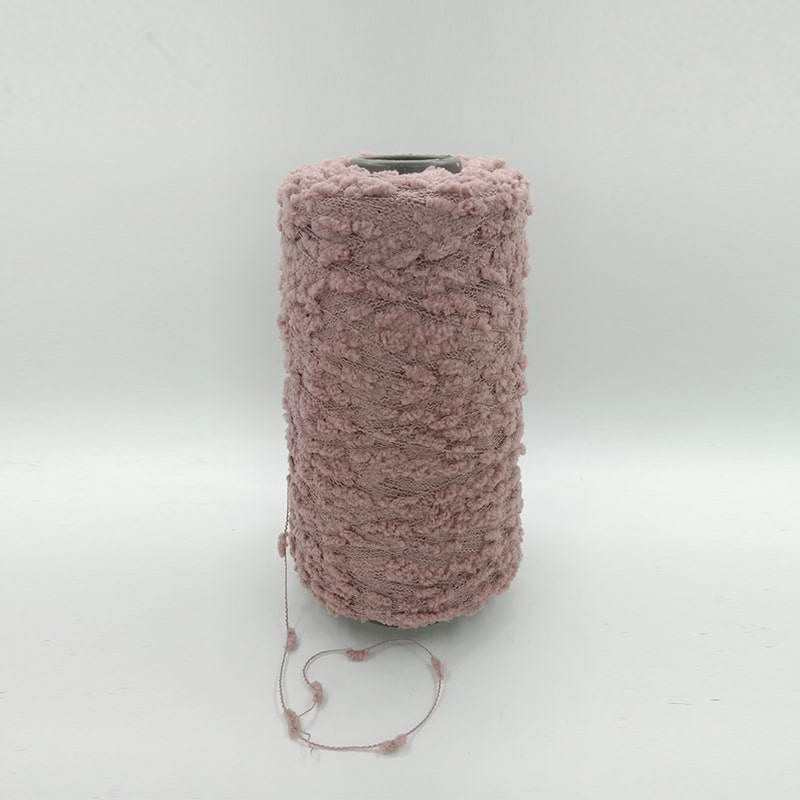
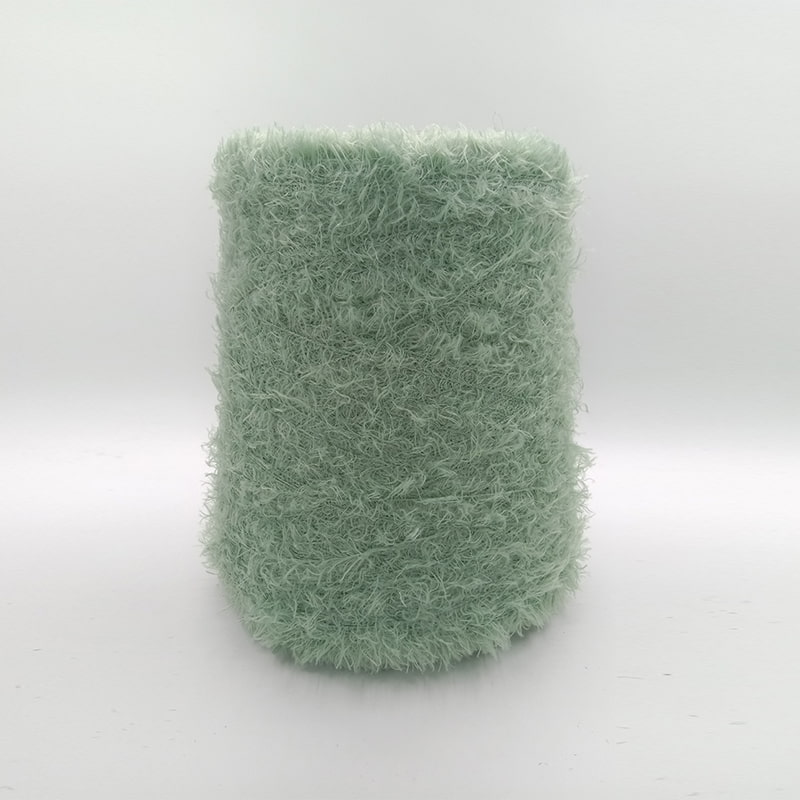
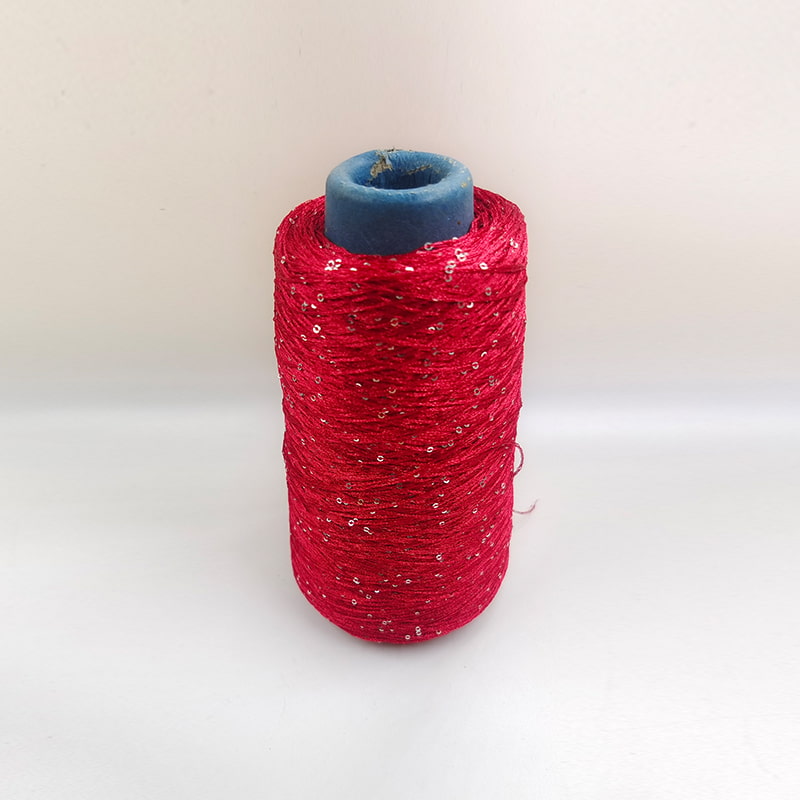
.jpg?imageView2/2/w/800/h/800/format/webp/q/75 "Viscose Core Spun Yarn")

 Click to view
“The company adheres to the business philosophy of 'You Win, I Win' ”
Content
Core spun yarn has become a staple in modern textile manufacturing thanks to its unique combination of strength, elasticity, and comfort. Unlike conventional single yarns, core spun yarn is engineered by wrapping staple fibers around a central filament core, resulting in a composite structure that outperforms standard yarns in durability and stretch recovery. This article breaks down what core spun yarn is, how it is made, where it is used, and what buyers or manufacturers should look for when selecting it for a project.
What Is Core Spun Yarn
Core spun yarn is a composite yarn made by twisting or wrapping staple fibers, such as cotton, polyester, or wool, around a continuous filament core, typically spandex, polyester, or nylon. The core provides structural strength and elasticity, while the outer staple fibers give the yarn its surface texture, softness, and breathability. This construction allows manufacturers to combine the best properties of two different fiber types into a single yarn, something that would be difficult to achieve with a single uniform fiber.
The most common version is spandex-core yarn, where a spandex filament sits at the center and is wrapped with cotton or polyester fibers. This produces a yarn that looks and feels like a natural fiber on the surface but behaves like a stretch fabric when woven or knitted, making it ideal for fitted garments that need to move with the body.
How Core Spun Yarn Is Manufactured
Core spun yarn is typically produced using ring spinning technology, though air-jet and vortex spinning methods are also used for specific applications. In ring spinning, the filament core is fed through the center of the spinning machine while staple fibers are simultaneously drawn and twisted around it. The tension applied to the core filament during this process directly affects the final yarn's stretch behavior, so precise control is critical to achieving consistent quality.
.jpg?imageView2/2/w/500/h/500/format/jpg/q/100)
There are two primary techniques used in core spinning: sheath-core spinning and wrap spinning. Sheath-core spinning fully encases the filament core within the staple fiber sheath, which is the most common method for spandex-core yarns used in apparel. Wrap spinning, on the other hand, involves winding fiber around the core in a looser configuration, often used when a coarser or more textured surface is desired.
Key Production Variables
- Core filament type and denier, which determine stretch and recovery
- Draft ratio of the sheath fiber, affecting yarn thickness and coverage
- Twist level, which influences yarn strength and surface smoothness
- Core tension during spinning, critical for consistent elasticity
Common Fiber Combinations
The choice of core and sheath fiber depends heavily on the intended end use of the fabric. Below is a breakdown of frequently used combinations and the properties they deliver.
| Core Fiber | Sheath Fiber | Typical Application |
| Spandex | Cotton | Stretch denim, t-shirts |
| Spandex | Polyester | Activewear, swimwear |
| Polyester filament | Cotton | Durable work wear fabrics |
| Nylon | Wool | Socks, outerwear knits |
| Spandex | Rayon/Viscose | Fashion knitwear, dresses |
Advantages of Using Core Spun Yarn
One of the biggest advantages of core spun yarn is its ability to combine stretch with a natural fiber surface. Fabrics made from core spun yarn retain the breathability and hand-feel of cotton or wool while gaining recovery properties typically associated with synthetic stretch fibers. This makes garments more comfortable during movement and helps them maintain their shape over repeated wear and washing cycles.
Durability is another major benefit. Because the filament core carries much of the tensile load, core spun yarns tend to resist breakage better than yarns spun entirely from staple fibers. This is particularly valuable in applications like denim, where fabric is subjected to repeated stress and abrasion. Additionally, the encapsulation of the spandex core within the staple fiber sheath protects the elastic filament from UV degradation and chemical exposure during dyeing and finishing, extending the usable life of the fabric.
Practical Benefits Summarized
- Improved stretch and shape recovery compared to non-core yarns
- Better abrasion resistance due to the protective fiber sheath
- Retains the natural look and feel of the outer fiber
- Reduced spandex degradation from heat, chemicals, and UV exposure
- Consistent yarn diameter, which improves fabric uniformity
Where Core Spun Yarn Is Used
Core spun yarn is widely used across apparel, home textiles, and industrial fabrics. In apparel, it is the backbone of stretch denim, athletic leggings, compression garments, and fitted knitwear, where both comfort and shape retention are essential. Sock manufacturing also relies heavily on core spun yarn, particularly for the ankle and cuff areas, where elasticity keeps the sock in place throughout the day.
In home textiles, core spun yarns appear in upholstery fabrics and stretch slipcovers, where durability under repeated tension is important. Industrial applications include elastic webbing, medical compression bandages, and safety harness components, where the combination of strength and controlled stretch is a functional requirement rather than just a comfort feature.
What to Consider When Sourcing Core Spun Yarn
Buyers sourcing core spun yarn for manufacturing should evaluate several technical specifications before placing an order. Yarn count, expressed in numbers such as Ne or tex, indicates the thickness of the yarn and should match the intended fabric weight. Core filament denier affects how much stretch the final yarn will provide, so lower denier cores are typically chosen for lightweight stretch fabrics, while higher denier cores suit heavier, more structured textiles like denim.
It is also important to check the core coverage ratio, which describes how completely the staple fiber sheath encloses the filament core. Poor coverage can lead to the core showing through the fabric surface or causing uneven dye uptake during finishing. Reputable suppliers will typically provide test data on tensile strength, elongation percentage, and recovery rate, all of which help predict how the yarn will perform in the final textile product.
Sourcing Checklist
- Confirm yarn count matches the target fabric weight
- Verify core filament denier aligns with desired stretch level
- Request tensile strength and elongation test reports
- Check core coverage consistency to avoid dye and surface defects
- Ask about compatibility with intended dyeing and finishing processes
Core spun yarn continues to play a central role in producing fabrics that balance comfort, durability, and stretch performance. Whether used in everyday apparel or specialized industrial products, understanding its construction and key specifications helps manufacturers and buyers make informed decisions that lead to better-performing finished textiles.
