

 English
 Español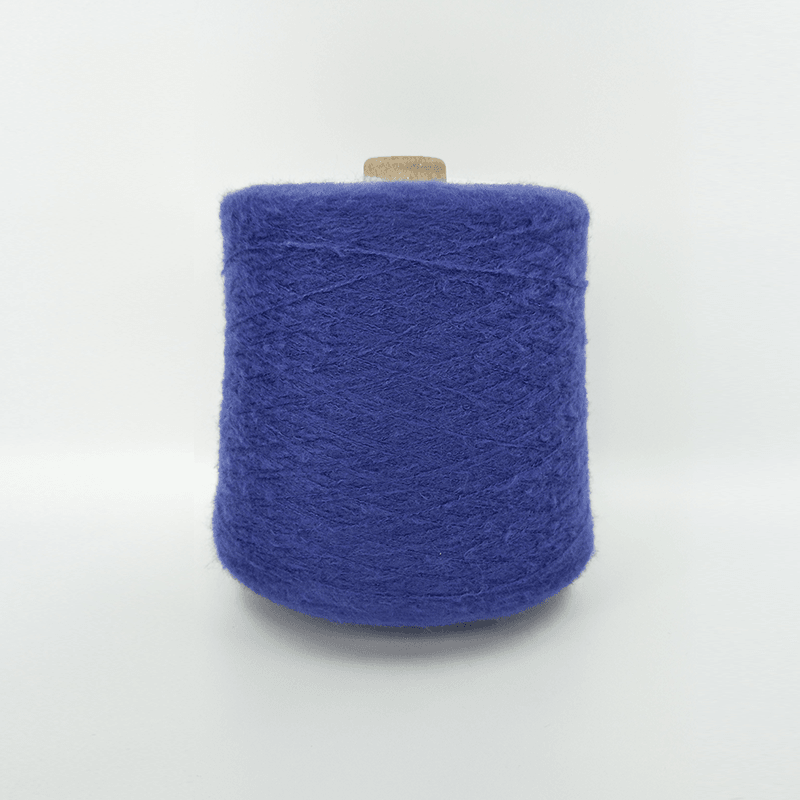
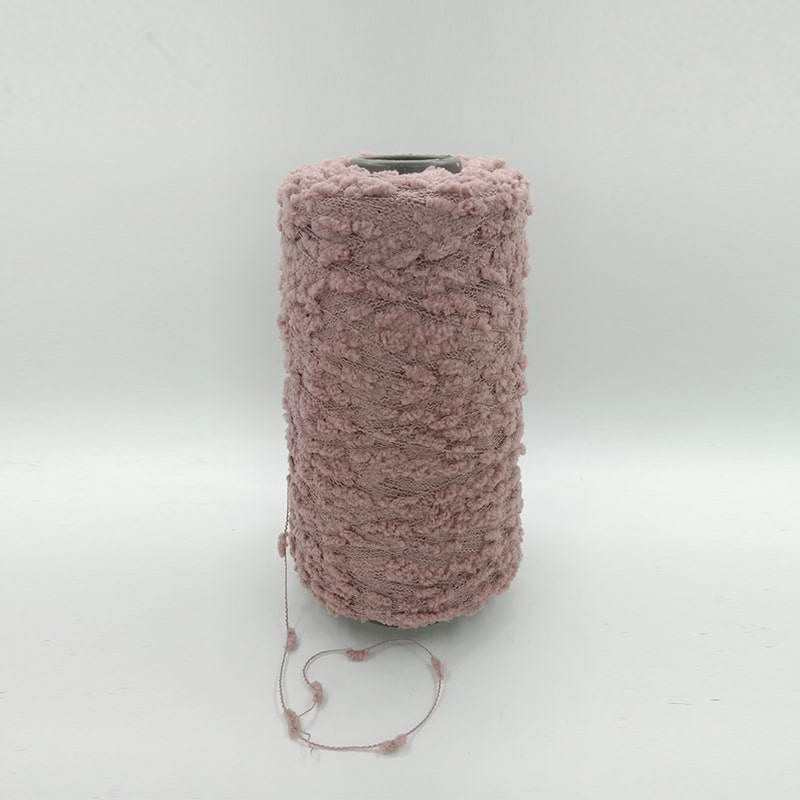
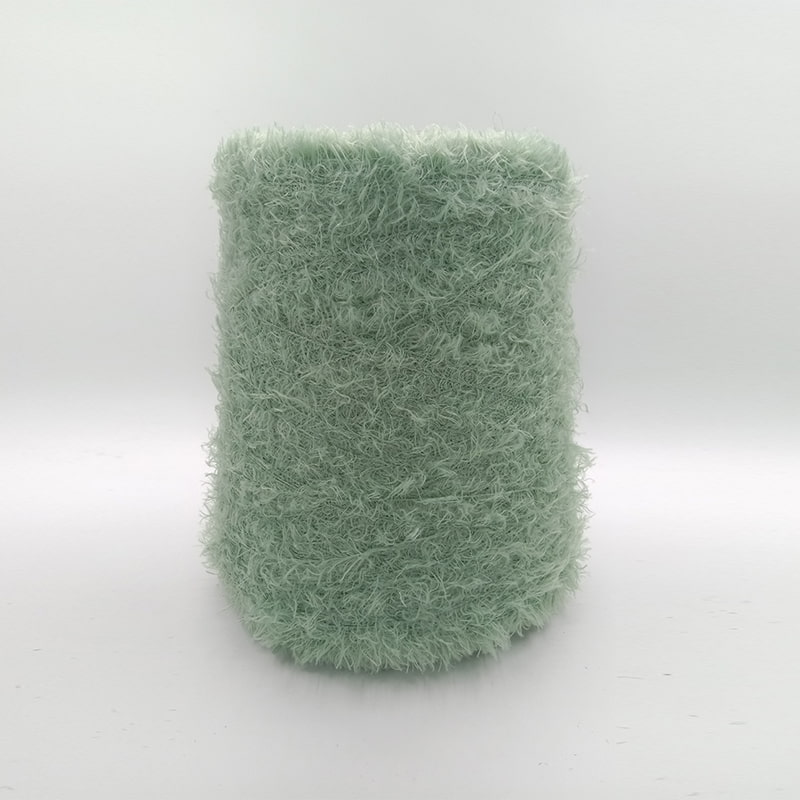
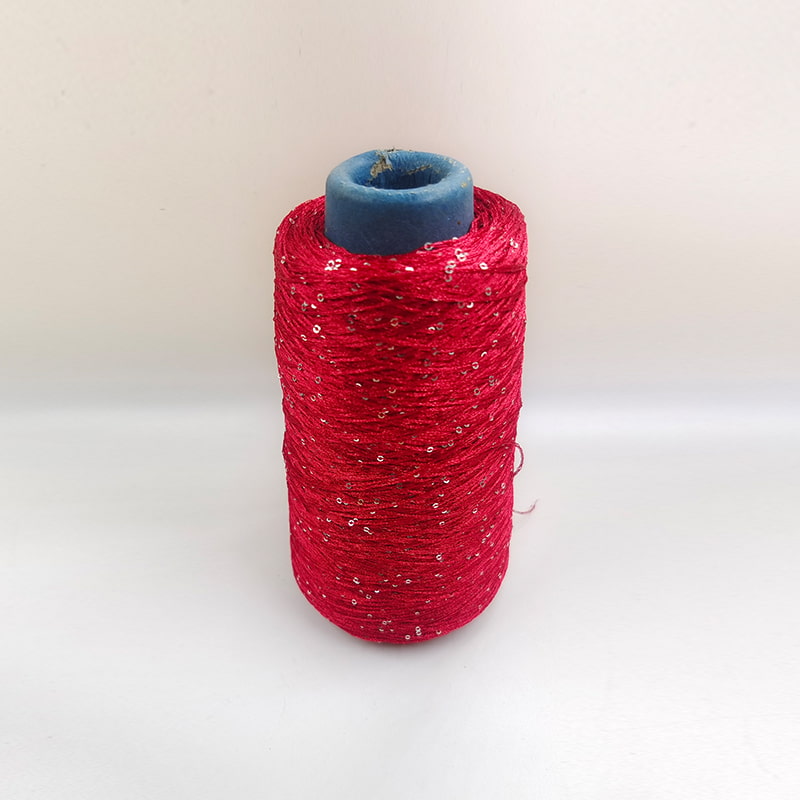
.jpg?imageView2/2/w/800/h/800/format/webp/q/75 "Viscose Core Spun Yarn")

 Click to view
“The company adheres to the business philosophy of 'You Win, I Win' ”
Content
- 1 Understanding Hairy Knitting Yarn and Its Core Characteristics
- 2 Common Materials Used in Hairy Knitting Yarn
- 3 Material Comparison Table for Hairy Knitting Yarn
- 4 Main Applications of Hairy Knitting Yarn
- 5 Why Hairy Knitting Yarn Is Popular in Fashion Markets
- 6 How to Select High-Quality Hairy Knitting Yarn
- 7 Production and Manufacturing Advantages
- 8 Conclusion
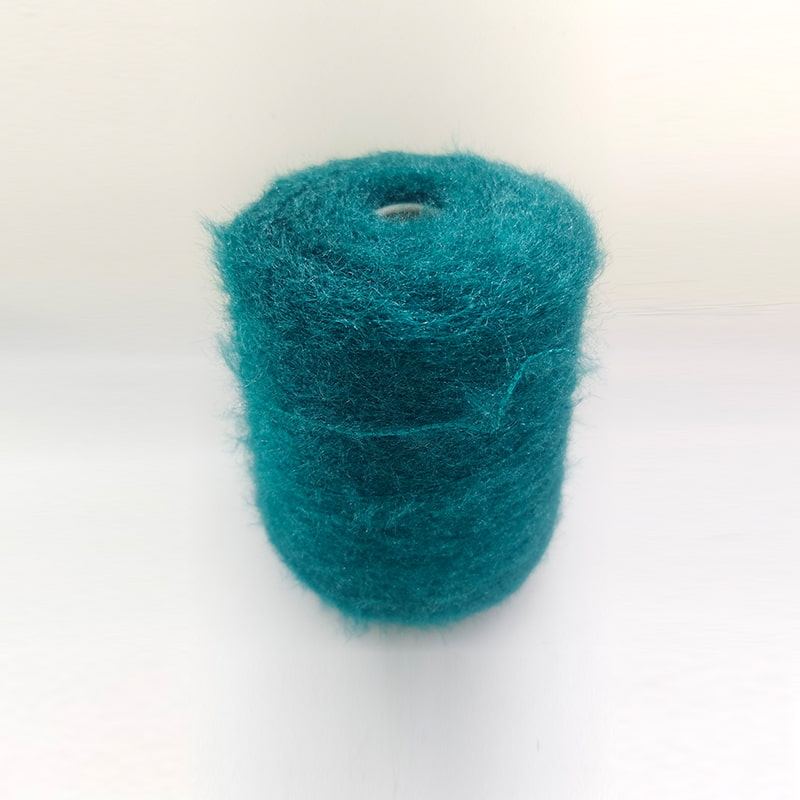
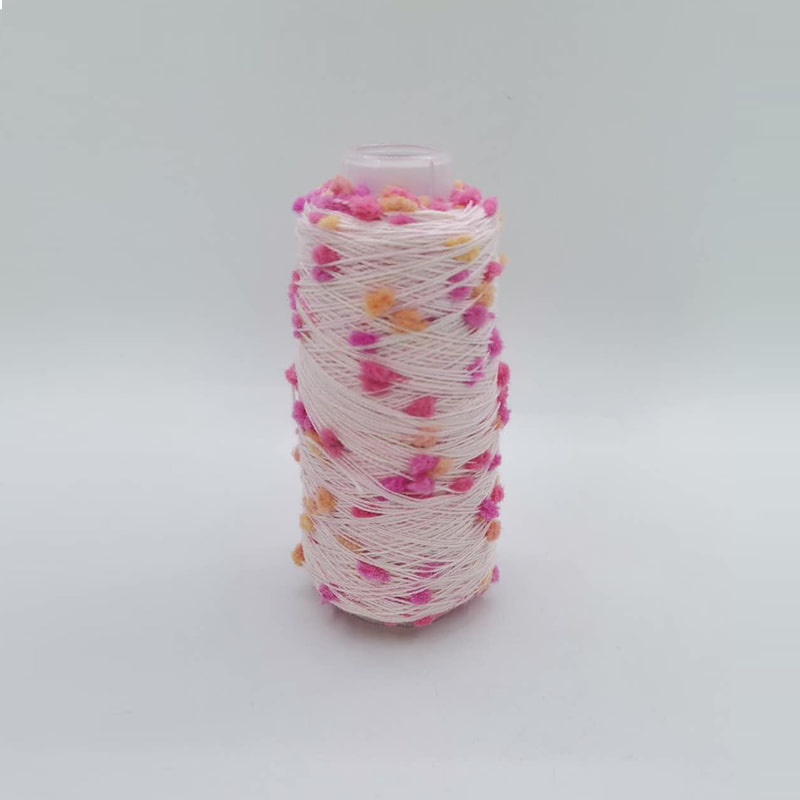
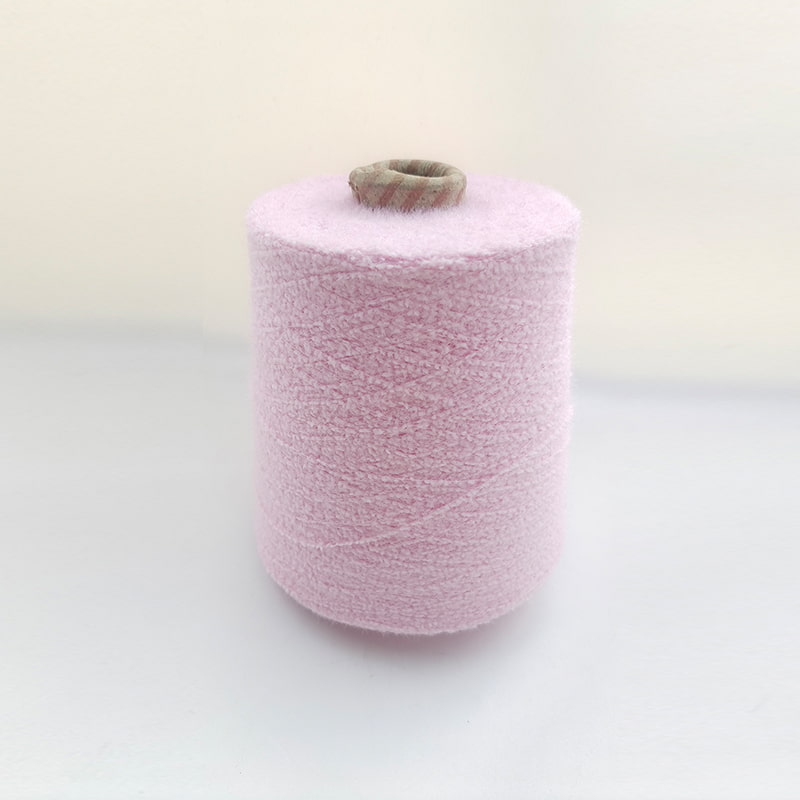
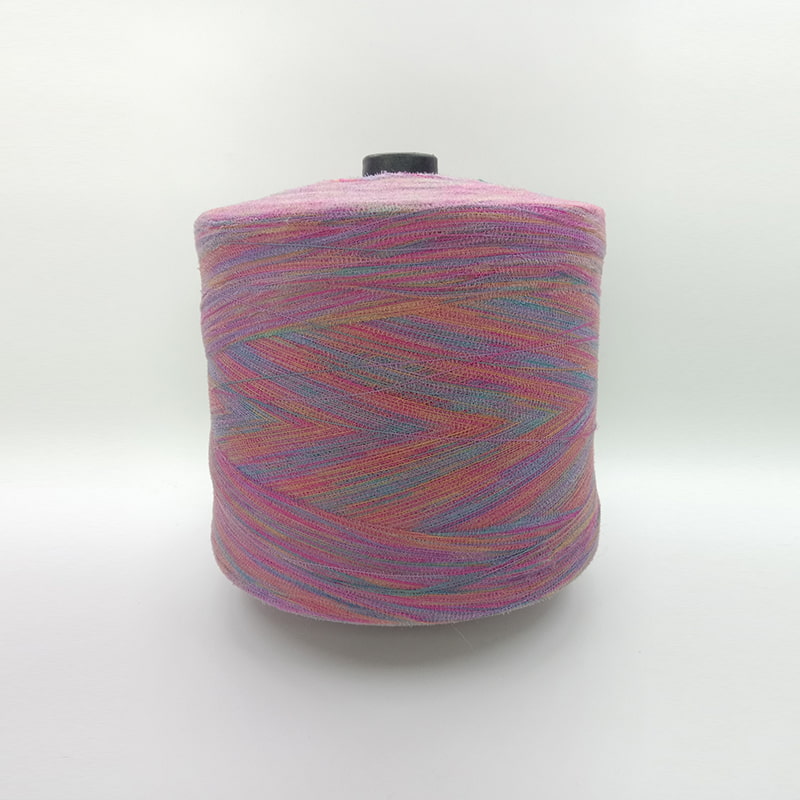
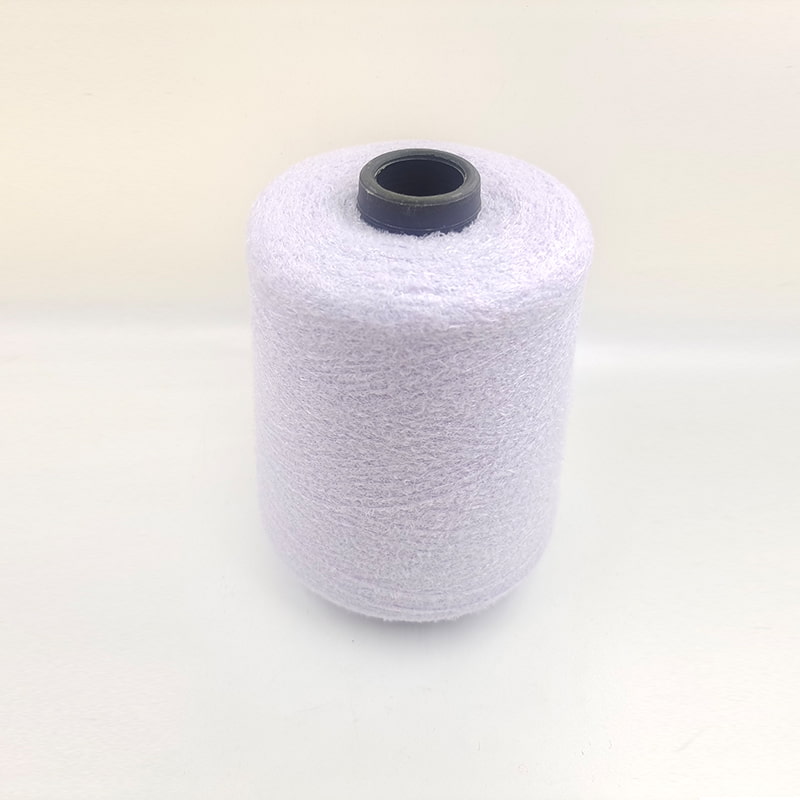
Hairy knitting yarn is a highly popular textile material known for its soft texture, fluffy surface, and warm appearance. Widely used in sweaters, scarves, blankets, hats, socks, and winter fashion accessories, this type of yarn creates a visually rich and comfortable fabric structure that appeals to both manufacturers and consumers. The distinctive “hairy” effect refers to the fine fibers or fuzzy pile extending from the yarn surface, which enhances softness, insulation, and decorative appeal.
In the textile and knitting industry, hairy knitting yarn is often selected for products that require warmth, softness, and a premium touch. Whether used in machine knitting or hand knitting, it offers excellent versatility for fashion garments and home textile applications. This article provides a detailed practical guide covering yarn types, material composition, common applications, production advantages, and selection tips to help buyers, designers, and manufacturers better understand this important product category.
Understanding Hairy Knitting Yarn and Its Core Characteristics
Hairy knitting yarn refers to yarn with a fuzzy or brushed outer surface. This texture can be naturally created through fiber selection or through post-processing techniques such as brushing, raising, or special spinning methods. Compared with smooth knitting yarns, hairy yarn provides stronger visual volume and a warmer tactile experience.
Its main characteristics include:
- Soft and fluffy hand feel
- Excellent thermal insulation
- Rich and elegant fabric appearance
- Enhanced surface texture
- Suitable for autumn and winter products
These features make it particularly suitable for fashion-forward knitwear and premium winter textiles.
Common Materials Used in Hairy Knitting Yarn
The quality and performance of hairy knitting yarn largely depend on the fibers used. Different materials offer different levels of softness, elasticity, warmth, and durability.
Acrylic Hairy Yarn
Acrylic is one of the most common materials because it offers a wool-like feel at a lower cost. It is lightweight, soft, and easy to dye into vibrant colors. Acrylic hairy knitting yarn is widely used in mass-market sweaters, scarves, and blankets.
Polyester Hairy Yarn
Polyester-based yarn provides excellent durability and resistance to repeated washing. It is ideal for commercial textile products that require long service life and color stability.
Wool Blend Hairy Yarn
Wool blends offer superior warmth and premium softness. This type is often used for high-end knitwear products, winter coats, and luxury accessories.
Nylon Blend Hairy Yarn
Nylon improves elasticity and abrasion resistance, making it suitable for socks, gloves, and fitted knitwear.
Material Comparison Table for Hairy Knitting Yarn
| Material | Softness | Warmth | Durability | Best Use |
| Acrylic | High | Good | Good | Sweaters, scarves |
| Polyester | Medium | Good | Excellent | Blankets, apparel |
| Wool Blend | Excellent | Excellent | Good | Premium winter wear |
| Nylon Blend | Good | Medium | Excellent | Socks, gloves |
Main Applications of Hairy Knitting Yarn
Hairy knitting yarn is widely used across both fashion and home textile sectors.
Sweaters and Cardigans
This is one of the most common applications. The fluffy texture creates a soft visual effect that enhances winter clothing aesthetics and comfort.
Scarves and Shawls
Hairy yarn is excellent for accessories requiring warmth and softness. Its bulkier surface helps trap heat effectively.
Socks and Slippers
For winter socks and home slippers, hairy knitting yarn offers enhanced insulation and comfort.
Blankets and Cushions
Home textile manufacturers frequently use this yarn in knitted throws, decorative pillows, and cozy blankets.
Why Hairy Knitting Yarn Is Popular in Fashion Markets
Fashion brands value hairy knitting yarn because it adds depth, luxury, and seasonal appeal to garments. The fuzzy texture naturally conveys warmth, which strongly aligns with autumn and winter collections.
In addition, it supports a variety of design aesthetics, including:
- Soft minimalist knitwear
- Luxury oversized sweaters
- Warm winter accessories
- Decorative home textiles
How to Select High-Quality Hairy Knitting Yarn
When purchasing hairy knitting yarn, practical evaluation criteria should include fiber consistency, fluff density, tensile strength, and color fastness.
Key points to consider:
- Uniform fiber hairiness across the spool
- Minimal shedding
- Stable yarn thickness
- Strong elasticity retention
- Good washing durability
Production and Manufacturing Advantages
Modern textile factories produce hairy knitting yarn using advanced spinning, brushing, and finishing equipment. These processes help ensure uniform texture and consistent product quality.
For wholesalers and apparel manufacturers, stable supply and customizable yarn specifications are particularly important. Common customization options include:
- Custom colors
- Different yarn counts
- Fiber composition adjustment
- Private label packaging
Conclusion
Hairy knitting yarn remains an essential material in both apparel and home textile industries due to its softness, warmth, and fashionable texture. From sweaters and scarves to blankets and socks, it offers strong commercial value and broad application potential.
For buyers, designers, and textile manufacturers, choosing the right material blend and quality grade is the key to creating competitive, comfortable, and visually attractive products for modern markets.
