

 English
 Español
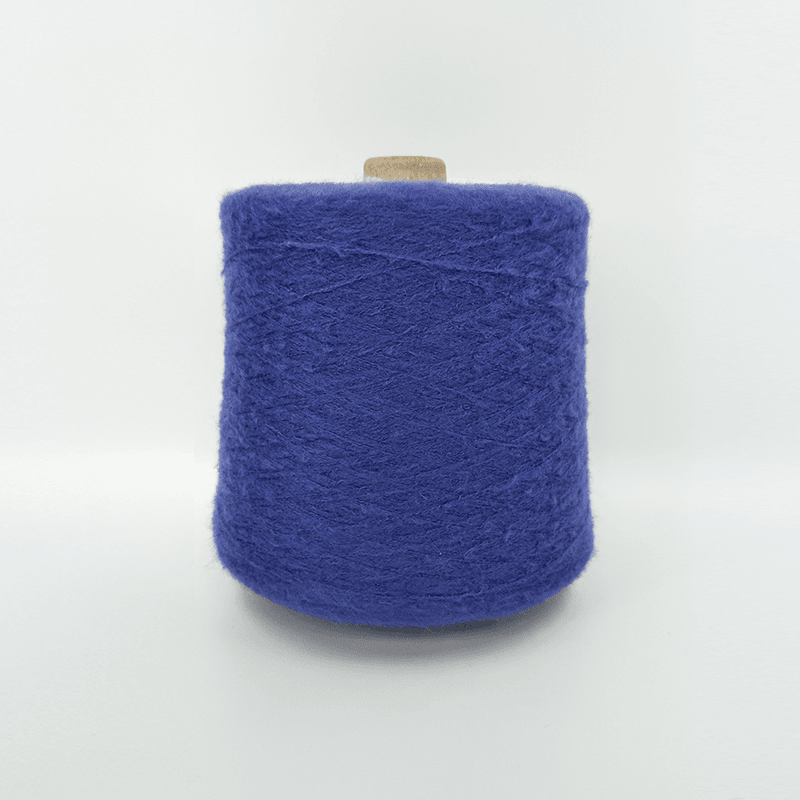
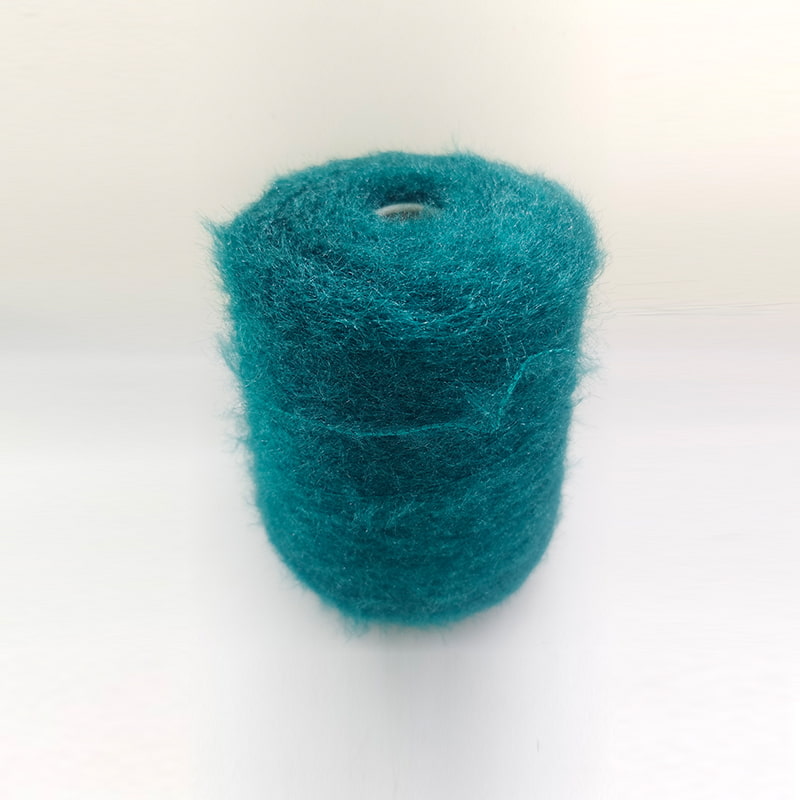
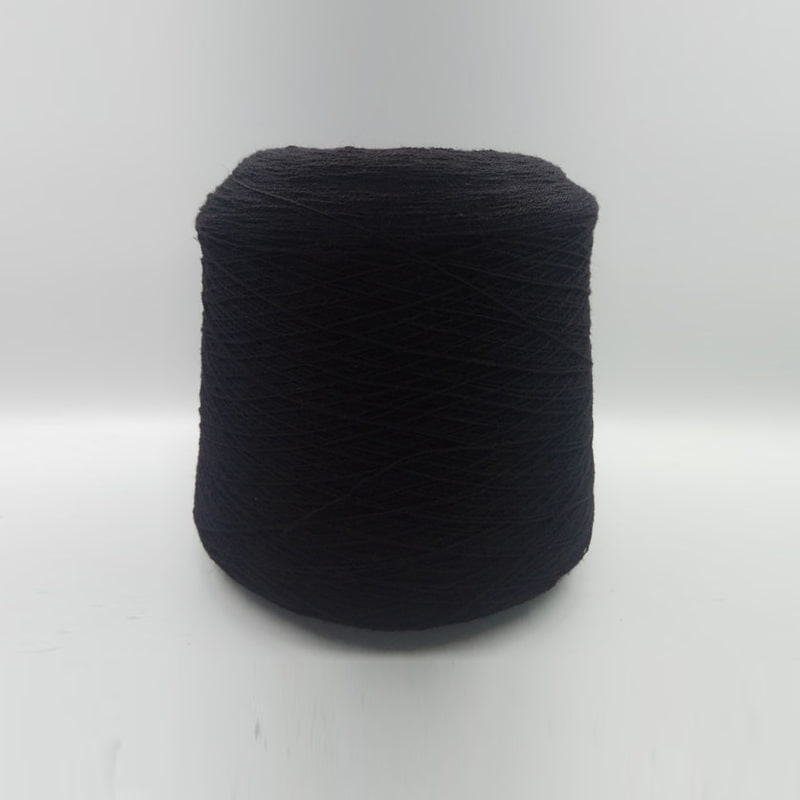
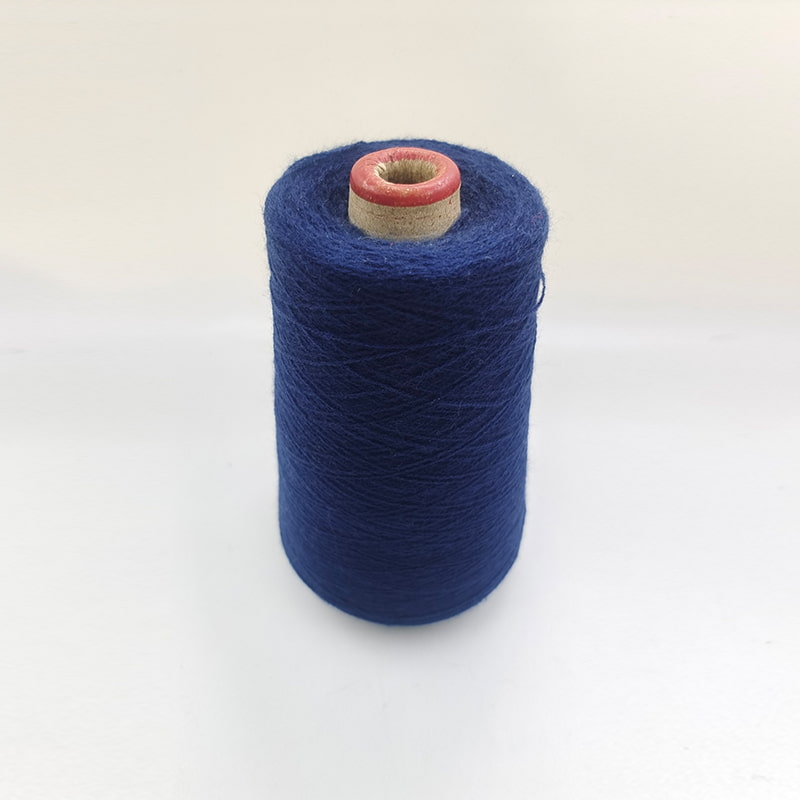
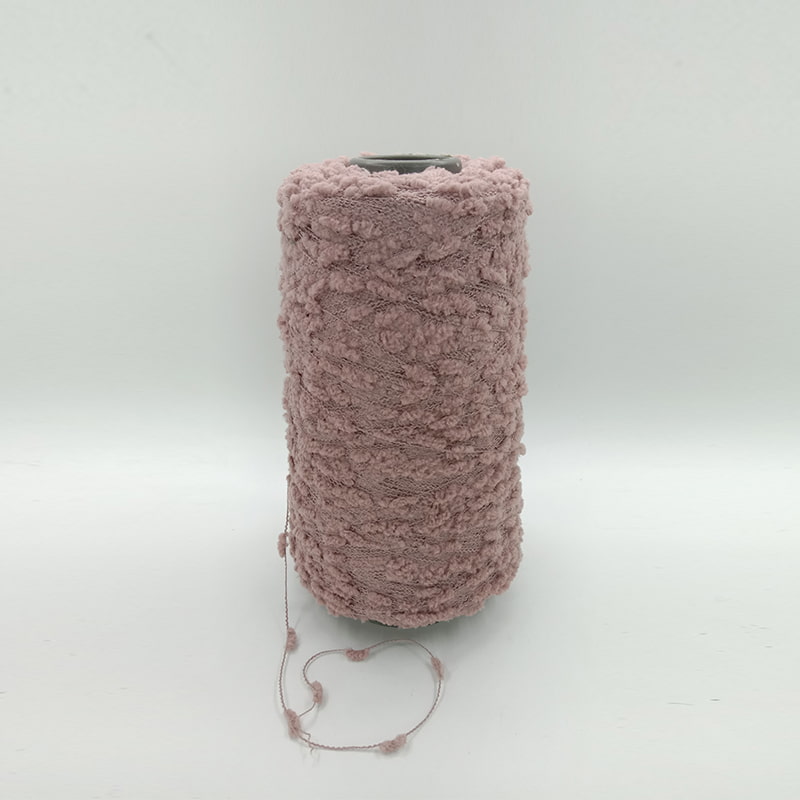
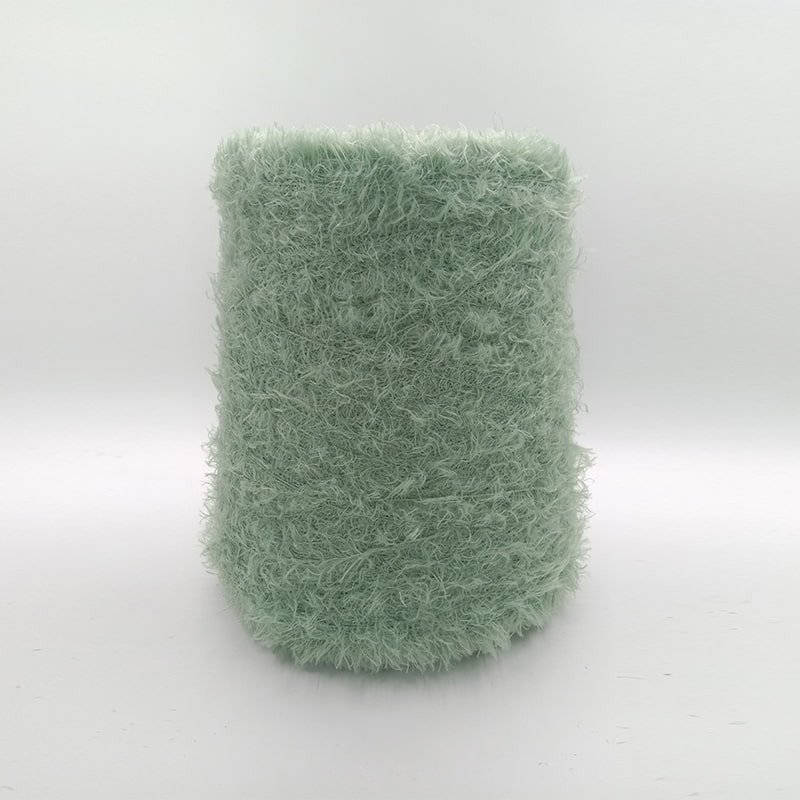
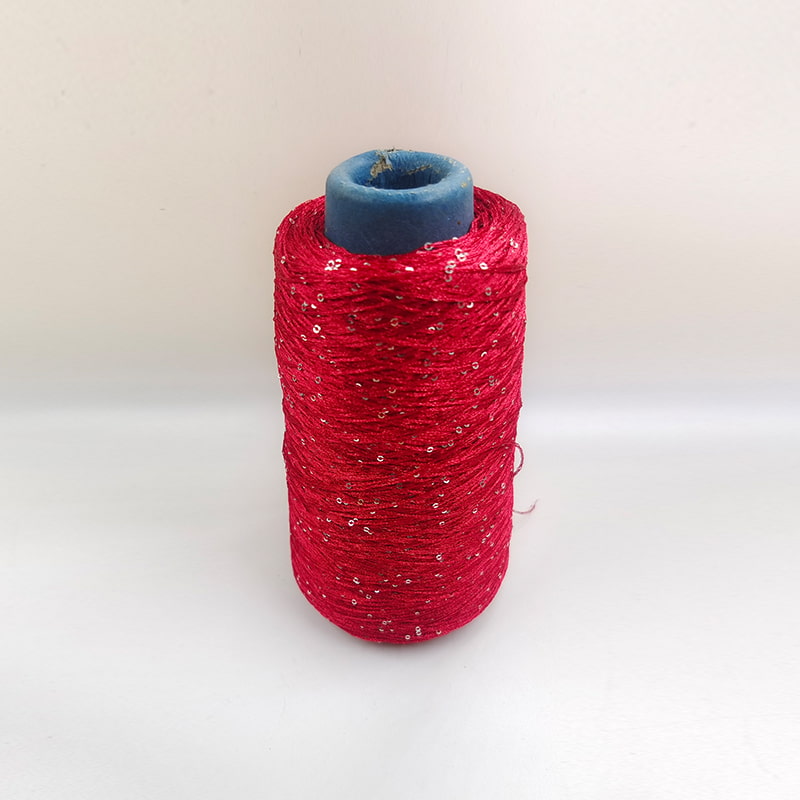


 Click to view
“The company adheres to the business philosophy of 'You Win, I Win' ”
Content
Acryl material is one of those phrases that means slightly different things depending on who is saying it. A painter hears "acryl" and pictures a fast-drying resin. Someone standing next to a spinning frame hears it and pictures acrylic fiber, the soft, wool-like synthetic that has quietly become one of the workhorses of the textile industry. In textile sourcing, acryl material nearly always refers to acrylic fiber and the yarns spun from it, and that is the side of the subject we can talk about from daily experience.
What Is Acryl Material?
Acryl material is the everyday short form of acrylic, a synthetic polymer built around polyacrylonitrile. Textile-grade acrylic fiber is generally defined by its acrylonitrile content, which sits at 85 percent or higher, with the rest made up of comonomers that improve dye uptake, softness and dimensional stability. Producing the fiber starts with polymerising acrylonitrile, dissolving the resulting polymer, extruding it through spinnerets into filaments, and then cutting those filaments into staple lengths that conventional spinning machinery can handle.
Because the same polymer family can be turned into fiber, resin, sheet and more, acryl material covers a broader family than textiles alone. The table below gives a quick overview of the main commercial forms.
| Form | What It Is | Where It Shows Up |
|---|---|---|
| Acrylic fiber | Short filaments of polyacrylonitrile, usually 85 percent or more acrylonitrile | Blended and spun into yarns for knitwear, blankets and home textiles |
| Acrylic yarn | Staple fiber spun on ring, open-end or vortex frames | Sweaters, scarves, socks, upholstery, outdoor fabric panels |
| Acrylic resin | Polymer carried in a liquid medium | Paints, coatings, adhesives and binders |
| Acrylic sheet | Cast or extruded polymethyl methacrylate, a related but distinct polymer | Signs, displays, light covers and protective screens |
That last row is worth a note: the rigid transparent sheet most people call "acrylic" is chemically a cousin of acrylic fiber rather than the same material, which is exactly why the word causes confusion when a fiber buyer and a plastics buyer use it in the same conversation.
From Fiber to Yarn: How Acryl Material Is Spun
Acrylic fiber rarely reaches a customer as loose bale fiber. Most of it is spun into yarn, and the spinning method shapes how the finished yarn feels and performs. Ring spinning produces a smooth, strong yarn with a classic hand and works well for finer counts. Open-end spinning is faster and gives a slightly more even, less hairy surface. Vortex spinning, which we run on Japanese Murata 870EX frames, uses a high-speed air current to wrap fibers around a core rather than a rotating spindle, reaching speeds up to 550 metres per minute with very consistent wrapping and low hairiness. Across these methods, acrylic is comfortably spinnable from roughly 10S to 60S.
Colour is the other big decision. In stock dyeing, also called colour spinning, the fiber is dyed before it is spun, so the shade runs all the way through the yarn instead of sitting on the surface. That approach gives better resistance to fading, crocking and abrasion than a surface-dyed equivalent, and it lets a mill produce solid shades, heather effects and multi-colour looks without a fabric-stage dye bath. Acrylic also blends easily with viscose, polyester, wool, cotton and animal fibers such as rabbit hair, which is how a single fiber base can produce very different hands.
What Acryl Material Feels Like and How It Performs
Anyone who handles yarn all day will tell you acrylic has a personality of its own. It is not wool, and pretending otherwise does the material a disservice, but a well-spun acrylic yarn gets closer to wool's softness and warmth than most people expect from a synthetic.
Strengths worth knowing
- Soft, wool-like hand, especially in bulked and brushed versions
- Warmth without weight, thanks to low thermal conductivity and trapped air in the yarn structure
- Good resistance to sunlight, mildew and most common insects, which matters for outdoor and storage-heavy products
- Moisture moves along the fiber and dries quickly, so garments do not stay damp
- Excellent colour fastness when the fiber is dyed before spinning
- Anti-pilling grades hold their surface appearance through repeated wear and washing
- Stable pricing compared with animal fibers, which helps with long-run production planning
If you want a deeper look at the fiber itself, our note on the characteristics of acrylic fiber goes into more detail.
 High Bulky Acrylic Yarn for Chunky KnitsA soft, bulky 100% acrylic yarn for warm winter accessories and quick, beginner-friendly projects in a range of colors.View Product →
Limits to plan around
- Static build-up in dry, heated environments, which softener or blending can reduce
- Pilling in low-twist yarns made from low-grade fiber
- Heat sensitivity: high iron temperatures or aggressive heat setting can flatten the bulk
- Lower absorbency than cotton, so it is a poor first choice for towels and washcloths
- Brushed and hairy versions can shed loose fiber in the first few washes
Common Forms of Acryl Material in the Yarn Trade
The fiber itself is only the starting point. What a designer actually buys is a specific yarn construction, and the differences between them are what make acrylic so versatile.
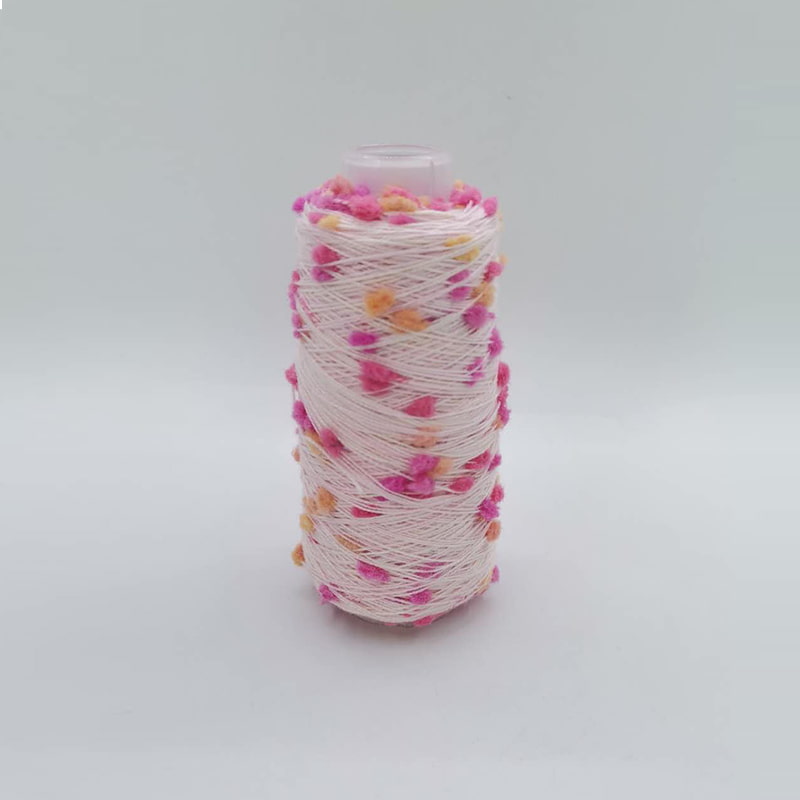
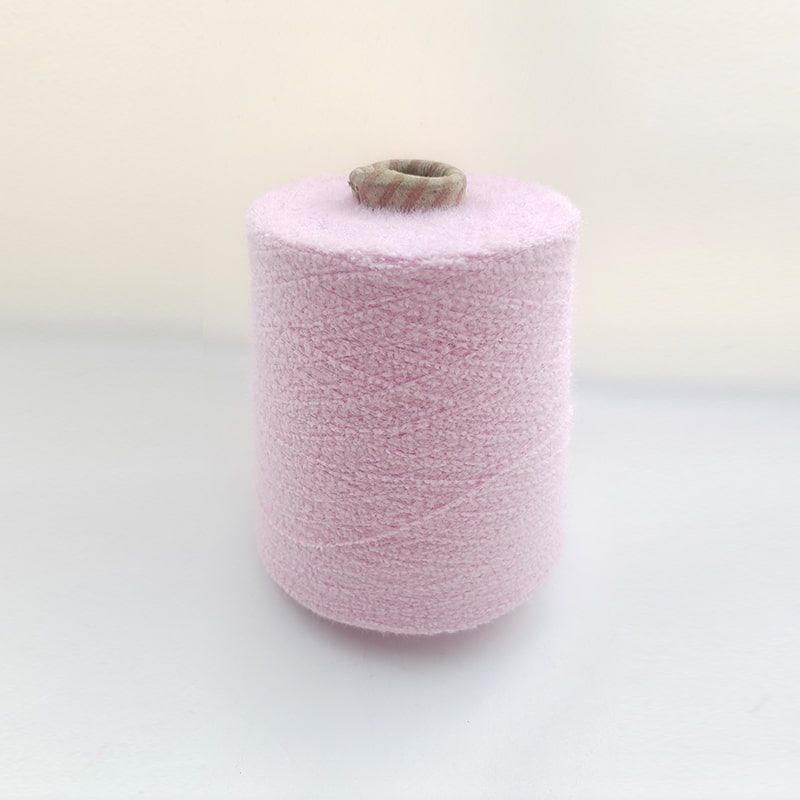
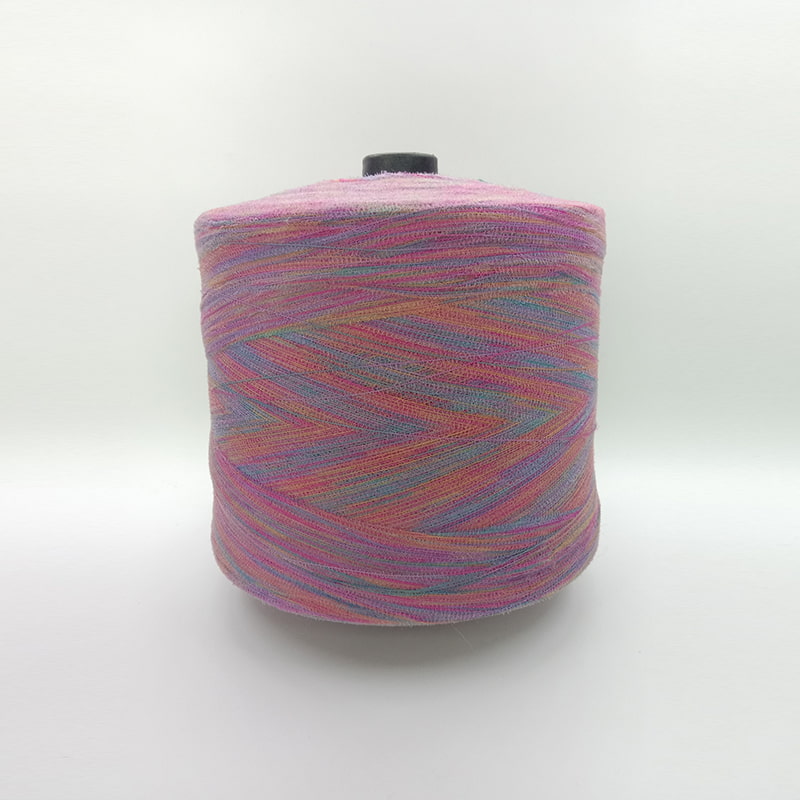
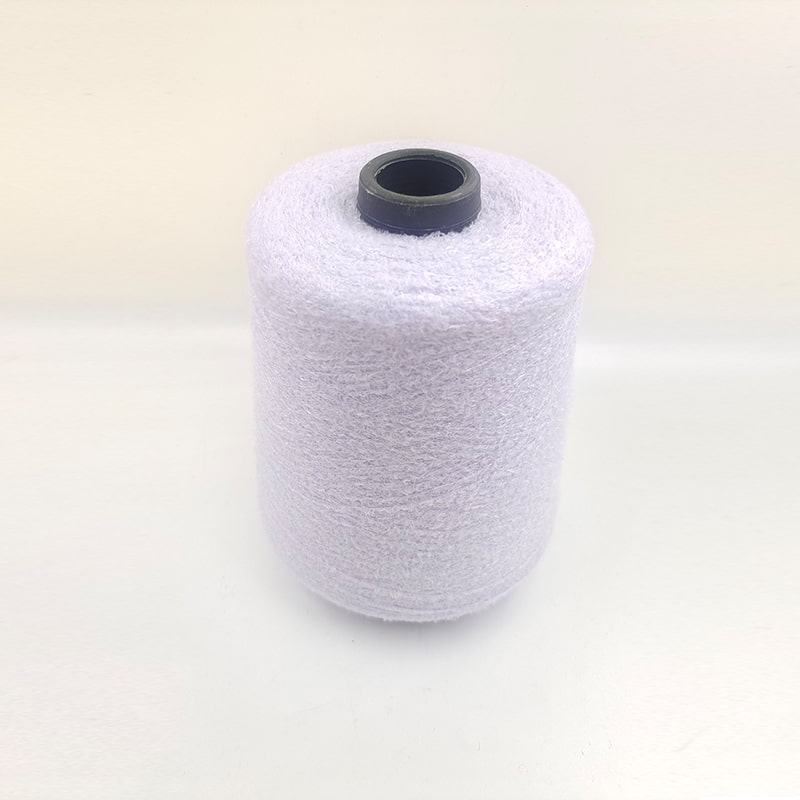
High-bulk acrylic is steamed and relaxed so the yarn keeps a lofty, airy volume that survives knitting and washing. Solid acrylic yarn is the plain, evenly coloured workhorse used wherever a clean surface and dependable shade matter more than texture. Brushed yarns are abraded after spinning to raise a soft halo, while core-spun versions wrap acrylic or another fiber around an elastic core to add stretch and recovery. Fancy yarns take the material further still: chenille, feather, sequin and nep effects all rely on acrylic's ability to hold a shape. Space-dyed and multi-colour yarns create tonal variation along the length, and metallic or shiny variants add a light-catching finish.
 Solid Acrylic Yarn for Knitwear and Home TextilesA smooth, single-color 100% acrylic yarn suited to dependable knitwear, blankets and accessories, with easy care and broad color choice.View Product →
Where Acryl Material Ends Up
Three broad application areas cover most of the acrylic yarn that leaves a spinning mill. Knitwear is the largest: sweaters, cardigans, scarves, hats and socks, where warmth, softness and colour variety matter. Home textiles come next, including blankets, throws, cushion covers and upholstery fabrics that need to resist fading and hold their shape over years of use. Outdoor products are the third, and this is where acrylic's weather resistance really earns its place, since it tolerates sunlight, damp and temperature swings better than many natural fibers.
We build dedicated outdoor yarns for exactly this reason, and they are woven into fabric panels on a fully Italian line installed for that purpose.
 Acrylic Outdoor Yarn for Weather-Exposed TextilesA UV-resistant 100% acrylic yarn for outdoor cushions, rugs and covers, offering strength, colorfastness and easy cleaning in exposed settings.View Product →
Caring for and Processing Acryl Material
Acrylic is forgiving, but a few habits keep finished goods looking new for longer.
- Wash in cool or lukewarm water on a gentle cycle, and avoid sudden temperature changes that can cause shrinkage.
- Tumble dry on low or lay flat to dry; high heat is what dulls the surface and collapses the bulk.
- Iron on a low setting with a pressing cloth if needed, and never press a brushed or hairy yarn directly.
- Skip chlorine bleach, which yellows the fiber over time.
- Use a light fabric softener if static is a problem in dry climates.
On the production side, the main points to watch are tension and heat. Running acrylic at low tension protects the loft, and any heat setting or finishing step should be tested on the actual yarn rather than assumed from a previous lot.
Choosing an Acryl Material Partner
When you are sourcing acryl material, the questions that save the most time later are simple ones. What is the actual fiber content and acrylonitrile percentage? Which spinning method was used, and what count range can be held consistently? Was the colour created by stock dyeing or applied afterwards? Is there an anti-pilling treatment? Can the mill supply shade-matching across repeat orders, and what are the minimums and lead times?
We have been spinning yarn in Jiangsu for over two decades, with a 12,000 square metre facility, imported automatic winding equipment covering 10S to 60S, vortex spinning frames, and a fabric panel line for outdoor work. If you would like the background on how we operate, our company profile is a good place to start, and we are always happy to talk through a specific construction rather than a generic catalogue.
Acryl material rewards a little understanding. Treat it as its own fiber rather than a wool substitute, choose the spinning method and colour route that match the end product, and it will deliver warmth, colour and durability at a cost that keeps a production plan stable season after season.
