

 English
 Español
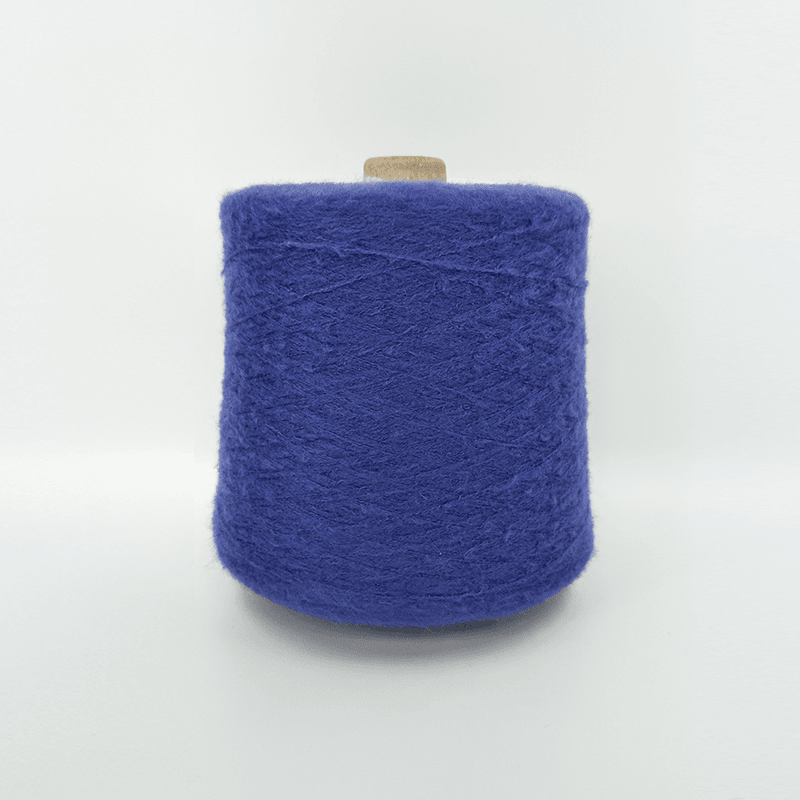
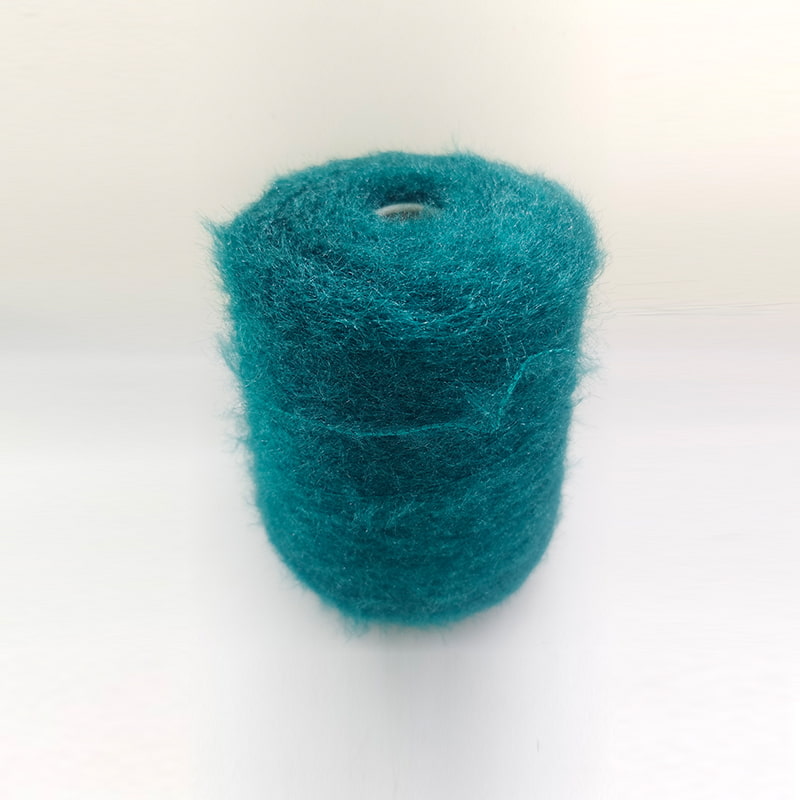
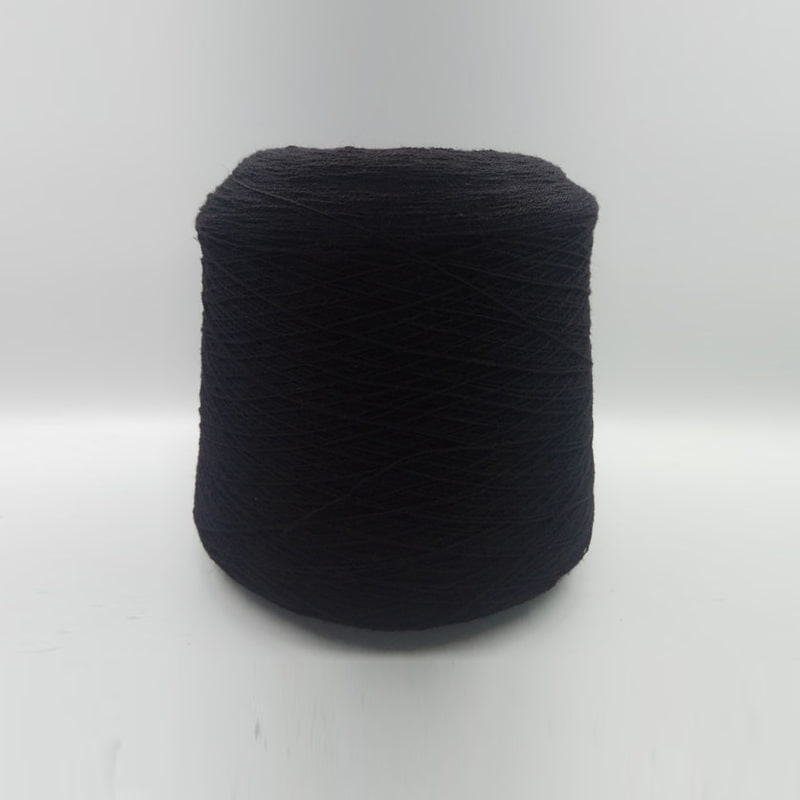
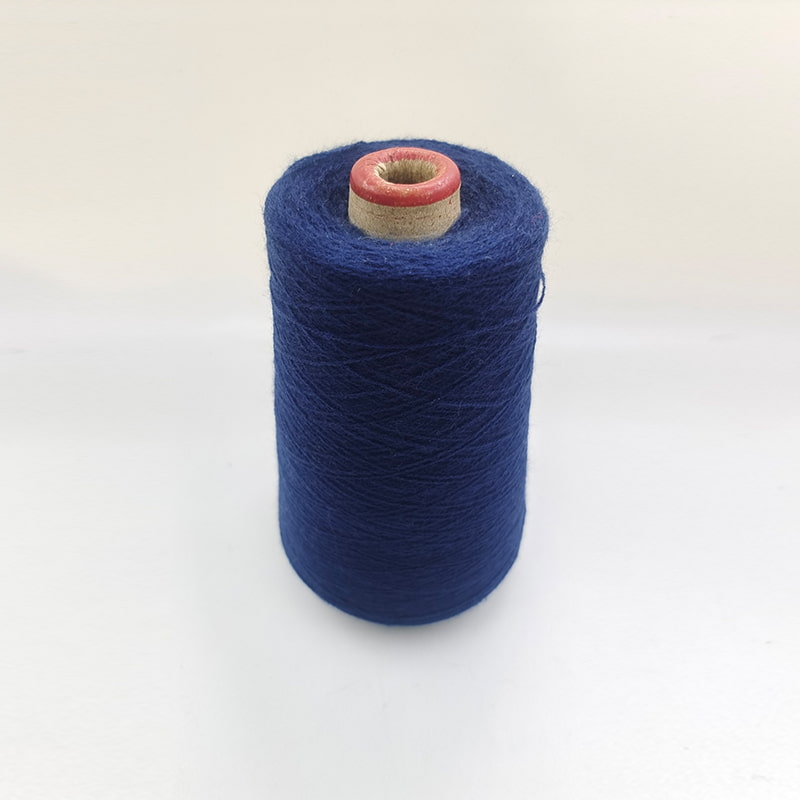


 Click to view
“The company adheres to the business philosophy of 'You Win, I Win' ”
Content
Acrylic fiber clothing has earned a steady place in modern wardrobes because it offers the warmth and softness people expect from wool, with easier care and dependable color. For clothing brands and garment makers, though, the useful questions are practical: which acrylic yarn suits a sweater, a fleece, or an outdoor layer; how does the fiber behave in knitting and weaving; and what should a buyer look for in a supply partner? This guide draws on long textile spinning experience to answer those questions without overselling the fiber.
What Is Acrylic Fiber Clothing?
Acrylic is a synthetic fiber made from polyacrylonitrile. In clothing, it is often described as an artificial wool because it can be engineered to feel soft, lofty and warm while remaining relatively light. The term acrylic fiber clothing does not refer to one fixed fabric. It covers 100% acrylic knitwear, acrylic-rich blends with cotton, viscose, polyester or wool, and fabrics where acrylic is used for warmth, color or texture.
That flexibility is useful, but it also means that two acrylic garments can behave quite differently. A brushed acrylic fleece, a fine-gauge acrylic sweater and an acrylic outdoor panel may share a fiber family, yet they use different yarn counts and spinning methods. The finished clothing reflects those choices as much as the raw fiber itself. For a closer look at the material, see our note on the characteristics of acrylic fiber.
Why Acrylic Works Well for Clothing
Acrylic’s strongest argument in clothing is its warmth-to-weight ratio. It can trap air in a soft, bulky structure without making a garment heavy. It also accepts color well, holds shade consistently when the fiber is dyed before spinning, and dries faster than many natural fibers. These traits make it a natural fit for knitwear, fleece, accessories and blended fabrics that need to look good after repeated wear.
| Property | What it means in clothing | Practical note |
|---|---|---|
| Warmth | Provides insulation with relatively low weight | Works well in sweaters, fleece and cold-weather accessories |
| Color | Takes dye readily and supports bright or deep shades | Color-spun yarns help maintain shade consistency across lots |
| Moisture | Absorbs little water and dries quickly | Useful for travel wear and easy-care garments |
| Shape | Can be bulked, brushed or blended for different hands | Blending and finishing affect softness, drape and resilience |
| Pilling | Can pill under abrasion, depending on fiber and yarn structure | Anti-pilling acrylic and tighter spinning reduce the risk |
| Heat | Needs moderate ironing and drying temperatures | Care labels should guide washing, drying and pressing |
For soft, warm knitwear, a high-bulk acrylic yarn is often the starting point. The bulking process gives the yarn a fuller hand and helps the finished garment feel generous without excessive weight.
 High Bulk Acrylic Knitting Yarn for Soft Winter KnitwearSoft, bulky 100% acrylic yarn in 19S/2 and 28S/2 counts, suited to warm sweaters, scarves and beginner-friendly winter projects.View Product →
From Fiber to Finished Clothing
Yarn spinning sets the foundation
Acrylic staple fiber is spun into yarn through processes that control count, twist, evenness and softness. Color-spun acrylic is dyed before spinning, which allows the color to become part of the fiber rather than a surface application. This approach is especially useful when a clothing collection needs repeatable shades across sweaters, trims and accessories. Other routes include core-spun acrylic for structure and stretch recovery, fancy acrylic yarns for texture, and blended yarns that balance acrylic with viscose, polyester, cotton or wool.
Knitting and weaving shape the fabric
In knitting, acrylic appears in flat-knit sweaters, circular-knit fleece, rib trims, scarves and hats. In weaving, it can be used in outdoor panels and fabric constructions where warmth, color and weather resistance matter. The same fiber can feel quite different depending on gauge, stitch structure and finishing. A fine-gauge acrylic blend may feel smooth and fluid, while a brushed or fancy yarn creates loft, texture and a more casual surface.
Dyeing and finishing refine the hand
Finishing can soften, compact, brush or stabilize an acrylic fabric. Anti-pilling treatments, controlled heat setting and careful brushing all influence how the garment looks and wears. Good finishing does not rescue a poor yarn, but it can bring a well-spun acrylic yarn closer to the intended hand feel. This is why yarn selection and garment development should happen together rather than as separate steps.
Where Acrylic Fiber Clothing Is Used
Acrylic’s character changes with yarn structure, so it serves several clothing categories rather than one narrow use:
- Knitwear such as sweaters, cardigans, vests and dresses, where softness and color matter.
- Fleece, loungewear and casual layers that need warmth with easy care.
- Accessories such as hats, scarves and gloves, where loft and quick drying are valuable.
- Outdoor clothing and fabric panels that benefit from acrylic’s weather resistance and color stability.
- Blended garments where acrylic adds warmth, bulk or color without dominating the hand feel.
Outdoor clothing is a good example of how a specific yarn can support a specific end use. An acrylic outdoor yarn can be developed for fabric panels that need to balance durability, color and protection from the elements.
 Acrylic Outdoor Yarn for Durable UV-Resistant Textiles100% acrylic 34NM/2 yarn for curtains, carpets and outdoor products, offering UV resistance, strength and wear resistance in exposed settings.View Product →
Choosing Acrylic Yarn for Clothing
Yarn choice should begin with the garment, not the fiber alone. A buyer developing a winter sweater has different priorities from a buyer developing a lightweight knit top or an outdoor shell. The following checks help narrow the options:
- End use and stitch structure: Match yarn count and twist to the knitting or weaving method, gauge and fabric weight.
- Hand feel: Decide whether the garment needs a lofty, brushed, smooth or textured surface.
- Performance: Consider pilling resistance, shape retention, stretch recovery and abrasion resistance.
- Color program: Solid, multicolor, space-dyed and metallic effects each require different planning.
- Testing: Confirm shrinkage, colorfastness, pilling and care performance before bulk production.
For clean, repeatable color programs, a solid acrylic yarn gives garment makers a reliable base for sweaters, trims and coordinated collections. It is often the sensible choice when the design calls for consistent shade rather than fancy texture.
 Solid Acrylic Knitting Yarn for Consistent Color Programs100% acrylic yarn in 34NM/2 and 50NM/2 counts, with soft feel, elasticity and mildew resistance for sweaters, trims and coordinated collections.View Product →
Care, Comfort and Quality Checks
Acrylic clothing is generally easy to live with, but it is not indestructible. Machine washing in cool water and low-heat drying help preserve shape and softness. High heat can distort the fiber, so pressing should be gentle and care labels should be followed. Static can be noticeable in dry conditions, especially in 100% acrylic fabrics, while blends with cotton or viscose often feel more balanced against the skin.
Pilling is the most common quality concern. It usually comes from loose fiber ends working their way to the surface under abrasion, not from a single defect. Tighter yarn structure, anti-pilling fiber, suitable stitch density and gentle finishing all help. A reliable supplier should be able to discuss yarn evenness, count tolerance, color consistency, pilling performance and recommended care conditions before a clothing program moves into production.
Sourcing Acrylic Clothing Materials with Confidence
Acrylic clothing programs work best when yarn and garment development are planned together. Buyers should ask about fiber composition, spinning method, count range, color options, dye-lot control, pilling performance, minimum order quantities and delivery schedules. These details matter more than a general fiber description because they determine how the final garment will feel, wear and sell.
At RHZ, our team brings more than two decades of textile experience and a focused yarn business built around practical development. Our 12,000-square-meter production base in Jiangsu uses fully imported automatic winding and vortex spinning equipment to produce color-spun yarns from 10S to 60S, with additional capacity for fancy yarns, core-spun yarns and outdoor fabric panels. We work with acrylic, polyester, viscose and animal-fiber blends, and we understand that a clothing buyer needs clear communication as much as consistent yarn. You can learn more about our textile manufacturing approach and how we support knitwear, woven and blended clothing projects.
Acrylic fiber clothing is not a compromise between comfort and practicality; it is a category with many expressions. From a soft high-bulk sweater to a color-rich solid knit or a durable outdoor panel, the outcome depends on the yarn, the fabric structure and the finishing behind it. When those choices are made with care, acrylic can deliver the warmth, color and easy maintenance that modern clothing markets expect.
