

 English
 Español


 Click to view
“The company adheres to the business philosophy of 'You Win, I Win' ”
Content
Acrylic fiber clothing has a way of showing up where comfort matters: the sweater you reach for on a cool morning, the fleece jacket by the door, the scarf that stays soft after a long winter. It is often described as a wool alternative, but that label sells it short. Acrylic is a manufactured fiber with its own personality—soft, warm, light, and remarkably easy to live with. For anyone sourcing yarn or building a clothing range, understanding how acrylic behaves, and how different acrylic yarns are made, makes it easier to choose the right material for the job.
What Is Acrylic Fiber Clothing?
Acrylic is made from acrylonitrile, a polymer that is spun into fiber. To be called acrylic in most textile standards, the fiber must contain at least 85% acrylonitrile units. The result is a synthetic fiber that feels soft against the skin, holds warmth well, and takes dye beautifully. It is not a single uniform product. Fiber fineness, crimp, bulk, and spinning method all change how the final yarn looks and feels. A lofty high-bulk acrylic yarn for a chunky sweater is a very different material from a fine, smooth acrylic yarn for a lightweight knit top.
That range matters because acrylic fiber clothing covers a wide field: pullovers, cardigans, fleece, scarves, hats, gloves, home socks, and outdoor layers. The fiber can be made to mimic wool's warmth without wool's price volatility or moth appeal. It can also be blended with cotton, wool, viscose, or polyester to add softness, strength, or drape. If you want a closer look at the fiber's core traits, this overview of acrylic fiber characteristics is a useful starting point.
Why Acrylic Fiber Works Well in Clothing
The first thing most people notice about acrylic is its warmth-to-weight ratio. A relatively light acrylic knit can feel comfortably warm because the fiber can be bulked and textured to trap air. That loft is why high-bulk acrylic yarn is a favorite for winter sweaters, blankets, and fleece-style fabrics. It also gives garments a soft, rounded hand feel that shoppers associate with coziness.
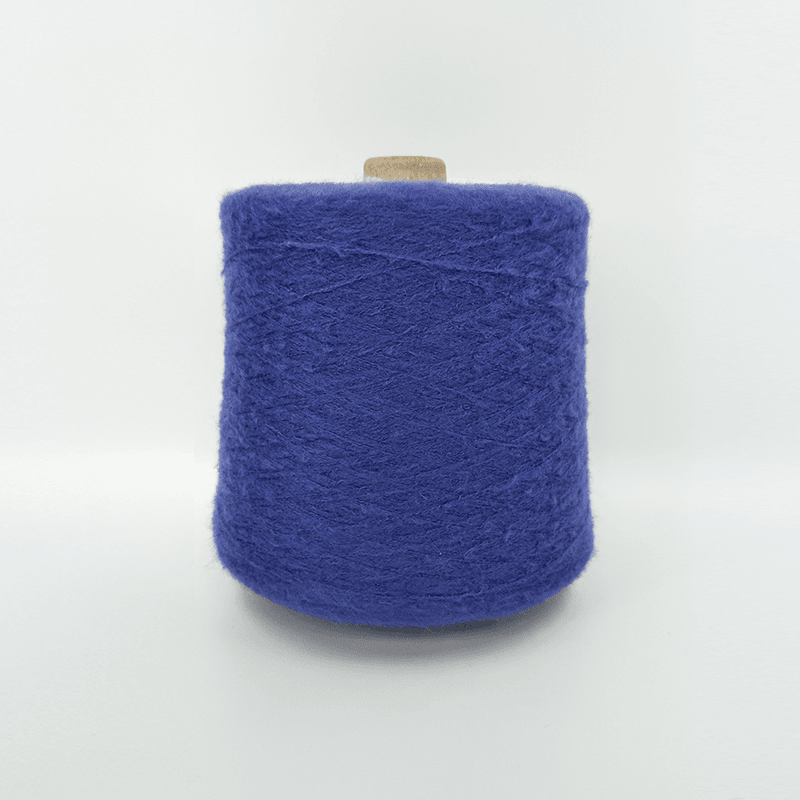
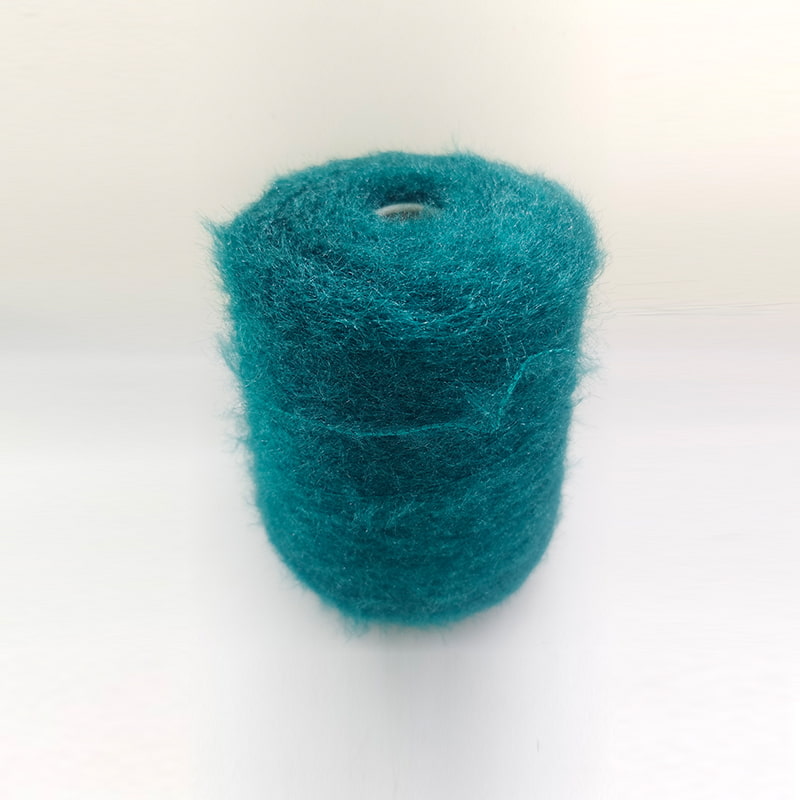
 High Bulky Acrylic Knitting YarnA 100% acrylic bulky yarn that traps air for warmth, comes in 19S/2 and 28S/2 counts, and suits soft winter knits.View Product →
Color is another strength. Acrylic accepts dyes readily, and color-spun acrylic—where fiber is dyed before spinning—can produce deep, consistent shades with a low risk of shade variation across a production run. The fiber also resists moths and mildew better than many natural fibers, and it dries quickly after washing. Those practical points matter to anyone who has pulled a favorite sweater from the wash only to find it heavy, misshapen, or dull.
Acrylic does have a few quirks. It can pill in high-friction areas, and it can build static in dry conditions. Those issues are not fixed by marketing language; they are managed through fiber choice, yarn structure, and finishing. A well-made acrylic knit with a tighter stitch and a balanced blend will usually outperform a loose, low-density fabric, even if both carry the same fiber name on the label.
Acrylic Compared with Common Clothing Fibers
| Fiber | Warmth | Moisture Behavior | Pilling Tendency | Easy Care | Typical Clothing |
|---|---|---|---|---|---|
| Acrylic | High for its weight | Quick drying; low absorbency | Moderate; improved with anti-pilling yarns | High | Sweaters, fleece, scarves, hats |
| Wool | High | Absorbs moisture well | Moderate | Moderate; needs careful washing | Knitwear, coats, socks |
| Cotton | Low to moderate | Absorbent but slow to dry | Low to moderate | High | T-shirts, denim, summer knits |
| Polyester | Moderate | Low absorbency; dries fast | Low to moderate | High | Sportswear, outerwear, blends |
From Yarn to Garment: How Acrylic Clothing Is Made
Acrylic clothing begins with acrylic yarn. The fiber can be spun on ring frames, vortex spinners, or other systems, and each route gives a different balance of softness, strength, and hairiness. Vortex spinning, for example, uses a high-speed air current to wrap fibers into a yarn. It is fast and efficient, and it produces a yarn with relatively low hairiness—useful when a cleaner surface and fewer fly fibers are wanted. Ring spinning, by contrast, tends to produce a more traditional hand feel and is often chosen for softer, loftier knits.
Once the yarn is ready, it may be knitted or woven. Knitted acrylic fabrics dominate clothing because knitting gives stretch, shape retention, and air pockets for warmth. Circular knits, flat knits, and jacquard structures can all use acrylic yarn. Woven acrylic appears more often in outdoor panels, linings, and structured accessories, where stability and abrasion resistance matter more than stretch.
Color consistency is a quiet but important part of the story. Solid acrylic yarn gives a clean, uniform base for garment dyeing, jacquard patterns, and trim matching. When a brand needs the same navy or ecru across multiple production lots, the yarn's color preparation and spinning consistency matter as much as the dye recipe.
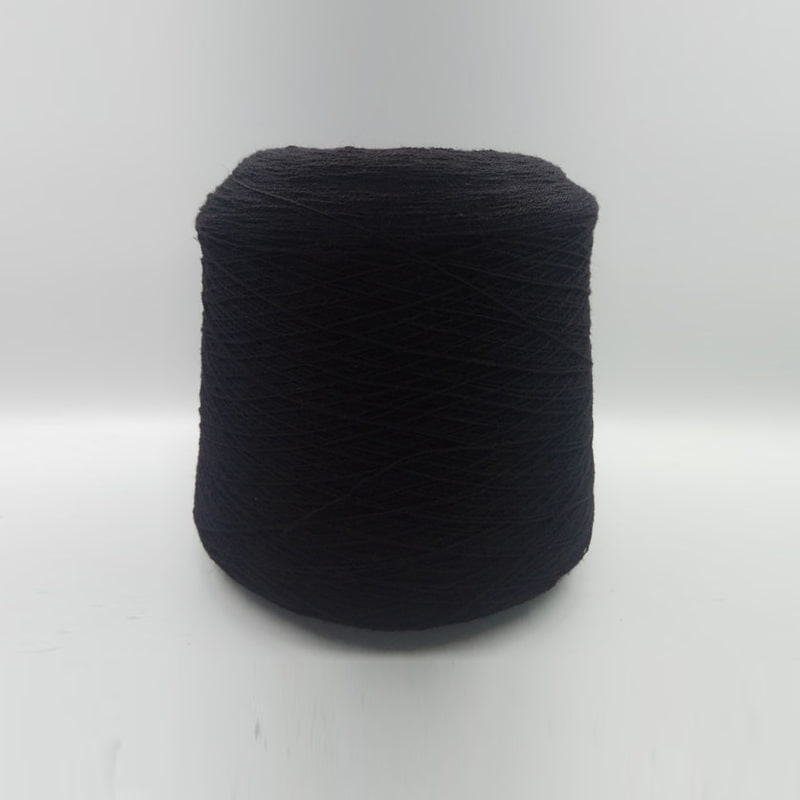
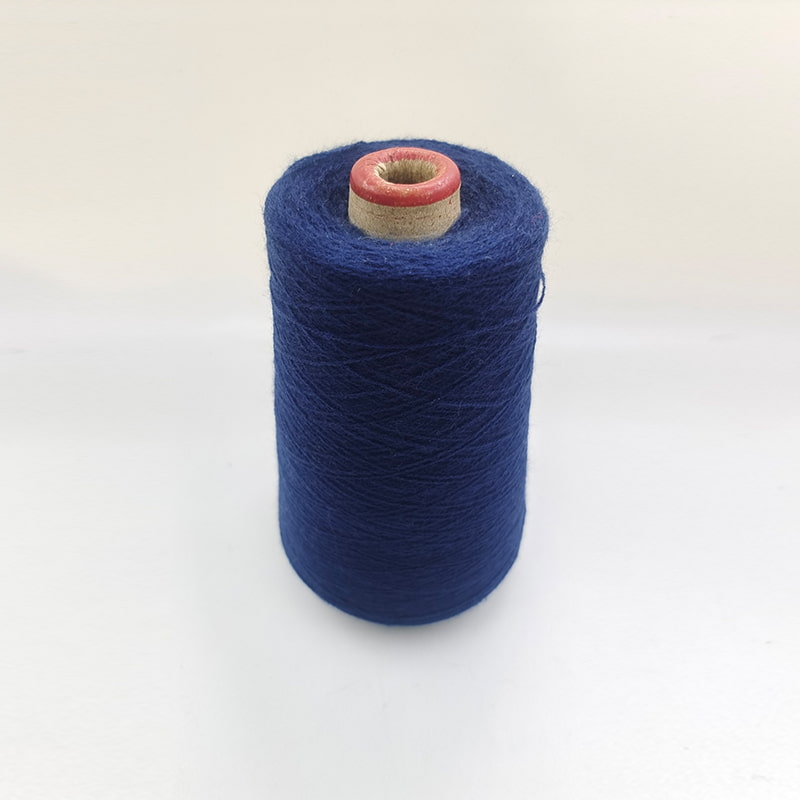
 Solid Acrylic Yarn for KnittingA 100% acrylic yarn in 34NM/2 and 50NM/2 counts, offering consistent color, softness, and weather resistance for knits and blends.View Product →
For outdoor clothing, acrylic is sometimes chosen for its weather resistance and color stability. Acrylic outdoor yarns can be used in fabrics that need to hold up to light, wind, and repeated use without becoming heavy. The fiber is not a replacement for every technical membrane or coating, but it can play a useful role in the outer face, lining, or trim of casual outdoor pieces.
Blends That Make Acrylic Clothing Better
Most acrylic fiber clothing is not 100% acrylic. Blending is where the fiber becomes more versatile. Acrylic-cotton blends soften the synthetic hand and add breathability, which is why they appear in lightweight sweaters and casual tops. Acrylic-wool blends bring warmth and loft while reducing cost and improving shape retention. Acrylic-polyester blends add strength and durability, and acrylic-viscose blends improve drape and moisture feel.
Blending also helps with pilling. Short fibers can work their way to the surface and form small balls, especially under the arms, at cuffs, and where a bag strap rubs. An anti-pilling acrylic yarn is engineered to reduce that effect by controlling fiber length, twist, and surface finish. It will not make a garment immortal, but it can keep a sweater looking neat for much longer.
 Anti-Pilling Acrylic Core Spun YarnA 48NM/2 knitting yarn with anti-pilling acrylic, PBT, viscose, and nylon, designed to reduce pilling while keeping a soft hand feel.View Product →
Core-spun acrylic yarns take a different approach. A core filament—often elastane or polyester—is wrapped with acrylic fibers, giving the yarn a combination of stretch, strength, and soft surface. That structure is useful in ribbed cuffs, waistbands, and close-fitting knits that need to recover their shape. For a fashion sweater, a simple high-bulk or solid acrylic may be enough. For a performance-minded piece, a core-spun or blended yarn often earns its place.
Caring for Acrylic Fiber Clothing
Acrylic is generally easy to care for, but it is not indestructible. Heat is the main enemy. Washing in cool or lukewarm water on a gentle cycle, using a mild detergent, helps preserve the fiber's softness and shape. Avoid bleach and harsh whiteners. Skip the tumble dryer or use only a low-heat, short cycle; high heat can relax the yarn and cause garments to stretch or lose their loft. Laying knits flat to dry is the safest habit.
Static can be reduced by avoiding over-drying and by using a gentle fabric conditioner if the care label allows. Pills should be removed with a fabric shaver or a small pair of scissors rather than pulled off, which can drag more fibers loose. Store folded rather than hung, especially for heavy sweaters, and give garments a day to rest between wears so the fibers can recover.
Quick Care Checklist
- Wash cold or lukewarm on a gentle cycle.
- Use mild detergent; avoid bleach and harsh additives.
- Do not wring or twist; press water out gently.
- Lay flat to dry and reshape while damp.
- Steam lightly instead of pressing with a hot iron.
- Remove pills gently; do not pull them.
Choosing Acrylic Clothing with Confidence
When you evaluate acrylic fiber clothing, look beyond the fiber content label. A 100% acrylic sweater can be soft and durable or thin and pilly, depending on the yarn. Ask about yarn type, spinning method, anti-pilling treatment, colorfastness, and the intended end use. A high-bulk yarn suits a chunky knit; a finer, smoother yarn suits a lightweight top; a core-spun yarn suits ribbed trims and stretch panels. The right choice is the one that matches the garment's job.
Experience in yarn production also shows up in consistency. At Suzhou RHZ Textile Technology, we have worked in textile manufacturing for more than two decades, with a focus on color-spun yarns and a product range that includes acrylic, polyester, core-spun, fancy, and weaving yarns. Our mill uses automatic winding equipment and vortex spinning technology, and we have added an Italian line for outdoor fabric panels. You can read more about our mill and approach if you are sourcing yarn for a clothing program.
Acrylic fiber clothing is not a compromise or a lesser substitute for wool. It is a practical, versatile material with its own strengths: warmth without weight, color that holds, easy washing, and a soft hand that works across many garment types. Used well—with the right yarn structure and a sensible blend—it can make clothing that feels good, looks good, and survives real life.
