

 English
 Español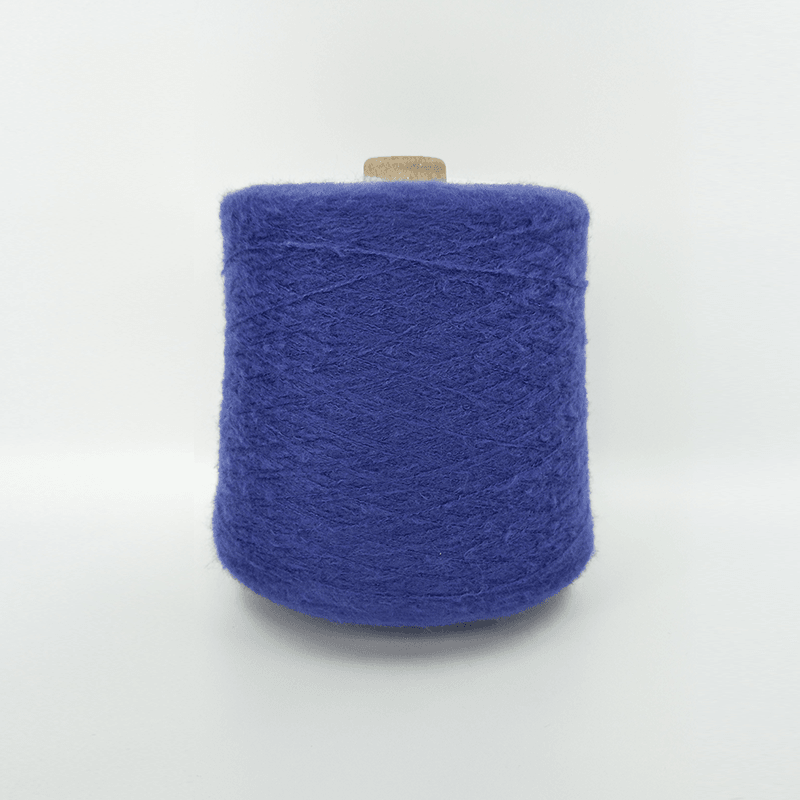
.jpg?imageView2/2/w/800/h/800/format/webp/q/75 "Viscose Core Spun Yarn")

 Click to view
“The company adheres to the business philosophy of 'You Win, I Win' ”
Content
- 1 What Is Acrylic Fiber Clothing?
- 2 Why Acrylic Fiber Works So Well in Everyday Clothing
- 3 How Acrylic Fiber Clothing Is Made
- 4 Acrylic Yarn Types We Spin for Clothing
- 5 Core-Spun Acrylic Yarns: Comfort With Structure
- 6 Where Acrylic Fiber Clothing Appears on the Shelf
- 7 Acrylic vs Wool vs Polyester
- 8 Caring for Acrylic Fiber Clothing
- 9 Choosing the Right Acrylic Yarn Partner
Acrylic fiber clothing has quietly become one of the most dependable categories in modern textiles. Walk through any winter market and you will find sweaters, hats, scarves and fleece jackets built around this synthetic fiber, often at prices that natural fibers cannot match. After more than twenty years in the yarn business, we have watched acrylic move from a simple wool substitute to a material that designers deliberately choose for its own strengths. This guide explains what acrylic fiber clothing actually is, how the yarn behind it is spun, where it performs best and how to keep it looking good season after season.
What Is Acrylic Fiber Clothing?
Acrylic fiber clothing is any garment or accessory made from fabric or knitwear produced with acrylic yarn. The fiber itself is synthetic, built from a polymer called acrylonitrile that is derived mainly from petroleum-based raw materials. By definition, an acrylic fiber contains at least 85 percent acrylonitrile by weight; blends with a lower share fall into the modacrylic family. Once polymerized, the material is spun into filaments, crimped, cut into staple lengths and then spun into yarn just like a natural fiber.
The result is a fiber that behaves a little like wool and a little like polyester, but with its own personality. Acrylic clothing is warm without being heavy, soft against the skin, resistant to moths and mildew, and quick to dry. It also takes dye exceptionally well, which is why acrylic knitwear is available in such vivid, saturated colors.
One small point of confusion is worth clearing up early. The acrylic used in picture frames, display cases and signage is a rigid plastic sheet. Textile acrylic is a completely different product with different molecular behavior, so the two should never be compared when you are specifying a garment.
Why Acrylic Fiber Works So Well in Everyday Clothing
Manufacturers return to acrylic year after year for a set of practical advantages that are hard to match at the same cost:
- Warmth without weight, thanks to the fiber's bulk and trapped air pockets.
- A soft, wool-like hand feel that suits knitwear and next-to-skin accessories.
- Outstanding dyeability, giving deep, even and lightfast colors.
- Good dimensional stability, so garments hold their shape after repeated washing.
- Resistance to moths, mildew and rot during storage.
- Easy care, with most items machine washable at low temperatures.
For brands building autumn and winter collections, that combination reduces cost, simplifies care labeling and keeps the end product comfortable.
How Acrylic Fiber Clothing Is Made
Production starts with polymerization, where acrylonitrile and comonomers are reacted into a resin. The resin is dissolved and extruded through spinnerets, then drawn, washed, crimped and cut into staple fiber. From that point, the fiber follows the same route as wool or cotton: carding, drawing, roving and spinning into yarn.
Coloration can happen at two very different stages. In piece dyeing, the finished fabric is dyed after knitting or weaving. In color spinning, which is the approach we specialize in, the fiber is dyed before it is spun. Color-spun yarn delivers stronger colorfastness, more consistent shade matching between production lots and a noticeably lower water footprint, because the yarn does not need to be dyed again. For anyone specifying acrylic fiber clothing in volume, that difference shows up both in quality and in the sustainability story.
Acrylic Yarn Types We Spin for Clothing
Not every acrylic garment needs the same yarn. Structure, bulk and finish determine how a knit drapes, how warm it feels and how long it survives in the wash. The table below summarizes the main constructions we produce and where each one tends to appear.
| Yarn type | Character | Typical clothing uses |
|---|---|---|
| High-bulky acrylic | Airy, lofty, warm | Sweaters, hats, scarves, blankets |
| Solid acrylic | Smooth with even color | Knit tops, socks, jersey |
| Anti-pilling core-spun acrylic | Soft hand, low fuzz | Sweatshirts, loungewear, sportswear |
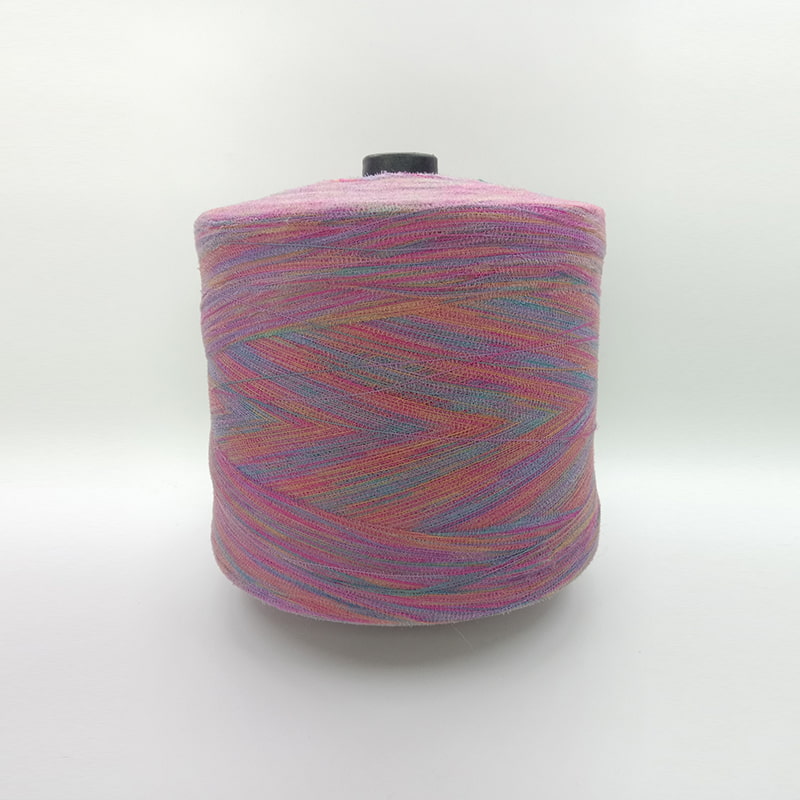
| Space-dyed and multicolor acrylic | Two-tone striped effect | Fashion knits, accessories |
| Metallic and shiny acrylic | Subtle sheen | Evening knits, trims |
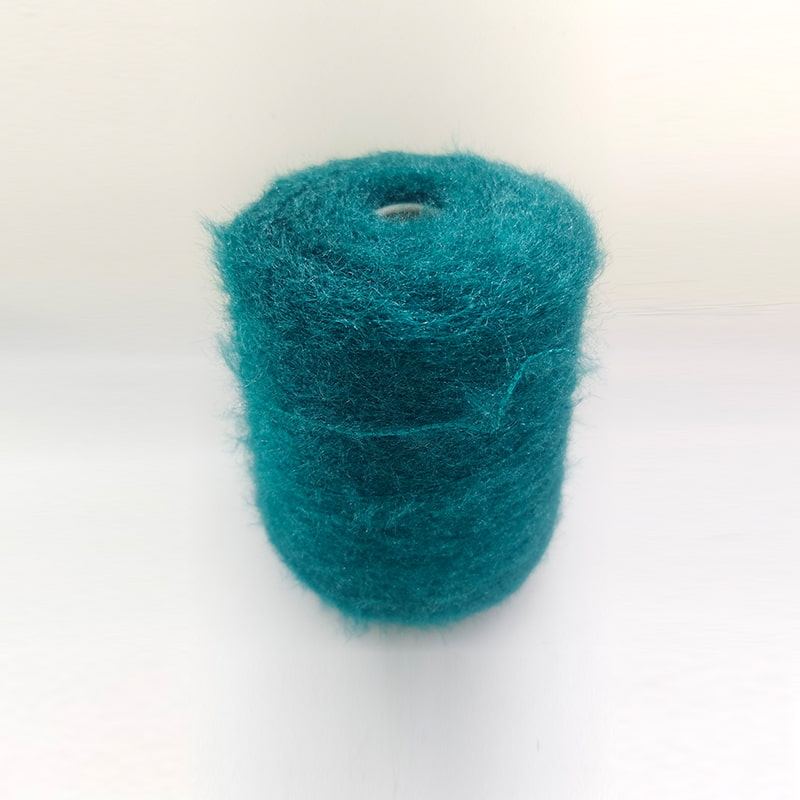
High-bulky acrylic remains the workhorse of winter knitwear. The bulking process opens up the yarn so that it traps more air, which is why a bulky acrylic sweater feels so much warmer than its weight suggests.
-2.jpg?imageView2/2/w/800/h/800/format/webp/q/75) High Bulky Acrylic Yarn for Warm Winter KnitwearA soft, bulky acrylic yarn made for autumn and winter fluffy shirts and warm knitwear, offering lightweight loft, easy dyeing and less hair loss for cold-weather projects.View Product →
High Bulky Acrylic Yarn for Warm Winter KnitwearA soft, bulky acrylic yarn made for autumn and winter fluffy shirts and warm knitwear, offering lightweight loft, easy dyeing and less hair loss for cold-weather projects.View Product →
At the other end of the range, solid acrylic yarn offers a clean, uniform surface for fine-gauge knits and accessories where stitch definition matters more than loft.
Core-Spun Acrylic Yarns: Comfort With Structure
Core-spun yarn wraps acrylic fibers around an elastic or filament core, so the finished knit stretches and recovers instead of sagging at the cuffs and hem. This construction has become a favorite for sweatshirts, joggers and casual tops where both softness and shape retention are required.
.jpg?imageView2/2/w/800/h/800/format/webp/q/75) Anti-Pilling Acrylic Core Spun Yarn for KnitwearCore-spun acrylic yarn with anti-pilling fiber, offering elasticity, softness and shape retention for sweatshirts, joggers, casual tops and other knitwear that needs to resist surface fuzz.View Product →
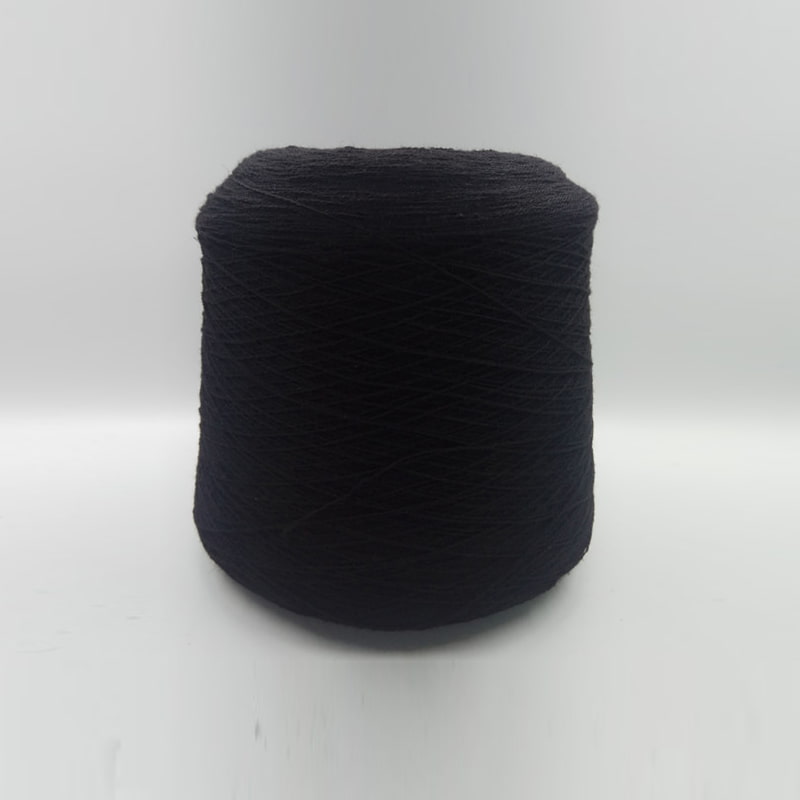
Anti-Pilling Acrylic Core Spun Yarn for KnitwearCore-spun acrylic yarn with anti-pilling fiber, offering elasticity, softness and shape retention for sweatshirts, joggers, casual tops and other knitwear that needs to resist surface fuzz.View Product →
Pilling is the usual complaint about acrylic garments, and it is largely a fiber and spinning issue rather than a fiber flaw. Anti-pilling acrylic core-spun yarn uses carefully selected fiber grades and a tighter spinning profile to reduce surface fuzz, which keeps the fabric looking smooth far longer.
Where Acrylic Fiber Clothing Appears on the Shelf
Knitwear and Winter Accessories
Sweaters, cardigans, ponchos, hats, gloves and scarves are the classic acrylic territory. The fiber's warmth-to-weight ratio and rich color range make it ideal for seasonal collections that need to look generous without costing a fortune.
Outdoor and Active Layers
Acrylic also performs well outdoors. It resists moisture-related degradation, dries quickly and holds color under sunlight, which is why fleece-style layers, linings and outdoor accessories frequently rely on it. Outdoor yarns are typically spun with a tougher twist and a tighter tolerance band.
.jpg?imageView2/2/w/800/h/800/format/webp/q/75) Acrylic Outdoor Yarn for Durable UV-Resistant TextilesAn acrylic yarn suited to outdoor and home textile applications, combining UV resistance, anti-static properties and high strength for fleece layers, linings, accessories, blankets and cushions.View Product →
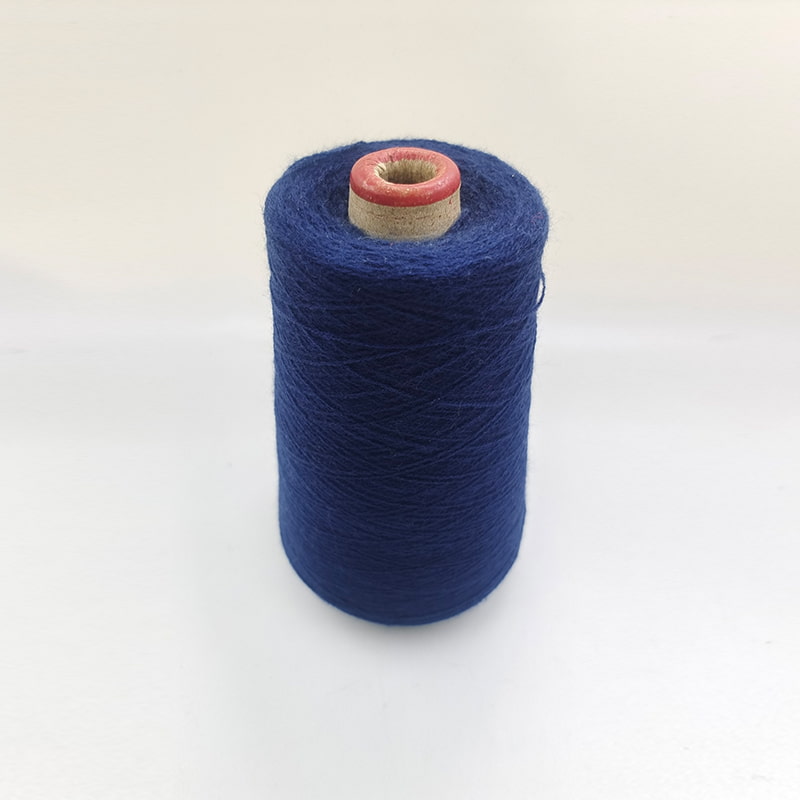
Acrylic Outdoor Yarn for Durable UV-Resistant TextilesAn acrylic yarn suited to outdoor and home textile applications, combining UV resistance, anti-static properties and high strength for fleece layers, linings, accessories, blankets and cushions.View Product →
Home Textiles and Blankets
While this article focuses on clothing, the same yarns feed a large home textile market. Blankets, throws and cushion covers use acrylic for its softness, warmth and easy washing, and many mills run the same yarn program across both apparel and furnishing lines.
Acrylic vs Wool vs Polyester
Buyers often weigh acrylic against the two fibers it is most frequently compared with. The short version is that acrylic offers much of wool's warmth and softness at a lower cost and with easier care, while polyester tends to be stronger and more durable but less wool-like in feel.
| Property | Acrylic | Wool | Polyester |
|---|---|---|---|
| Warmth | High, lightweight | High | Moderate |
| Hand feel | Soft, wool-like | Springy | Smooth |
| Dyeability | Excellent | Good | Good |
| Drying speed | Fast | Slow | Fast |
| Care | Machine washable | Often hand wash | Machine washable |
| Relative cost | Economical | Higher | Economical |
Caring for Acrylic Fiber Clothing
Acrylic is forgiving, but a few habits will noticeably extend the life of a garment:
- Turn garments inside out before washing to reduce surface abrasion.
- Use cool or lukewarm water and a gentle cycle with a mild detergent.
- Avoid chlorine bleach and fabric softeners, which can dull color and flatten bulk.
- Dry flat or on a low tumble setting; high heat can relax the knit and distort shape.
- Iron on a low setting with steam, or simply smooth by hand while damp.
- Store folded rather than hung, especially for bulky sweaters.
Choosing the Right Acrylic Yarn Partner
Good acrylic fiber clothing starts long before the cutting table. It starts with a spinner who understands fiber selection, blending ratios, twist levels and color consistency. As a specialized textile manufacturer based in Jiangsu, China, we have spent more than two decades building that expertise. Our color-spun yarn covers counts from 10S to 60S, produced on fully imported automatic winding equipment and on Japanese Murata 870EX vortex spinning machines that reach 550 meters per minute.
Our capacity extends beyond spinning. Servo-driven high-speed crochet machines run at 1,200 stitches per minute and produce complex three-dimensional textures, while a dedicated Italian production line handles fabric panels for outdoor products. To see how the fiber itself behaves under different conditions, our article on the characteristics of acrylic fiber is a useful companion to this guide, and you can read more about our factory and history on the about page.
Acrylic fiber clothing earns its place in the market for simple reasons: it is warm, soft, colorful, easy to wash and affordable to produce at scale. The fiber is not trying to imitate wool so much as offer a practical alternative with its own set of advantages, and when the yarn is spun well, the difference between a garment that lasts three washes and one that lasts three winters comes down to construction rather than chemistry. If you are developing a knitwear or outdoor program and want yarns specified around your end use, talk to us about counts, blends and color matching before the first sample is made.
