

 English
 Español
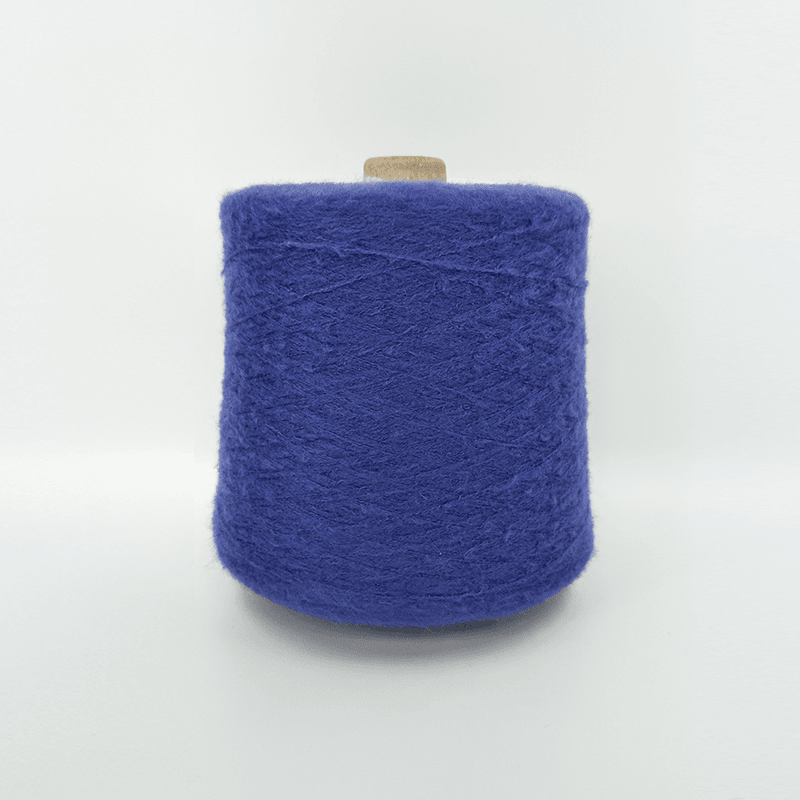
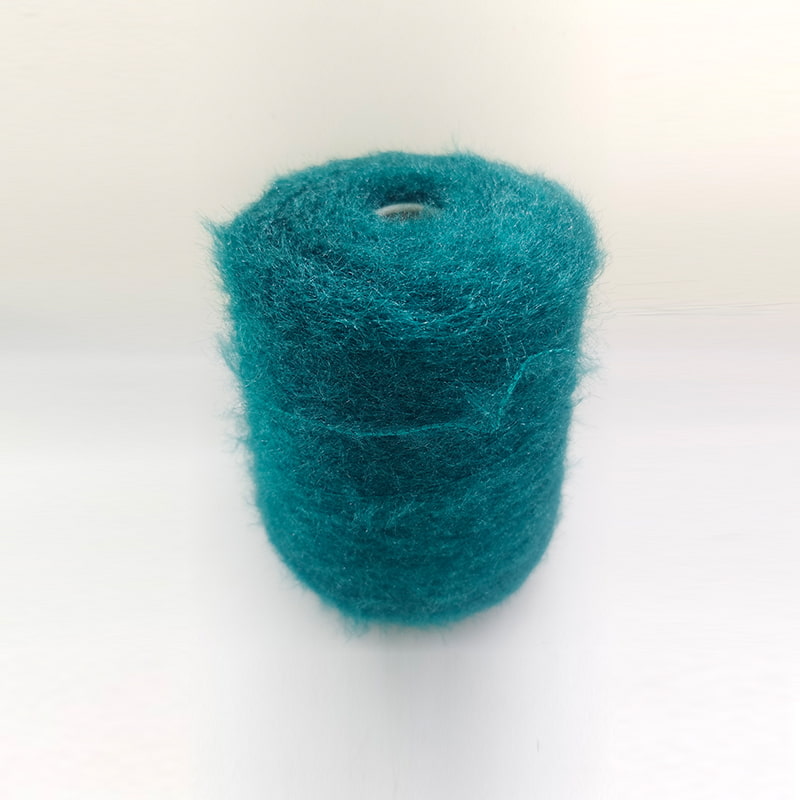
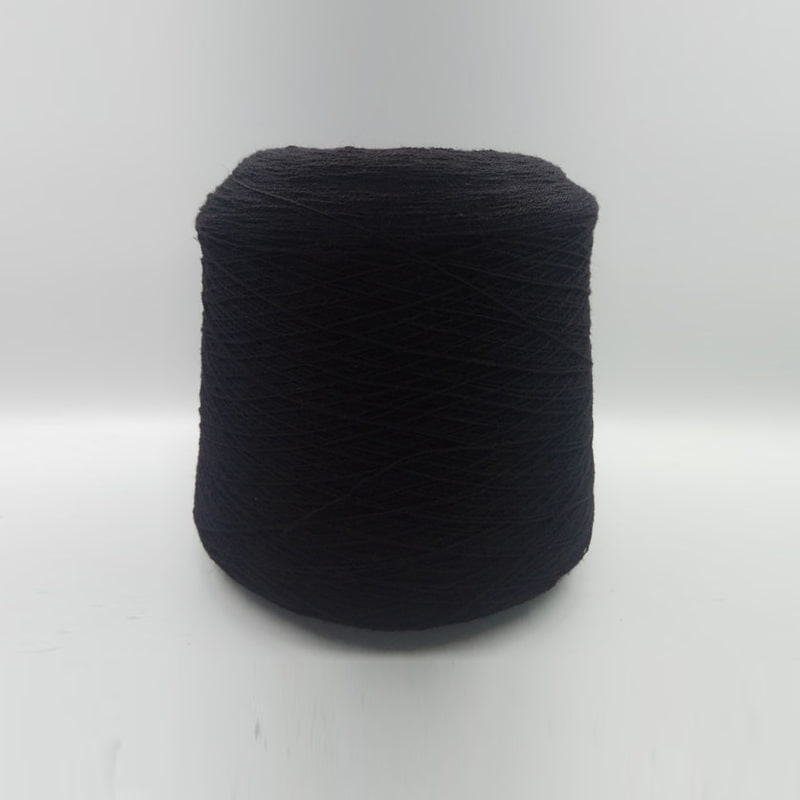
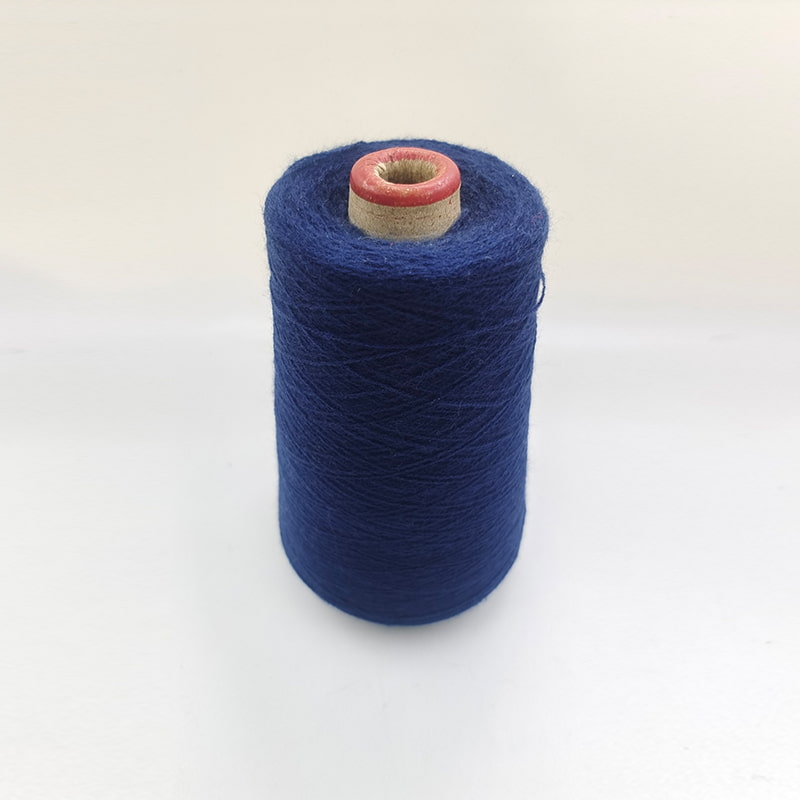


 Click to view
“The company adheres to the business philosophy of 'You Win, I Win' ”
Content
Acrylic material — often shortened to acryl in the yarn trade — is one of the most familiar synthetic fibers in modern textiles. It is warm without much weight, takes color beautifully, and keeps its shape through repeated wear. For anyone developing knitwear, home textiles, or outdoor pieces, knowing how acrylic behaves makes the difference between a fabric that feels right and one that only looks right. We have spun acrylic at RHZ Textile for more than a decade, and it remains one of the most flexible fibers on our floor.
What Is Acrylic Material?
In textile terms, acrylic material is a synthetic fiber made from at least 85 percent acrylonitrile, a polymer built from petroleum-derived chemicals. The long molecular chains give the fiber its strength, while the production process can be adjusted to create a soft, wool-like hand. That wool-like character is why acrylic first became popular: it offered warmth and bulk at a lower cost and with easier care than natural fleece.
Modern acrylic is far more refined than the early versions. Fiber producers can control shrinkage, pilling, luster, and dye uptake, and yarn makers can blend it with wool, viscose, cotton, or polyester to fine-tune the final fabric. If you would like a deeper look at the fiber itself, our note on the characteristics of acrylic fiber covers the basics in plain language.
How Acrylic Material Is Made
Acrylic fiber usually begins with polymerization. Acrylonitrile, sometimes with small amounts of other monomers, is reacted to form a polymer resin. That resin is dissolved in a solvent and spun into filament through either a wet or dry spinning process. The fresh filaments are then drawn to align their molecules, which improves strength, and they may be crimped to add bulk and a softer hand.
For staple fiber, the filament tow is cut into short lengths and baled. At this stage, color can be added in several ways. The fiber can be dyed after spinning, or the color can be introduced before or during spinning so that the shade runs through the fiber rather than sitting on its surface. This fiber-dyed route is close to what we do in color-spun yarn production: we dye the fiber first, then spin the yarn. It gives deep, even shades and avoids some of the shade variations that can appear in piece dyeing.
The Properties That Matter
Acrylic is not a single, fixed material. Its hand, bulk, and performance depend on how the fiber is spun, crimped, cut, and blended. The table below is a practical reference for the properties designers and mills ask about most often.
| Property | What it means | Practical benefit |
|---|---|---|
| Warmth | Traps air in a soft, lofty structure | Works well in sweaters, blankets, and fleece |
| Lightness | Low density for its bulk | Bulky fabrics without heavy weight |
| Color | Strong dye uptake and clear shade development | Bright, deep, and consistent colors |
| Moisture | Low absorbency and quick drying | Easy care, though static can build up |
| Durability | Good tensile strength and abrasion resistance | Suitable for daily-use knits and furnishings |
| Weather | Reasonable resistance to sunlight degradation | Useful in outdoor and technical fabrics |
Where Acrylic Material Is Used
Acrylic tends to appear wherever warmth, color, and easy care matter more than breathability. That covers a wider range of products than many people expect.
Apparel and knitwear
Sweaters, cardigans, scarves, hats, socks, and fleece linings all benefit from acrylic's soft bulk. It can mimic the hand of wool at a lower cost and is often blended with wool or viscose to improve drape and reduce price volatility.
Home textiles
Blankets, throws, cushions, curtains, and upholstery yarns use acrylic for its colorfastness and resistance to everyday abrasion. High-bulk acrylic is especially useful where a soft, full hand is needed without extra weight.
Outdoor and technical fabrics
Acrylic's weather resistance makes it a sensible choice for outdoor panels, awnings, marine covers, and performance fabrics. Our own Italian production line was added specifically for outdoor fabric panels, and acrylic outdoor yarn is one of the products we supply for that market.
Fancy and effect yarns
Chenille, feather yarn, imitation mink, and brushed yarns often rely on acrylic for loft and color. The fiber can be brushed, cut, or twisted to create texture that would be difficult to achieve with a smooth filament alone.
How Acrylic Compares With Other Fibers
No fiber is best at everything. Acrylic's value becomes clearer when it is placed beside the materials it most often replaces or blends with.
- Versus wool: Acrylic is lighter on cost and easier to machine wash, but wool is more breathable and naturally flame resistant. Acrylic also pills more readily in loose knits.
- Versus polyester: Both are synthetic, but acrylic has a softer, wool-like hand and better bulk. Polyester is stronger and more dimensionally stable in some industrial uses.
- Versus cotton: Cotton is more absorbent and breathable, which makes it better for hot, humid conditions. Acrylic dries faster and holds warmth more efficiently.
The practical answer is usually a blend. A touch of wool improves hand and breathability; viscose adds drape; polyester improves strength. The right recipe depends on the fabric, the machine, and the feel you want at the finished garment.
Choosing the Right Acrylic Yarn
For a mill or brand, the fiber name is only the starting point. Yarn count, bulk, twist, and color route all change how the final fabric behaves. We spin acrylic from 10S to 60S on imported automatic winding equipment, and the three routes below cover many of the requests we receive.
High-bulk acrylic for soft, warm knits
High-bulk acrylic is crimped and relaxed to create loft. It gives sweaters and blankets a full, soft hand without excessive weight, and it blends well with wool or viscose for a more premium touch.
 High-Bulk Acrylic Knitting Yarn for Soft Winter ProjectsA soft, bulky 100% acrylic yarn with loft for sweaters, blankets, scarves, and hats; quick to knit and easy to care for.View Product →
Solid acrylic for clear colors and consistent hand
Solid acrylic is a dependable base for knitwear, accessories, and home textiles where shade consistency matters. Because the color is built into the fiber before spinning, the yarn keeps a clean, even appearance through knitting and finishing.
 Solid Acrylic Yarn for Knitwear, Home Textiles, and AccessoriesA consistent solid-color 100% acrylic yarn with soft hand and good elasticity for sweaters, scarves, blankets, and home textiles.View Product →
Outdoor acrylic for weather-facing fabrics
Outdoor acrylic is designed for weaving and for fabrics that face sun, wind, and moisture. It is a natural fit for awnings, covers, and outdoor panels where color retention and strength matter.
 Acrylic Outdoor Yarn for Curtains, Rugs, and Patio TextilesA 100% acrylic outdoor yarn designed for curtains, carpets, cushions, and patio accessories, offering weather resistance and color retention.View Product →
Caring for Acrylic Material
Acrylic is easy to live with, but it does not like heat. Too much temperature can relax the crimp, shrink the fabric, or make the surface feel harsh. A few simple habits keep acrylic knits looking better for longer.
- Turn the garment inside out and wash on a cool, gentle cycle.
- Use a mild detergent and avoid chlorine bleach.
- Skip the high-heat dryer; dry flat or use a low tumble setting.
- If ironing is needed, use the lowest setting and press through a cloth.
- Rest knits between wears and remove pills gently with a fabric comb or shaver.
Static is common in dry conditions. A small amount of fabric conditioner or a light spray of water can help, though the effect is temporary.
A Balanced Word on Sustainability
Acrylic is made from fossil-based raw materials and is not biodegradable. It can also shed microfibers during washing, which is a real concern for wastewater systems. We do not think it helps anyone to call acrylic a green fiber when it is not.
What can be said is that acrylic's durability and colorfastness can extend a garment's useful life, and fiber-dyed production reduces the water and energy needed for later dyeing. Washing less often, using a microfiber filter bag, and designing for repair rather than disposal all make a measurable difference. For brands that need a warmer, lighter, easy-care material, acrylic can be part of a more considered product strategy rather than a disposable one.
Why Mills and Brands Work With Us
RHZ Textile has been in the textile business for more than 20 years, with a 12,000 square meter production base and a focus on color-spun yarns. Our equipment includes imported automatic winding, high-speed vortex spinning, and an Italian line for outdoor fabric panels. That combination lets us handle counts from 10S to 60S and move between soft knitwear yarns, fancy effects, and weather-facing outdoor yarns without losing consistency.
If you are weighing acrylic against a blend, or you need a sample that matches a specific hand and shade, our team is happy to talk through the options. You can learn more about our mill and how we approach yarn development.
Acrylic material is not a miracle fiber, and it does not need to be. It is warm, light, colorful, and practical, and it works best when its limits are understood. Choose the right count and bulk, blend it with intention, and care for it gently, and acrylic will do exactly what a good textile material should: feel good, wear well, and stay useful for years.
