

 English
 Español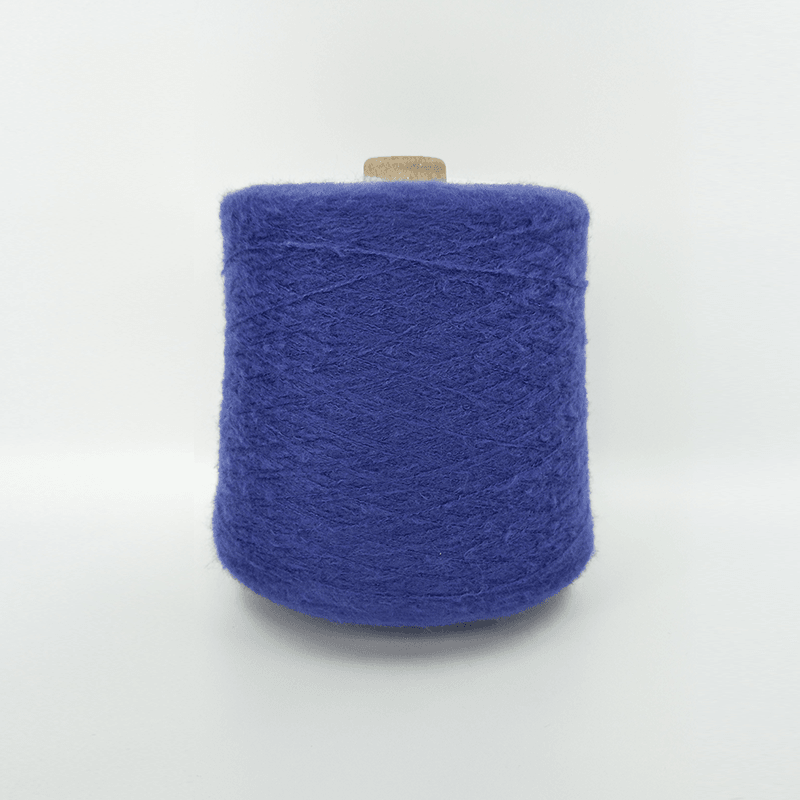
.jpg?imageView2/2/w/800/h/800/format/webp/q/75 "Viscose Core Spun Yarn")

 Click to view
“The company adheres to the business philosophy of 'You Win, I Win' ”
Content
An acrylic label on a yarn cone does not mean the fibre comes from a sheep, a cotton field, or a bamboo forest. Acrylic yarn is made of synthetic polymer chains built from acrylonitrile, a compound derived largely from petroleum and natural gas. That fact shapes everything else: its price, its washing behaviour, its insulation, and its limitations under heat. Understanding what acrylic yarn is made of helps you choose the right product for a garment, a blanket, or an outdoor fabric panel. Before weighing the options, a brief introduction of acrylic yarn can help orient buyers who are new to synthetic fibres.
What Is Acrylic Yarn Made Of?
Acrylic fibre belongs to the polyacrylonitrile family. In commercial production, at least 85% of the polymer is acrylonitrile, which has the chemical structure CH2=CHCN. The remaining portion may include common monomers such as vinyl acetate or methyl acrylate. These co-monomers make the fibre easier to dye and slightly softer to the touch. The resulting polymer has an average molecular weight around 100,000, meaning each chain contains roughly 1,900 monomer units. Because acrylonitrile is produced from propylene and ammonia, both of which come from fossil-fuel feedstocks, acrylic yarn is classified as a fully synthetic fibre.
This petrochemical origin explains several practical facts. Acrylic yarn is generally less expensive than natural fibres, its cost follows oil prices, and it does not have the same biodegradability as wool or cotton. At the same time, the precise chemistry can be adjusted during manufacturing. Producers can alter the co-monomer ratio, fibre denier, crimp level, and finishing agents to create different grades of acrylic yarn, from soft hand-knitting yarns to more technical weaving yarns.
How Acrylic Yarn Is Manufactured
Manufacturing starts with polymerisation. Acrylonitrile monomers are linked into long polyacrylonitrile chains inside a reaction vessel. The polymer is then dissolved in a solvent and pumped through a spinneret, which is a metal plate with many small holes. As the solution exits the spinneret, it is either wet-spun into a chemical bath or dry-spun into warm air. Both methods solidify the thin filaments. After spinning, the fibre is washed, stretched, crimped, and cut into staple lengths suitable for yarn production.
Those staple fibres are later spun into yarn on ring spinning, rotor spinning, or vortex spinning systems. The spinning method affects hairiness, strength, and production speed. Vortex spinning, for example, produces cleaner yarn with fewer protruding fibres, which advantages high-speed knitting and weaving. The choice of equipment matters for consistency as well as for cost.
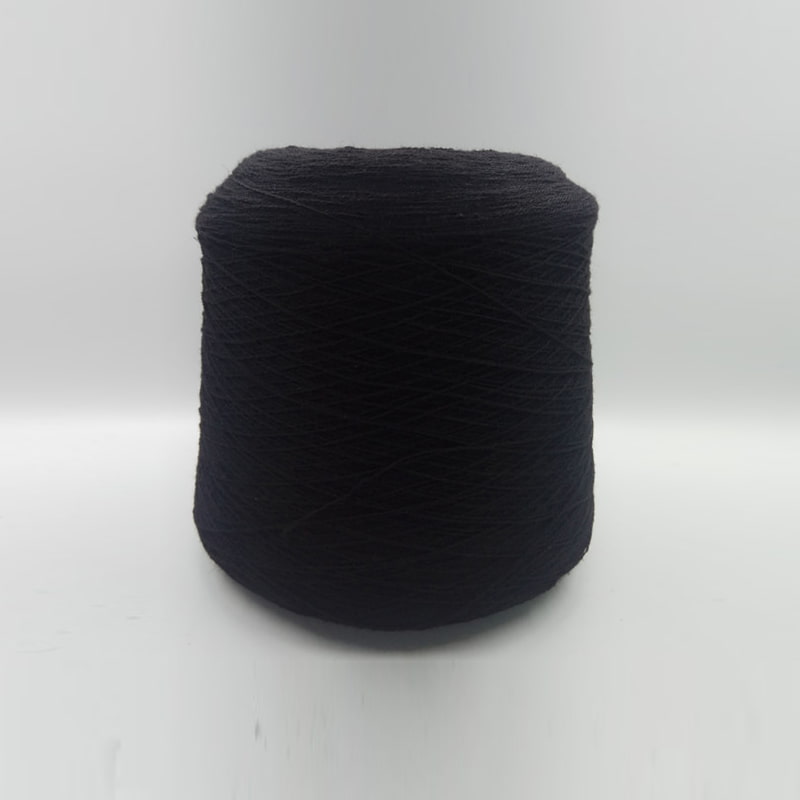
Colour can be introduced at different stages. Fibre can be dyed before spinning, which is often called stock dyeing or top dyeing, and this gives deeper penetration and better colour fastness. Yarn can also be dyed after spinning in package or hank form. Buyers who need uniform colour across a production run should ask how the lot was dyed. For a dependable all-purpose option, RHZ's solid acrylic yarn is manufactured with controlled colour and consistent twist for knitted or woven goods.
.jpg?imageView2/2/w/800/h/800/format/webp/q/75) Custom Solid Acrylic Yarn Suppliers,FactorySuzhou RHZ Textile Technology Co., Ltd. is China Custom Solid Acrylic Yarn Suppliers,Factory,Solid acrylic fiber is calledView Product →
Custom Solid Acrylic Yarn Suppliers,FactorySuzhou RHZ Textile Technology Co., Ltd. is China Custom Solid Acrylic Yarn Suppliers,Factory,Solid acrylic fiber is calledView Product →Key Properties of Acrylic Yarn
Once you know the raw material, the performance follows logically. Acrylic yarn is warm without the weight of wool, dries quickly, and resists moths. Because it absorbs little water, knitted items tend to hold their shape during washing. The main trade-offs are lower breathability than cotton, a tendency to build static electricity, and a risk of melting if exposed to high heat. Lower-quality acrylic may also pill at friction points, so anti-pilling finishing is an important specification.
- Warmth: light and lofty, with good insulation for sweaters and blankets.
- Easy care: machine washable, quick drying, and generally wrinkle-resistant.
- Colour: accepts dye well and tends to keep colour after repeated washing.
- Pests: moth larvae do not feed on synthetic polymer fibres.
- Breathability: lower than plant-based fibres, so less suitable for very hot climates.
- Heat: melts at high temperature; do not use a hot iron on acrylic yarn.
- Pilling: depends on fibre length, twist, and anti-pill treatment.
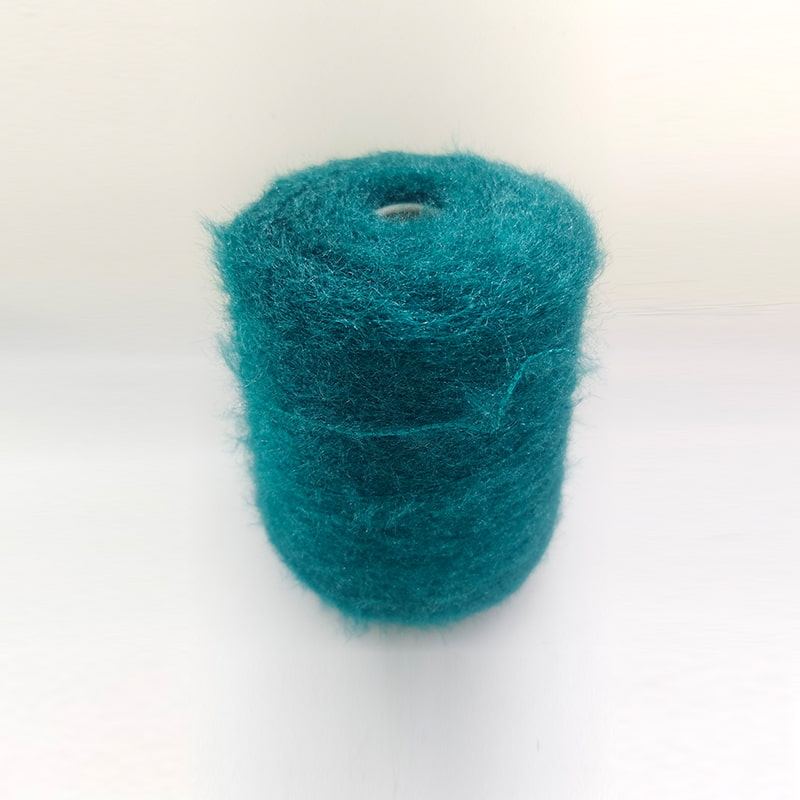
For knitted outerwear and accessories, high-bulky acrylic yarn adds volume while keeping weight low. The bulk is created by crimping and air-entangling the fibres, so the yarn feels fuller without requiring extra material.
-2.jpg?imageView2/2/w/800/h/800/format/webp/q/75) Custom High Bulky Acrylic Yarn Suppliers,FactorySuzhou RHZ Textile Technology Co., Ltd. is China Custom High Bulky Acrylic Yarn Suppliers,Factory,High Bulky Acrylic Yarn is produced by...View Product →
Custom High Bulky Acrylic Yarn Suppliers,FactorySuzhou RHZ Textile Technology Co., Ltd. is China Custom High Bulky Acrylic Yarn Suppliers,Factory,High Bulky Acrylic Yarn is produced by...View Product →Acrylic Yarn vs. Wool and Cotton: A Quick Reference
Acrylic is often compared with wool because it mimics wool's warmth, and with cotton because both can be used for everyday garments. The table below gives a practical comparison for textile buyers.
| Property | Acrylic | Wool | Cotton |
|---|---|---|---|
| Source | Synthetic polymer from petroleum | Animal fibre | Plant fibre |
| Warmth | Good and lightweight | Excellent | Low to moderate |
| Care | Machine washable | Often requires gentle washing | Machine washable |
| Breathability | Low | Good | Excellent |
| Moisture management | Low absorbency | Good at managing moisture | High absorbency |
| Environmental impact | Fossil-fuel based, microplastic risk | Biodegradable but land intensive | Biodegradable but water intensive |
These differences explain why many commercial knitted items use acrylic: it is affordable, colourfast, and consistent from lot to lot. The trade-off appears in summer garments, where cotton's breathability is preferred, or in premium knitwear, where wool's moisture management is valued.
Where Acrylic Yarn Is Used
Acrylic yarn's combination of softness, colour stability, and wash-and-wear performance makes it a default choice for many textile products. Because it resists moisture, mildew, and insect damage, it also works in applications that would quickly wear down natural fibres.
- Knitwear, including sweaters, cardigans, scarves, and children's clothing.
- Home textiles, such as blankets, throws, cushion covers, and upholstery fabrics.
- Craft yarns for crochet, hand knitting, and machine knitting.
- Outdoor fabrics and woven panels, where acrylic offers better resistance to moisture and UV than many natural alternatives.
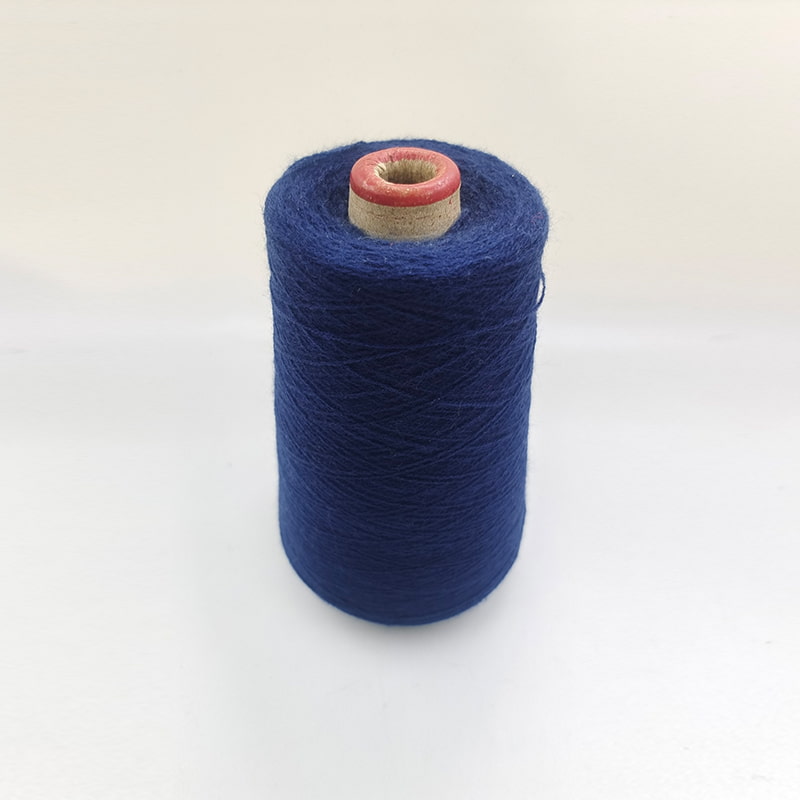
Outdoor use requires careful specification. Standard acrylic can degrade under prolonged sun exposure, so a weaving yarn with tight twist and UV stabilisers is safer. RHZ's acrylic outdoor yarn is an example of a yarn engineered for that niche, with a construction aimed at stability in demanding fabric panels.
.jpg?imageView2/2/w/800/h/800/format/webp/q/75) Custom Acrylic Outdoor Yarn Suppliers,FactorySuzhou RHZ Textile Technology Co., Ltd. is China Custom Acrylic Outdoor Yarn Suppliers,Factory,Acrylic fabric is a type of fabric made f...View Product →
Custom Acrylic Outdoor Yarn Suppliers,FactorySuzhou RHZ Textile Technology Co., Ltd. is China Custom Acrylic Outdoor Yarn Suppliers,Factory,Acrylic fabric is a type of fabric made f...View Product →How to Choose Acrylic Yarn from a Supplier
For a textile mill, buying acrylic yarn is not only a matter of picking a colour. Yarn count, twist level, finish, and dye-lot consistency all affect how the fabric behaves on a knitting machine or loom. Suppliers usually state yarn count in the Ne system, and a range of Ne 10 to Ne 60 covers most apparel applications. Lower counts are thicker; higher counts are finer and require more precise spinning.
- Yarn count: choose the count that matches the target fabric weight and end use.
- Twist level: higher twist gives crisper stitch definition, while lower twist gives a softer hand.
- Tenacity: strong, even yarn reduces breaks during high-speed processing.
- Pilling control: specify anti-pilling acrylic for garments that face friction.
- Colour fastness: ask for washing and light fastness results, not just a shade card.
- Production capacity: a plant with modern spinning and winding equipment is better positioned to deliver uniform cones on schedule.
Environmental requirements are becoming more important as well. Buyers increasingly ask about microfibre shedding, finishing chemistry, and compliance with frameworks such as OEKO-TEX or REACH. A capable supplier should be able to explain how its acrylic yarn is dyed, what additives are used, and what the product will release during washing.
A supplier that controls both spinning and dyeing can respond faster to production issues. Suzhou RHZ Textile Technology has more than ten years of yarn industry experience and operates automatic winding and vortex spinning equipment, which supports stable quality for larger orders.
Acrylic yarn is made of polyacrylonitrile, but the finished product is the result of polymerisation, spinning, and careful quality control. For most buyers, the practical question is not simply whether acrylic is natural or synthetic. It is whether the specific yarn delivers the hand feel, durability, and colour performance that the final product requires. By matching the right acrylic grade to the application, you can get the benefits of a synthetic fibre without guessing about its limits.
