

 English
 Español
.jpg?imageView2/2/w/800/h/800/format/webp/q/75 "Viscose Core Spun Yarn")

 Click to view
“The company adheres to the business philosophy of 'You Win, I Win' ”
Content
- 1 Polyester and Cotton Start From Completely Different Origins
- 2 How Each Fiber Feels Against the Skin
- 3 Breathability and Moisture Behavior
- 4 Durability and Long-Term Wear
- 5 Environmental Impact and Sustainability Considerations
- 6 Cost and Practical Value for Everyday Use
- 7 Choosing Between Polyester and Cotton for Specific Uses
Polyester and Cotton Start From Completely Different Origins
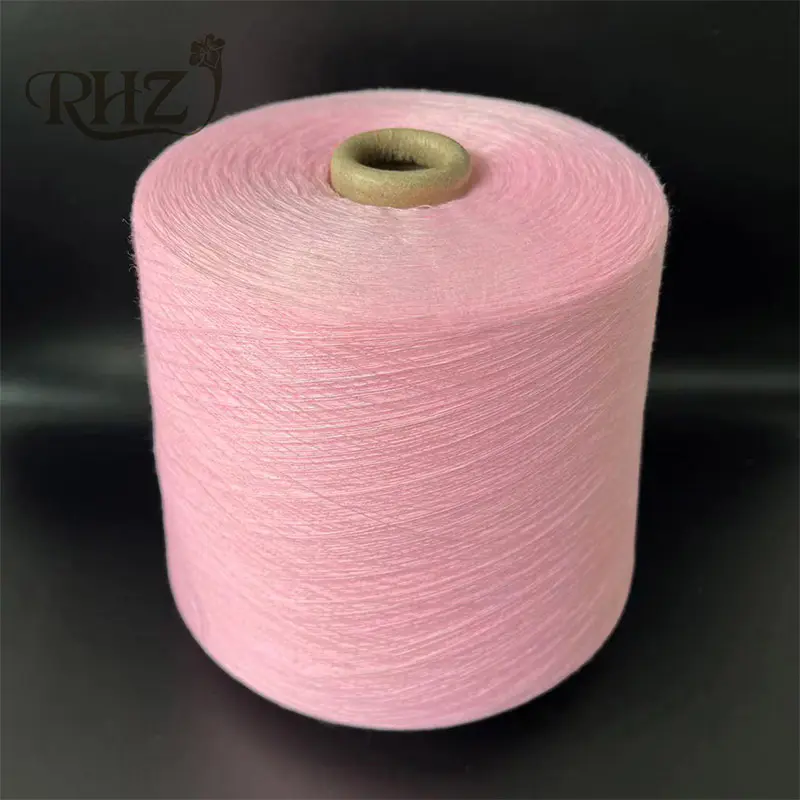
Understanding the difference between polyester and cotton begins with where each fiber actually comes from, because that single factor explains almost every other difference in performance, feel, and cost. Cotton is a natural fiber harvested from the seed pods of the cotton plant, meaning its properties are shaped entirely by agriculture, climate, and the plant's own cellulose structure. Polyester, by contrast, is a synthetic fiber manufactured through a chemical process that converts petroleum-based materials into long polymer strands, one of which is polyester yarn used widely in weaving and knitting. Because polyester is engineered rather than grown, manufacturers can control its thickness, strength, and finish with far more precision than is possible with a natural fiber. This foundational difference is why cotton fabric tends to vary slightly from batch to batch, while polyester fabric remains highly consistent from one production run to the next.
How Each Fiber Feels Against the Skin
Texture is often the first thing people notice when comparing the two materials, and the difference is rooted in the physical structure of the fibers themselves. Cotton fibers are soft, slightly irregular, and breathable due to their natural composition of cellulose, which allows air to pass through the fabric easily. This is why cotton is often described as feeling cool and gentle against the skin, especially in warm weather. Polyester fibers are smoother and more uniform because they are extruded through tiny machine holes during manufacturing, giving the fabric a slightly slicker, sometimes shinier surface. Many modern polyester fabrics are brushed or blended specifically to soften this texture, but on their own, most people can still tell the difference by touch alone.
Why Texture Differences Matter for Everyday Comfort
For people with sensitive skin, cotton is generally considered the gentler option since it lacks the static cling and slight stiffness sometimes associated with synthetic fibers. However, polyester yarn has improved significantly in recent years, with finer denier counts producing softer, almost silk-like fabrics that rival cotton in comfort while retaining polyester's durability advantages.
Breathability and Moisture Behavior
One of the most practical differences between these two fibers is how they handle moisture and airflow, which directly affects comfort during physical activity or hot weather.
| Property | Cotton | Polyester |
| Breathability | High, allows air to pass through easily | Lower, unless woven with an open structure |
| Moisture absorption | Absorbs sweat, can feel damp | Repels moisture, dries faster on the surface |
| Drying time | Slower to dry once wet | Fast drying due to low absorbency |
| Feel when sweating | Can feel heavy and damp | Feels drier but may trap heat |
Cotton absorbs a significant amount of moisture relative to its weight, which is part of why it feels comfortable in mild conditions but can feel heavy and damp during intense sweating. Polyester does not absorb moisture the same way; instead, it tends to move moisture along the surface of the fabric, which is why polyester yarn is frequently chosen for activewear designed to wick sweat away from the body. This is also why many sportswear brands blend polyester with small amounts of spandex rather than using cotton, since quick drying matters more than absorbency during exercise.
Durability and Long-Term Wear
Durability is an area where the difference between the two fibers becomes very noticeable over time, particularly with repeated washing and daily use.
Cotton's Natural Wear Pattern
Cotton fibers weaken gradually with repeated washing and drying, especially under high heat, which is why cotton garments often become thinner or slightly see-through after years of use. Cotton is also more prone to shrinking, particularly if not pre-treated, and can lose shape around stretched areas like necklines and cuffs.
Polyester's Structural Strength
Polyester fibers are inherently strong and resistant to stretching, shrinking, and wrinkling, which is why polyester yarn is often used in products that need to hold their shape over long periods, such as upholstery, outdoor gear, and uniforms. Polyester also resists mildew and does not weaken significantly when exposed to moisture, making it a practical choice for humid climates or frequently washed items.
Environmental Impact and Sustainability Considerations
Sustainability is an increasingly important factor when comparing these two fibers, and each comes with distinct environmental tradeoffs rather than a clear winner.
| Factor | Cotton | Polyester |
| Raw material source | Renewable plant crop | Petroleum-based, non-renewable |
| Water usage in production | High, especially for irrigation | Lower during fiber production |
| Biodegradability | Biodegrades naturally over time | Does not biodegrade easily |
| Microplastic shedding | None | Sheds microplastics when washed |
| Recyclability | Can be recycled into lower-grade textiles | Can be recycled into new polyester yarn |
Cotton farming requires large amounts of water and land, and conventional cotton production often relies on pesticides unless it is certified organic. Polyester avoids these agricultural demands but is derived from fossil fuels and does not break down naturally in landfills for a very long time. One advantage on the polyester side is that recycled polyester yarn, often made from plastic bottles, has become widely available and offers a way to reduce reliance on virgin petroleum, giving environmentally conscious buyers a middle-ground option.
Cost and Practical Value for Everyday Use
Price is often a deciding factor for shoppers, and the cost difference between the two fibers is shaped by both production complexity and market supply.
- Polyester is generally cheaper to produce in bulk due to its industrial manufacturing process.
- Cotton prices fluctuate more due to weather conditions, crop yields, and regional farming costs.
- Polyester blends often lower the overall price of a garment while adding durability.
- High-quality, long-staple cotton tends to command a premium price due to its softness and durability.
- Polyester yarn is favored in mass-market products because it maintains consistent quality at scale.
Choosing Between Polyester and Cotton for Specific Uses
Neither fiber is universally better; the right choice depends heavily on the intended use of the fabric.
When Cotton Is the Better Choice
Cotton is generally preferable for everyday clothing worn close to the skin in mild climates, bedding, and towels, where softness and breathability matter more than moisture-wicking speed. It is also a common choice for people prioritizing natural fibers or biodegradable materials.
When Polyester Is the Better Choice
Polyester tends to perform better in activewear, outdoor gear, upholstery, and garments that need to resist wrinkling and retain their shape. Because polyester yarn can be engineered for specific performance needs, it is frequently used in blends with cotton or spandex to combine durability with comfort, giving manufacturers flexibility that neither fiber offers entirely on its own.
Ultimately, the difference between polyester and cotton comes down to a tradeoff between natural comfort and engineered performance. Cotton offers breathability, softness, and biodegradability, while polyester offers durability, quick drying, and consistent manufacturing quality. Many modern fabrics blend the two specifically to capture the strengths of both, which is why understanding these core differences helps shoppers read fabric labels more confidently and choose products suited to their actual needs rather than assumptions based on price or appearance alone.
