

 English
 Español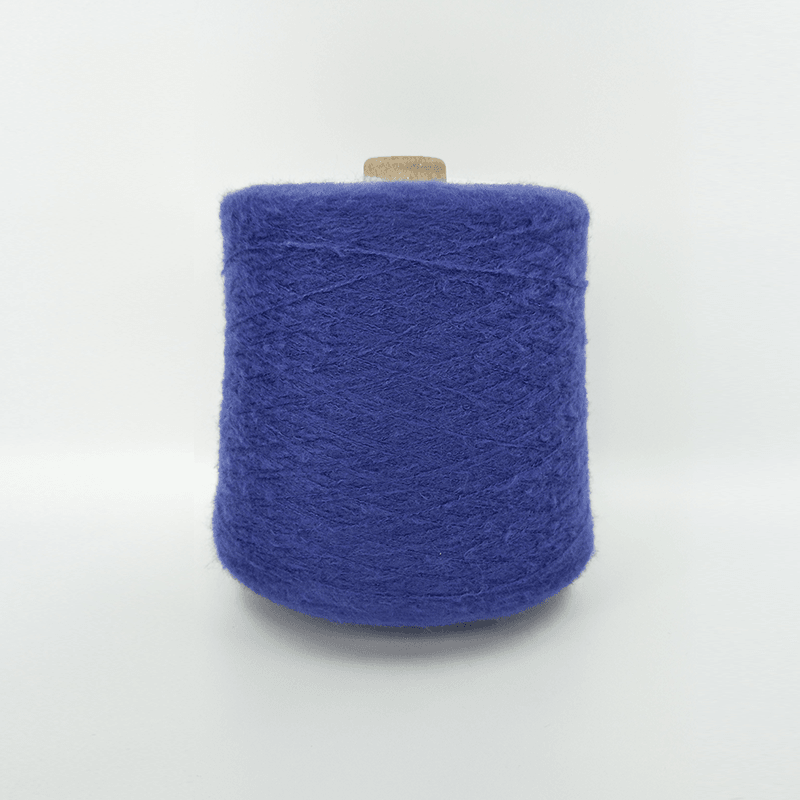
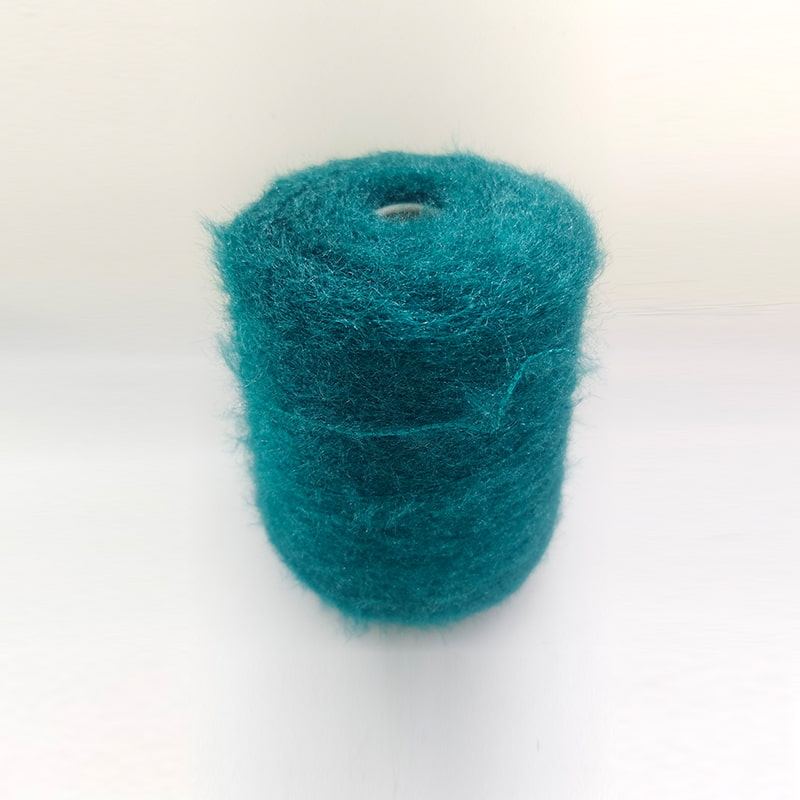
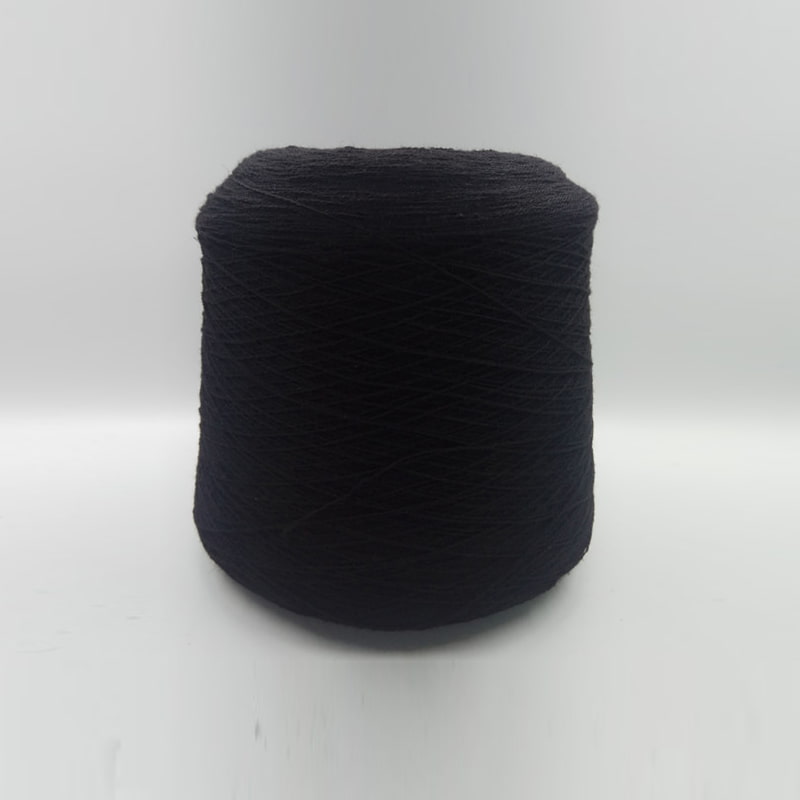
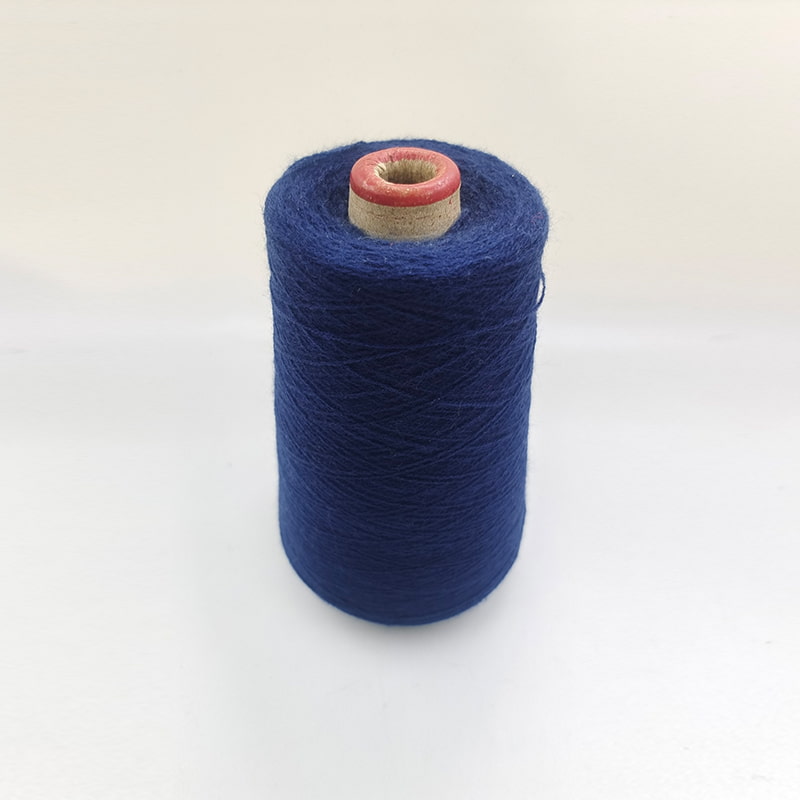
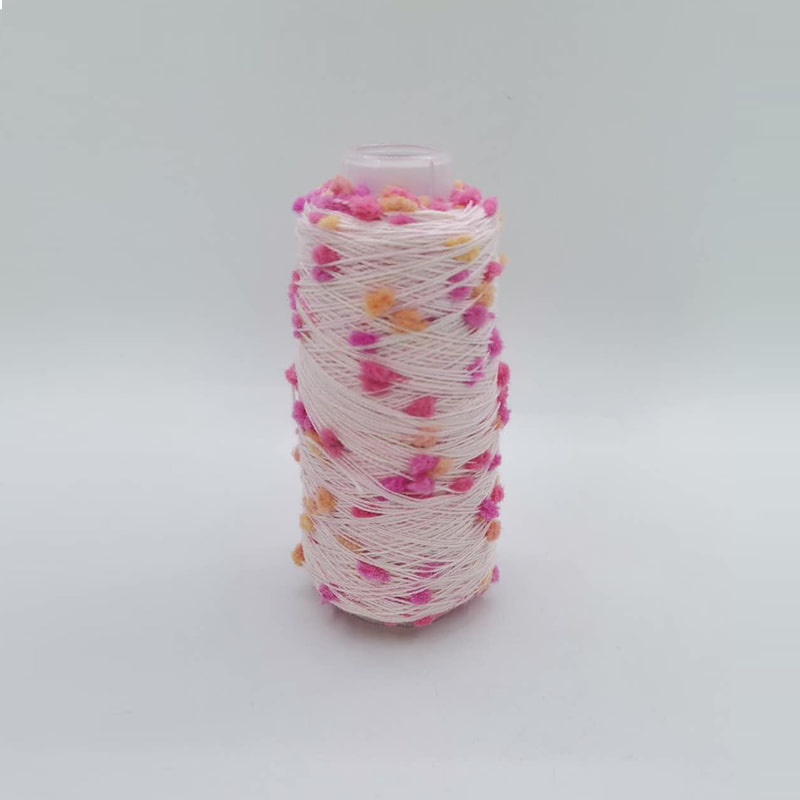
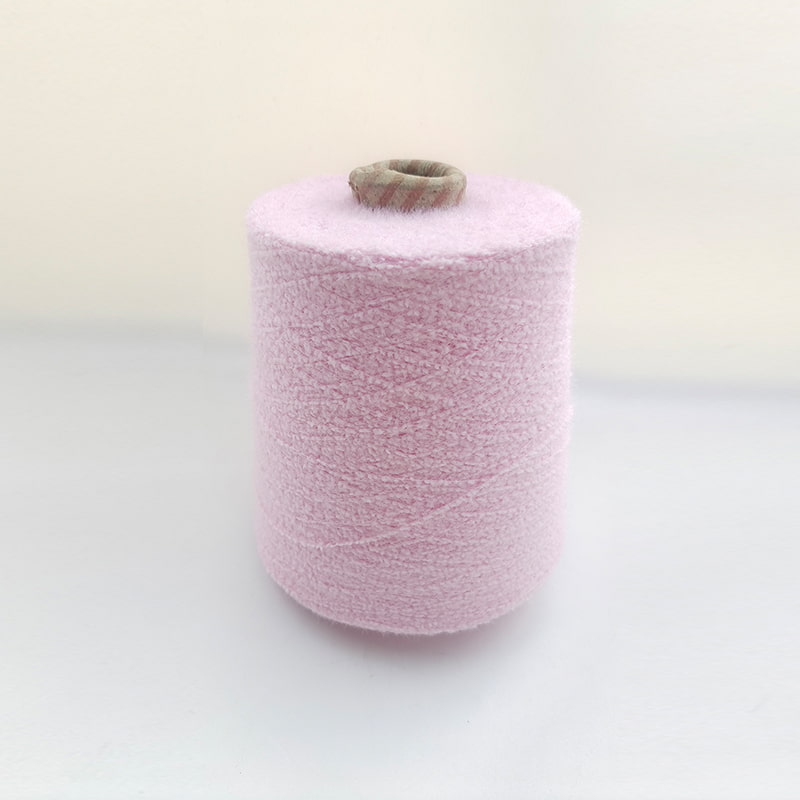
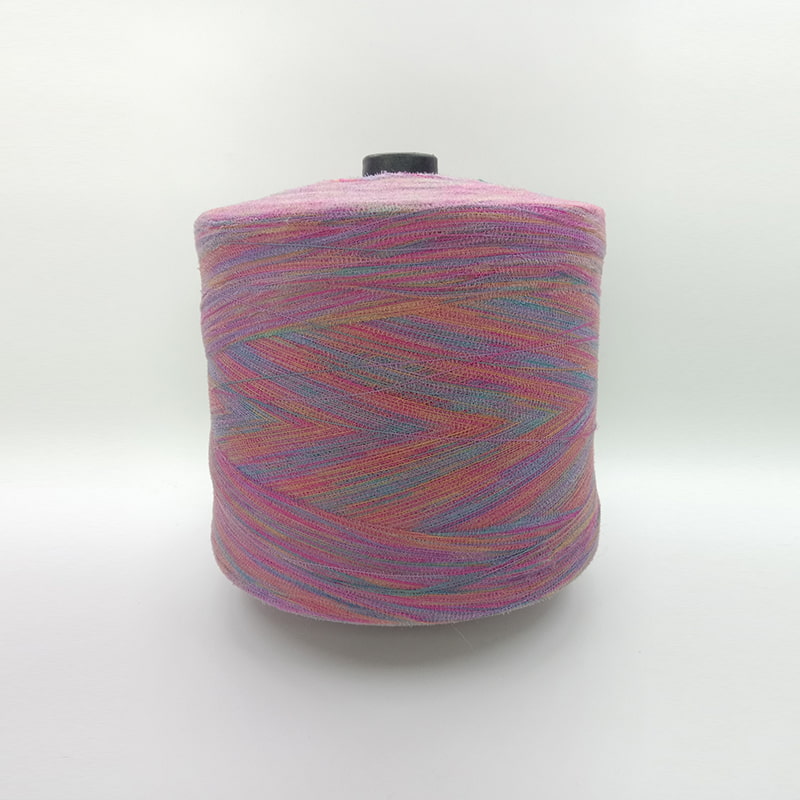
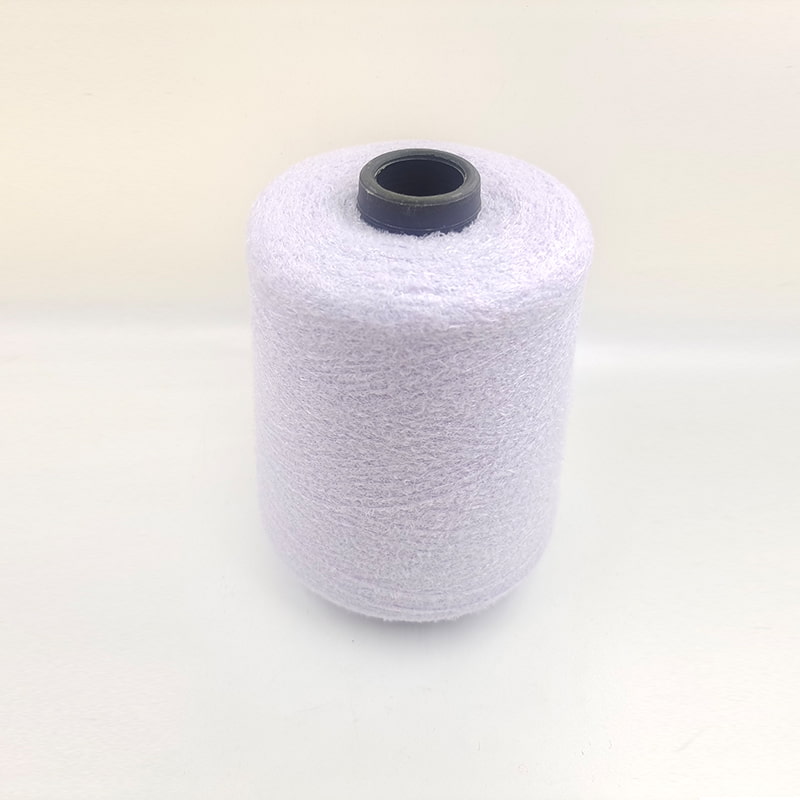
.jpg?imageView2/2/w/800/h/800/format/webp/q/75 "Viscose Core Spun Yarn")

 Click to view
“The company adheres to the business philosophy of 'You Win, I Win' ”
Content
Polyester and Acrylic Yarn Are Not Interchangeable
Imagine a yarn buyer sitting with two cones that look similar under factory lighting. One is soft, lofty, and almost wool-like; the other is denser, smoother, and noticeably firmer. That first contrast is acrylic versus polyester, and it affects everything that comes later: how the yarn behaves on a knitting machine or loom, how much the finished piece stretches, how fast it dries, and how it survives a warm dryer.
The practical conclusion is simple: choose polyester when you need strength, shape retention, and quick drying; choose acrylic when you need softness, volume, and wool-like warmth without animal fiber. Neither fiber is universally better. The right choice depends on the finished product, the production process, and the way the customer will wash and wear it.
Quick Comparison: Acrylic vs Polyester Yarn
The table below is not a substitute for yarn testing, but it explains why these two synthetic yarns behave differently in real use.
| Property | Acrylic Yarn | Polyester Yarn |
|---|---|---|
| Base material | Polyacrylonitrile | Polyethylene terephthalate (PET) |
| Hand feel | Soft, lofty, wool-like | Dense, smooth, firmer |
| Warmth | High, with good loft | Moderate |
| Strength | Lower tenacity | Higher tenacity |
| Moisture | Low absorbency, but higher than polyester | Very low absorbency, dries fast |
| Heat sensitivity | Damaged by high heat more easily | Melts at a higher temperature, but still heat-sensitive |
| Pilling tendency | Higher in low-twist or high-bulk forms | Lower in filament forms; spun forms can still pill |
| Typical uses | Sweaters, blankets, hats, children’s wear | Activewear, outerwear, linings, outdoor fabrics |
What Is Acrylic Yarn?
Acrylic yarn starts as polyacrylonitrile, usually cut into staple fibers and spun into yarn. Because the fibers can be crimped, textured, and heat-set, acrylic can imitate the fullness and warmth of wool while remaining machine-washable and animal-free. Warmth and loft are its main advantages, which is why acrylic appears so often in sweaters, blankets, scarves, and baby accessories.
Acrylic is also a practical choice when a project needs visual bulk without the weight of natural fiber. For a yarn with extra volume, our high-bulky acrylic yarn is a common starting point for soft knit garments. If you want to understand how acrylic is constructed, our brief introduction to acrylic yarn covers the material in more detail.
-2.jpg?imageView2/2/w/800/h/800/format/webp/q/75) Custom High Bulky Acrylic Yarn Suppliers,FactorySuzhou RHZ Textile Technology Co., Ltd. is China Custom High Bulky Acrylic Yarn Suppliers,Factory,High Bulky Acrylic Yarn is produced by...View Product →
Custom High Bulky Acrylic Yarn Suppliers,FactorySuzhou RHZ Textile Technology Co., Ltd. is China Custom High Bulky Acrylic Yarn Suppliers,Factory,High Bulky Acrylic Yarn is produced by...View Product →What Is Polyester Yarn?
Polyester yarn is made from polyethylene terephthalate and can be produced as continuous filament or spun from cut staple fibers. Filament polyester is smooth and slippery; spun polyester is softer and closer in structure to cotton or acrylic. Polyester’s core advantages are durability, dimensional stability, and moisture resistance. It holds its shape through repeated washing, resists shrinking and creasing, and dries faster than nearly any natural fiber.
For knitting projects that need both strength and a softer hand, our high-bulky polyester yarn offers a practical middle ground. In production, polyester’s consistency also reduces tension variation, which is valuable when running long orders on automated knitting or weaving equipment.
.jpg?imageView2/2/w/800/h/800/format/webp/q/75) Custom High Bulky Polyester Yarn Suppliers,FactorySuzhou RHZ Textile Technology Co., Ltd. is China Custom High Bulky Polyester Yarn Suppliers,Factory,High Bulky Polyester Yarn is stretch...View Product →
Custom High Bulky Polyester Yarn Suppliers,FactorySuzhou RHZ Textile Technology Co., Ltd. is China Custom High Bulky Polyester Yarn Suppliers,Factory,High Bulky Polyester Yarn is stretch...View Product →Key Performance Differences
Once the basic fiber structures are clear, the practical differences between acrylic and polyester fall into four main areas.
Strength and Shape Retention
Polyester has higher tenacity than acrylic, so it performs better in seams, buttonholes, high-friction areas, and products that need to hold a defined shape. Acrylic stretches more and recovers less reliably, especially when wet. A bulky sweater knitted from acrylic is comfortable, but a fitted activewear top, bag, or outdoor panel should usually be made from polyester.
Moisture, Breathability, and Drying Time
Both fibers have low absorbency compared with cotton or wool, but polyester is the drier of the two. Polyester’s moisture regain is about 0.4 percent, while acrylic is about 1.5 percent. That difference matters in activewear, outdoor textiles, and any product that will be washed and dried repeatedly. Acrylic feels warmer when dry, but polyester handles sweating and damp conditions better.
Heat, Washing, and Ironing
Both yarns are thermoplastic, which means they soften, set, or melt under heat. Acrylic is affected at a lower temperature than polyester. A hot iron can flatten acrylic fibers permanently and leave a shiny mark; a hot dryer can increase fuzz and pilling. Polyester has a higher melting point, but it can still melt, become shiny, or shrink if ironing is too hot. In practical terms, wash acrylic in cool water and dry flat. Polyester can tolerate a warm machine wash, but high heat is still a risk.
Pilling and Surface Wear
Pilling is caused by loose fibers tangling into small balls on the surface. Spun yarns made from short fibers pill more than continuous filament yarns. Acrylic, especially low-twist high-bulk types, tends to pill in areas that rub, such as under the arms or against a bag strap. Polyester filament has a cleaner surface because it has no exposed staple ends. Spun polyester can still pill, but tighter twist and longer fibers reduce it. If pilling is a sourcing concern, ask for anti-pilling acrylic or a filament polyester option.
Color and Dyeing Behavior
Color development is another practical difference. Acrylic yarn can be dyed with cationic dyes under atmospheric pressure, which makes bright shades and space-dyed effects easier to produce. Polyester requires disperse dyes and high-temperature dyeing, so dark polyester shades need more process control to stay consistent. For a production buyer, this affects sampling time, color matching, and repeatability on large orders.
Which Yarn Should You Choose?
A useful way to decide is to write down the finished product’s requirements before comparing price. The most expensive yarn is the one that fails after the customer’s first wash.
Choose acrylic if you need:
- A wool-like hand with visible bulk and warmth.
- A synthetic option without animal fiber.
- Softness for sweaters, blankets, scarves, and accessories.
- Good color brightness and easy low-temperature care.
Choose polyester if you need:
- High strength and long-term shape retention.
- Fast drying and low shrinkage.
- A smooth surface for activewear, linings, and outdoor panels.
- Better resistance to wrinkles and abrasion.
For woven and outdoor applications, the distinction is even more important. Acrylic’s loft can be adapted for textile panels that need a softer surface, while polyester is usually preferred when the fabric will face wind, water, or repeated mechanical stress.
A Sourcing Perspective from a Yarn Manufacturer
Because we are a specialist textile manufacturer, we see this comparison from a production side rather than only a consumer side. Acrylic gives designers softness and bulk; polyester gives repeatability and strength. Both are useful, but they require different machine settings, dyeing profiles, and finishing processes.
At our mill, we produce yarns in a 10S to 60S range, which covers most knit and woven needs. We recommend that buyers test a physical sample before committing to a large order. Ask for color fastness data, wash the sample the same way your customer will, and run it on the same machine you intend to use in production. A fiber name alone does not guarantee performance; the twist, finish, and yarn construction decide the final result.
If you are developing a new product and need help comparing acrylic and polyester options, contact our team with your application, care requirements, and target fabric weight. That information is enough to narrow the choice quickly.
