

 English
 Español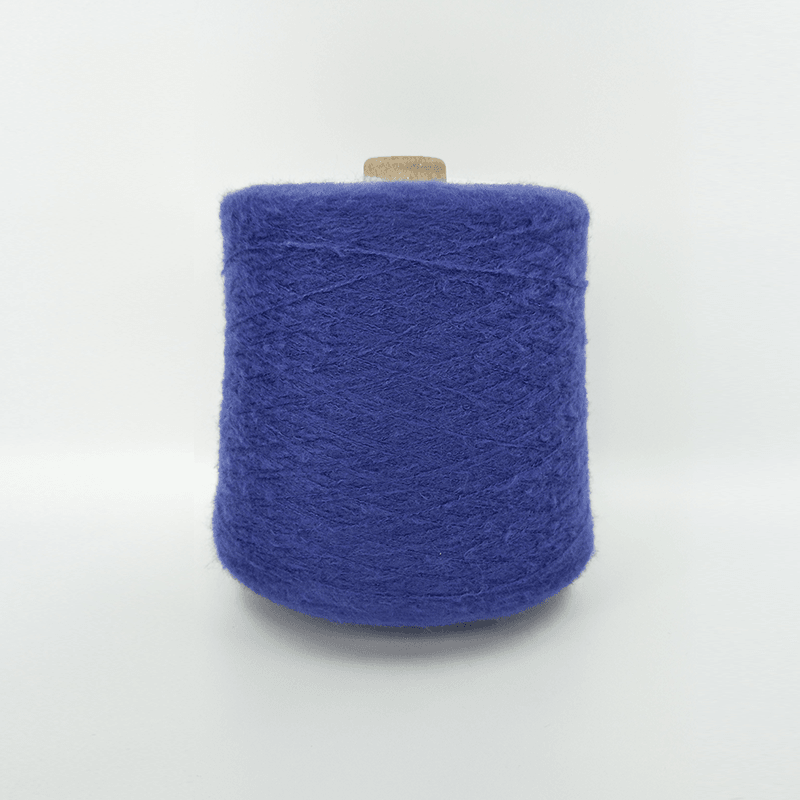
.jpg?imageView2/2/w/800/h/800/format/webp/q/75 "Viscose Core Spun Yarn")

 Click to view
“The company adheres to the business philosophy of 'You Win, I Win' ”
Content
What Is Staple Fiber and How Is It Processed Into Yarn?
Staple fibers are short, discrete lengths of fiber — typically ranging from half an inch to several inches long — that must be spun together to form a continuous yarn. They can be sourced from natural origins like cotton, wool, linen, and cashmere, or manufactured as cut lengths from synthetic materials such as polyester, nylon, or acrylic. The defining characteristic of staple fiber is its discontinuous nature: no single fiber runs the length of the yarn. Instead, thousands of short fibers are twisted or drafted together, relying on friction and interlock to hold the yarn's structure.
The processing of staple fibers into yarn involves several steps depending on the fiber type. For cotton, the process begins with ginning to remove seeds, followed by carding to align fibers, drawing to thin them into a roving, and finally ring spinning or open-end spinning to create the finished yarn. Wool requires scouring to remove lanolin and debris, followed by either the woolen or worsted spinning system — the worsted system produces smoother, denser yarns, while the woolen system retains loft and creates a fluffier texture. The variation in processing methods is one reason staple fiber yarns come in such a wide range of textures and appearances.
Because the fibers do not perfectly align and short ends protrude from the yarn surface, staple fiber yarns tend to have a slightly fuzzy, matte surface. This characteristic contributes to softness, breathability, and a natural appearance — qualities that make them highly desirable for apparel, bedding, and comfort-driven textile products.
What Is Filament Yarn and What Makes It Different?
Filament yarn is composed of one or more continuous strands — called filaments — that run the entire length of the yarn without interruption. Natural filament fibers are rare; silk is the most notable example, where a single silkworm cocoon can yield a filament ranging from 300 to 1,500 meters in length. The vast majority of filament yarns in commercial use today are synthetic: polyester, nylon, rayon (viscose), and spandex are all produced as continuous filaments through a process called extrusion, in which a polymer solution is forced through a spinneret — a device with tiny holes — and then solidified into fibers.
-1.jpg?imageView2/2/w/500/h/500/format/jpg/q/100)
Filament yarns can be used in two primary forms. Monofilament yarn consists of a single, untwisted strand and is used in applications like fishing line, toothbrush bristles, and sheer hosiery. Multifilament yarn bundles many fine filaments together and is the standard form used in apparel and fabric production. These multifilament bundles can be lightly twisted, heavily twisted, or textured through mechanical means to alter their properties.
The surface of filament yarn is notably smooth because no fiber ends protrude. This gives filament fabrics a lustrous, almost glassy appearance — think satin, chiffon, or polyester taffeta. The continuous structure also results in high tensile strength with minimal stretch, which is why filament yarns are widely used in technical textiles, outerwear linings, and high-performance sportswear.
Staple Fiber vs Filament: A Side-by-Side Comparison
Understanding the practical differences between these two yarn types is essential for anyone working in textile design, apparel production, or fabric sourcing. The table below summarizes how they compare across the most critical performance and aesthetic criteria:
| Property | Staple Fiber Yarn | Filament Yarn |
| Fiber Length | Short and discontinuous | Continuous, unbroken length |
| Surface Texture | Slightly fuzzy, matte | Smooth, lustrous |
| Strength | Moderate (depends on twist) | High tensile strength |
| Breathability | High (especially natural fibers) | Lower (synthetic versions) |
| Pilling Tendency | Higher (loose fiber ends) | Lower (no free ends) |
| Typical Sources | Cotton, wool, linen, cut synthetics | Silk, polyester, nylon, rayon |
| Best Applications | Casual wear, knitwear, bedding | Activewear, linings, technical fabrics |
Types of Yarn Textures and What Creates Them
Yarn texture is one of the most defining characteristics of a finished fabric. It influences hand feel, visual appearance, drapability, and end-use suitability. Whether derived from staple or filament sources, yarn texture is shaped by fiber type, spinning method, twist level, and any post-processing treatments applied. Below are the most common yarn textures you will encounter in textile production and what distinguishes each one.
Smooth and Flat Yarns
Smooth yarns have a uniform, even surface with minimal variation in diameter along their length. They are typically produced from filament fibers or from tightly spun, well-combed staple fibers like combed cotton or worsted wool. The resulting fabric surface is clean, has good print definition, and reflects light evenly. Smooth yarns are the foundation of fabrics like poplin, twill, satin, and fine suiting. Their predictability makes them a first choice for patterns, stripes, and detailed woven structures where clarity of design matters.
Textured and Bulked Yarns
Textured yarns are filament yarns that have been mechanically or thermally processed to introduce crimp, loops, coils, or zigzag configurations into the filaments. This texturing process increases bulk and softness while reducing the flat, slippery feel of raw filament. The most common texturing methods include false-twist texturing (used for polyester and nylon), air-jet texturing, and gear crimping. Textured polyester yarn, for example, is widely used in fleece fabrics, jersey knits, and upholstery where a softer hand and some stretch are desirable. Despite being synthetic, textured yarns can closely mimic the feel of staple fiber yarns.
Hairy and Brushed Yarns
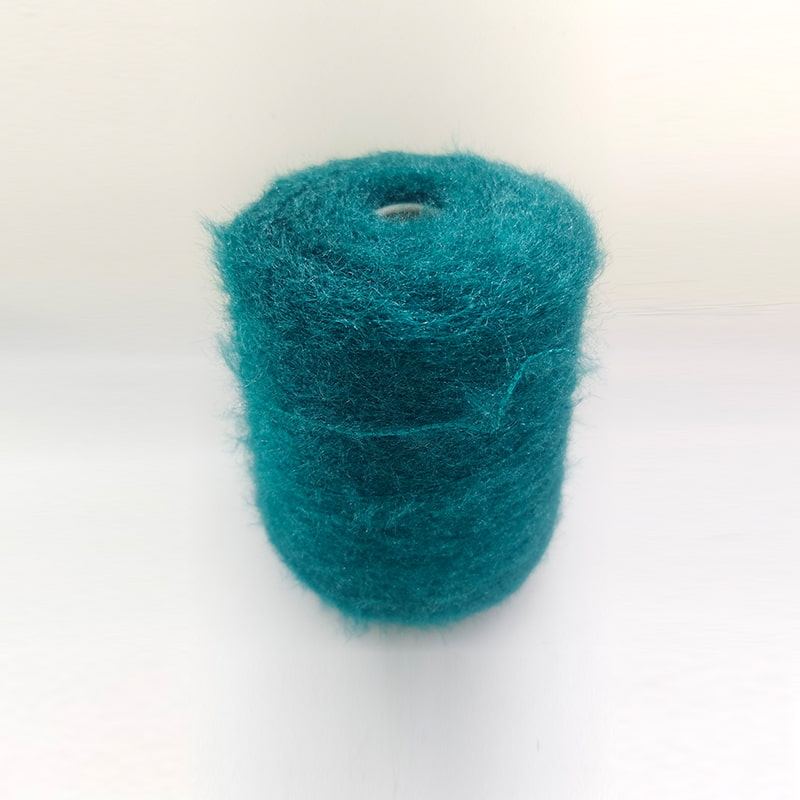
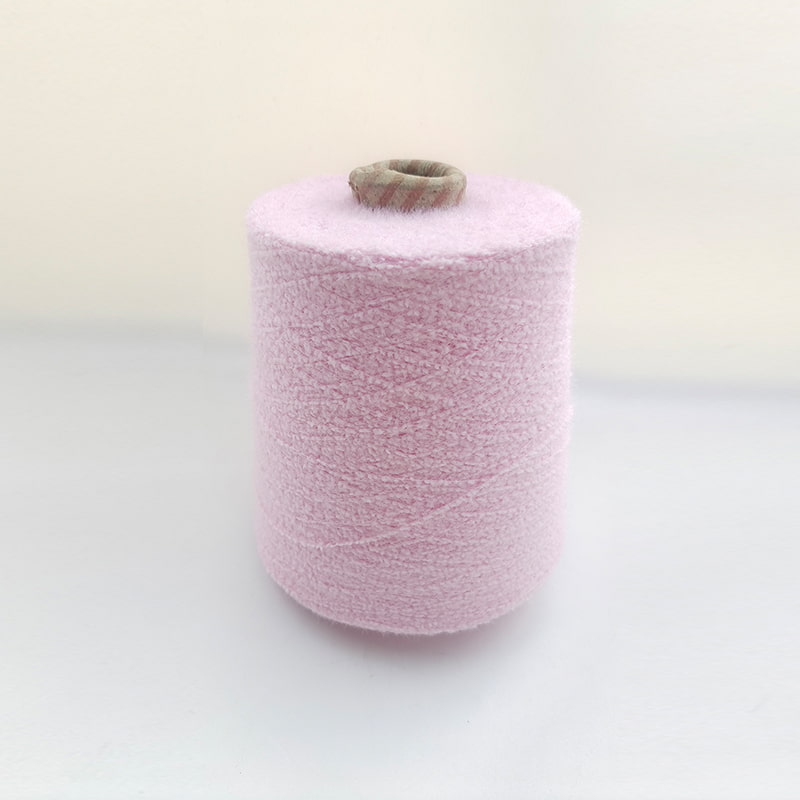
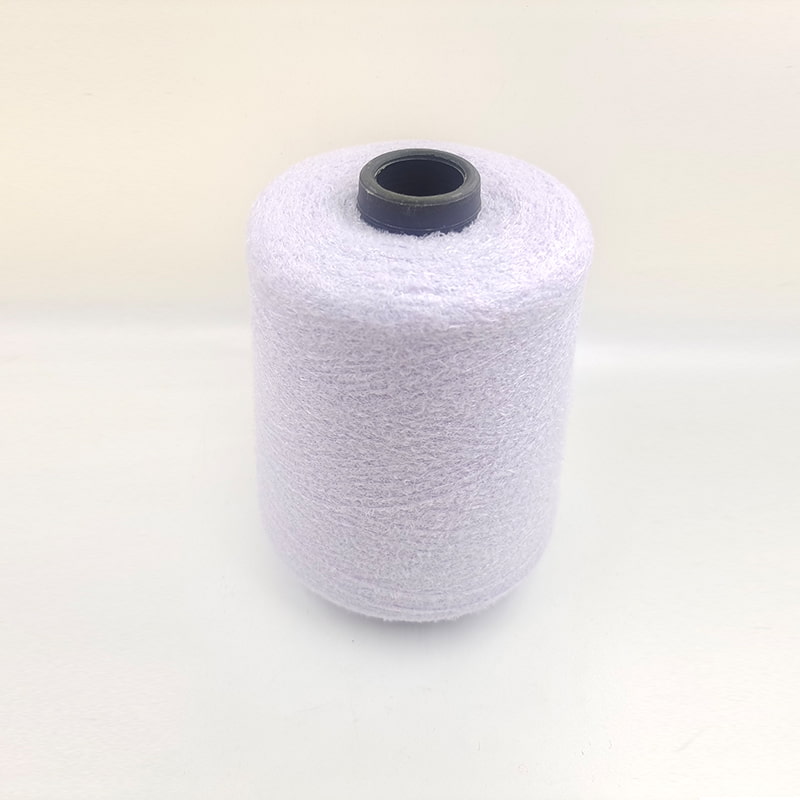
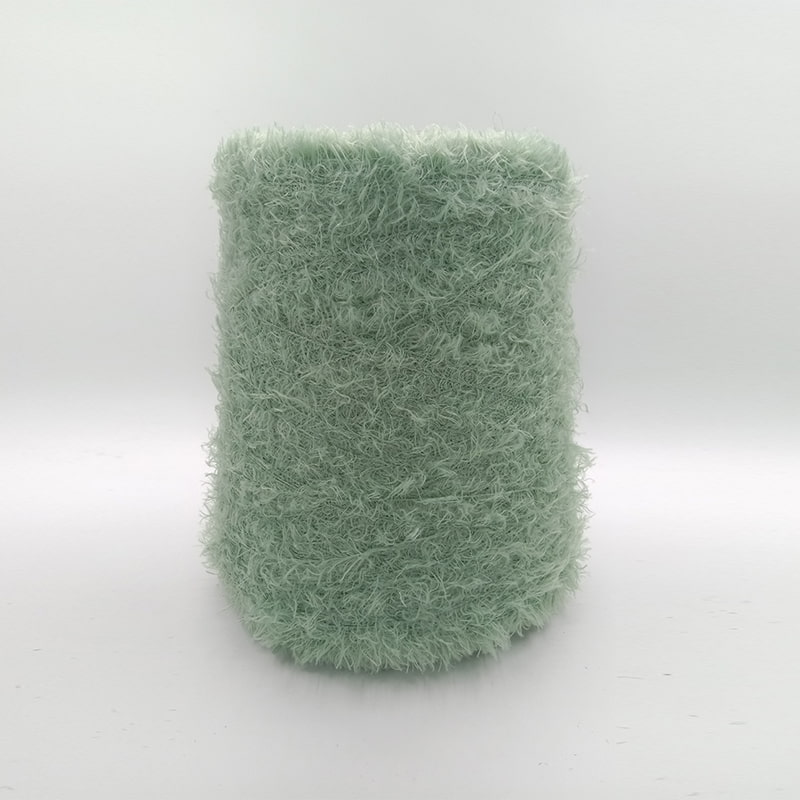
Hairy yarns have visible fiber ends or loops extending from the core, creating a soft, fuzzy halo effect on the surface. This texture is naturally occurring in staple fiber yarns — especially those made from wool, mohair, or angora — but can also be engineered in synthetic yarns through a brushing or napping process. Mohair yarns, sourced from Angora goats, are among the most luxurious examples, with long, silky hairs that catch light and add dimension to knitted garments. Hairy yarn fabrics include flannel, melton, and many bouclé-style knits. The tradeoff for their softness is a higher tendency to shed or pill with wear and friction.
Bouclé and Loop Yarns
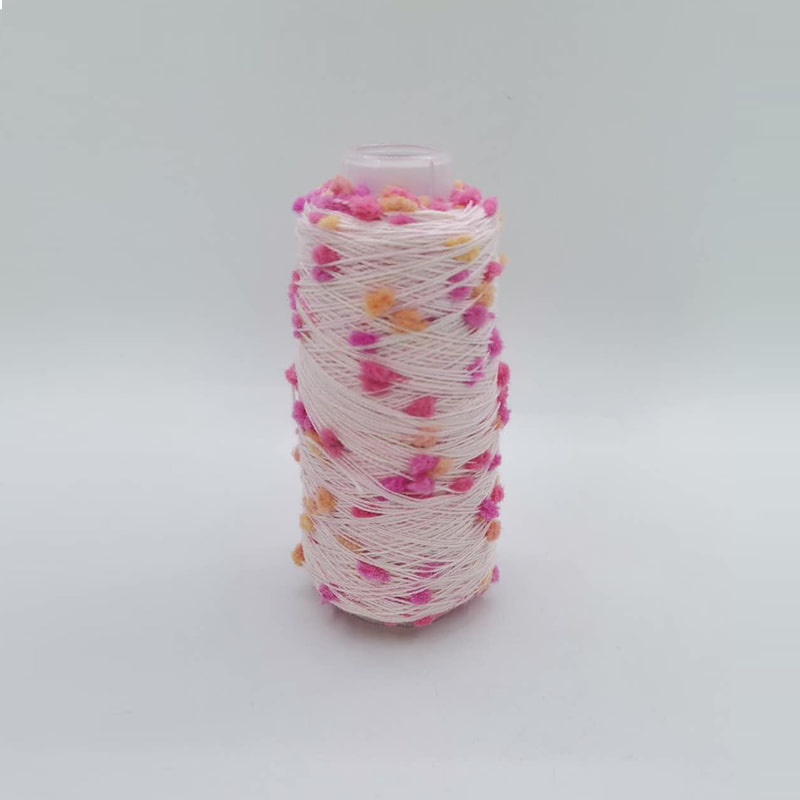
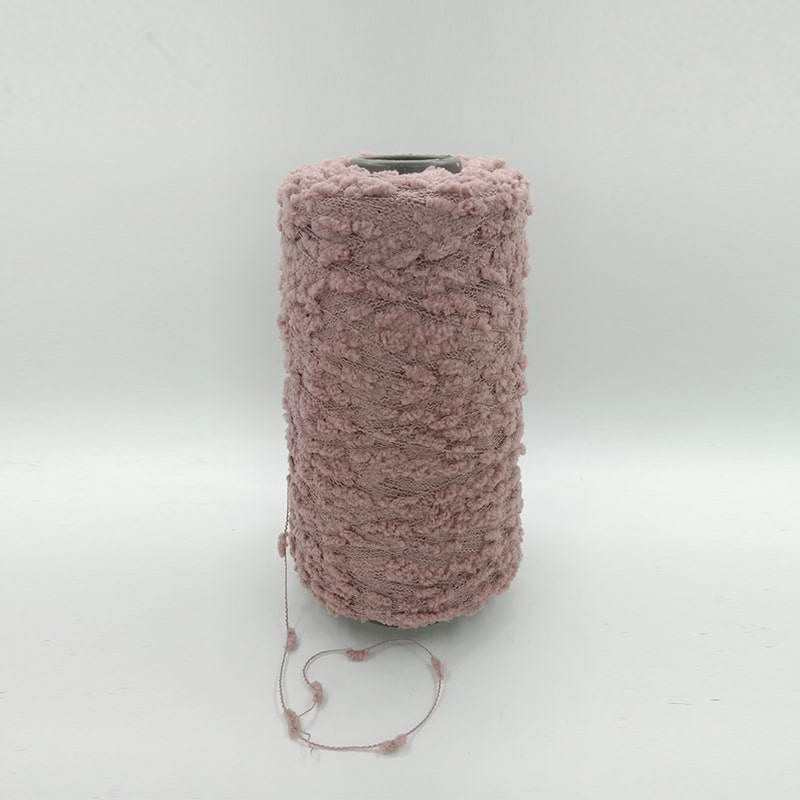
Bouclé yarns are a specific novelty yarn structure in which a core yarn is wrapped with a secondary yarn at irregular intervals, creating protruding loops and a bumpy, nubby surface texture. The loops are locked in place by a third binder yarn twisted in the opposite direction. This construction gives bouclé fabric its signature irregular, three-dimensional texture. Bouclé is widely used in high-fashion outerwear, blazers, and upholstery. Chanel's iconic tweed suits are perhaps the most recognizable example of bouclé-inspired fabric in fashion history. Because of the looped structure, bouclé fabrics are prone to snagging and require careful handling during both construction and wear.
Chenille Yarns
Chenille yarn is constructed by twisting short lengths of fiber — the pile — between two core yarns that lock them perpendicular to the axis of the yarn. The result looks and feels like a soft caterpillar (chenille is the French word for caterpillar). The texture is dense, plush, and velvety, with excellent light absorption due to the pile's depth. Chenille yarns are used in sweaters, scarves, home textiles, and upholstery. They can be made from cotton, acrylic, rayon, or polyester. The main challenge with chenille is that the pile can flatten in high-wear areas or shed from the core if the binding twist is not tight enough.
Slub and Irregular Yarns
Slub yarns are intentionally spun with varying thickness along their length, creating alternating thick and thin sections. This unevenness, which would be considered a defect in standard spinning, is deliberately engineered in slub yarns to produce a rustic, natural aesthetic in the finished fabric. Slub cotton is popular in casual shirts, linen-look fabrics, and lightweight suiting because it mimics the irregularities of handwoven textiles. The thick slubs create small nubs of texture across the fabric surface, making every yard slightly unique in appearance.
How Yarn Texture Affects Fabric Performance and Selection
Choosing a yarn texture is not purely an aesthetic decision — it directly impacts how a fabric performs in use. The following practical factors should guide yarn and texture selection in any textile or apparel project:
- Durability: Smooth filament yarns resist abrasion better than hairy or looped staple yarns. For high-wear applications like workwear or upholstery, a smooth or tightly spun yarn will outlast a textured novelty yarn.
- Comfort and Breathability: Staple fiber yarns — particularly natural ones like cotton and linen — allow air circulation through their structure, making them preferable for next-to-skin garments and warm-weather apparel.
- Drape: Smooth filament yarns produce fabrics with fluid drape, ideal for evening wear and flowing silhouettes. Bulky or bouclé yarns create stiff, structured fabrics better suited to tailored shapes.
- Care Requirements: Hairy and looped yarns require gentler washing to preserve their surface texture. Filament fabrics are generally easier to launder and dry quickly.
- Cost: Novelty textures like bouclé and chenille involve more complex production steps and therefore cost more than standard smooth or staple-spun yarns.
Whether you are a textile designer sourcing materials, a garment maker selecting fabrics, or a craft knitter choosing yarn for a project, understanding the structural difference between staple fiber and filament — and how each type expresses itself in yarn texture — gives you a decisive advantage. The right yarn texture is not just about how something looks on a hanger; it determines how the final product performs across months and years of real use.
