

 English
 Español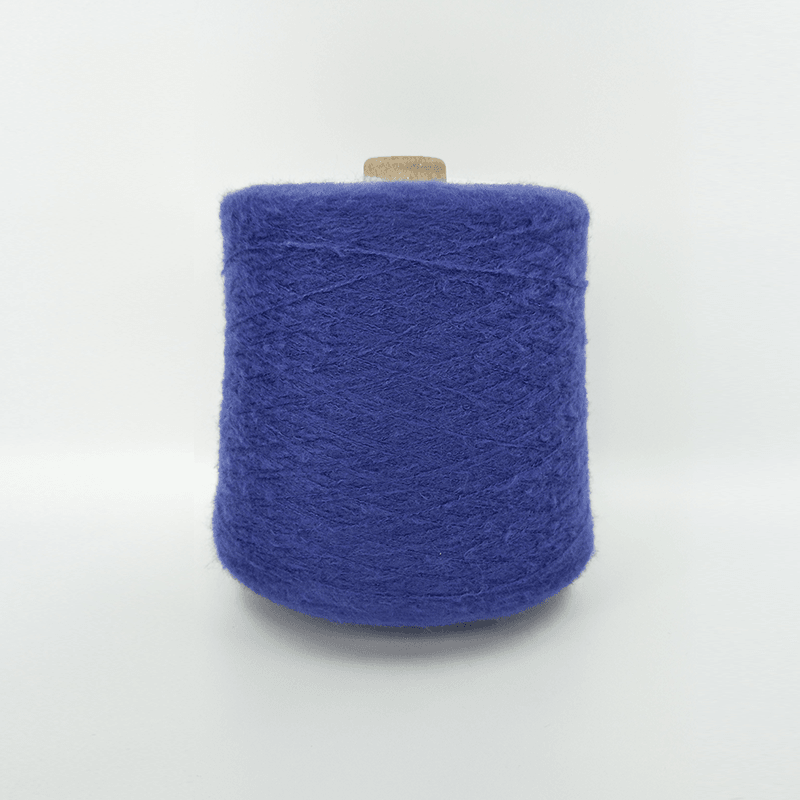
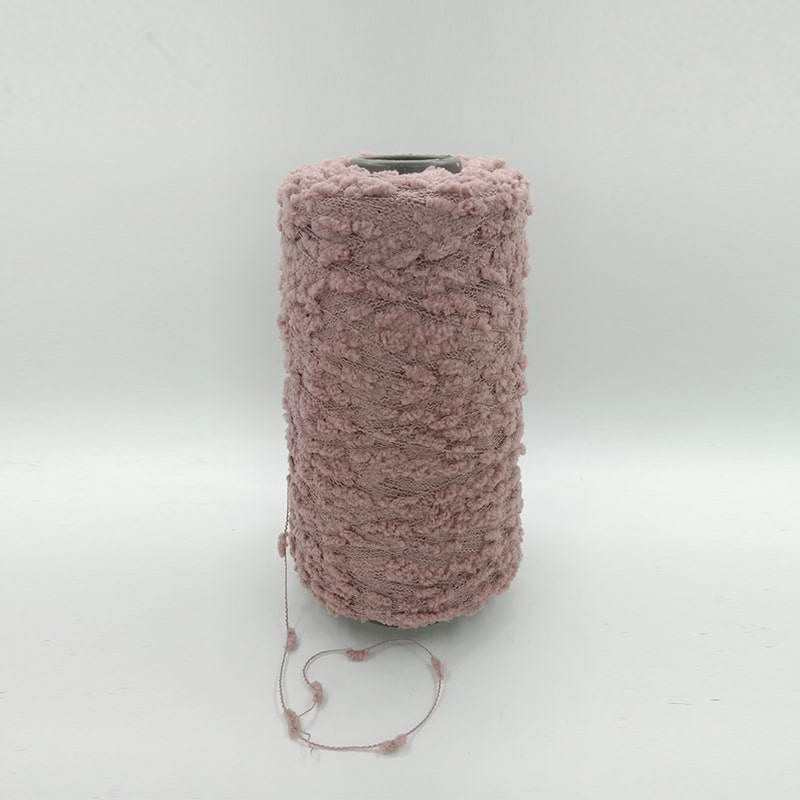
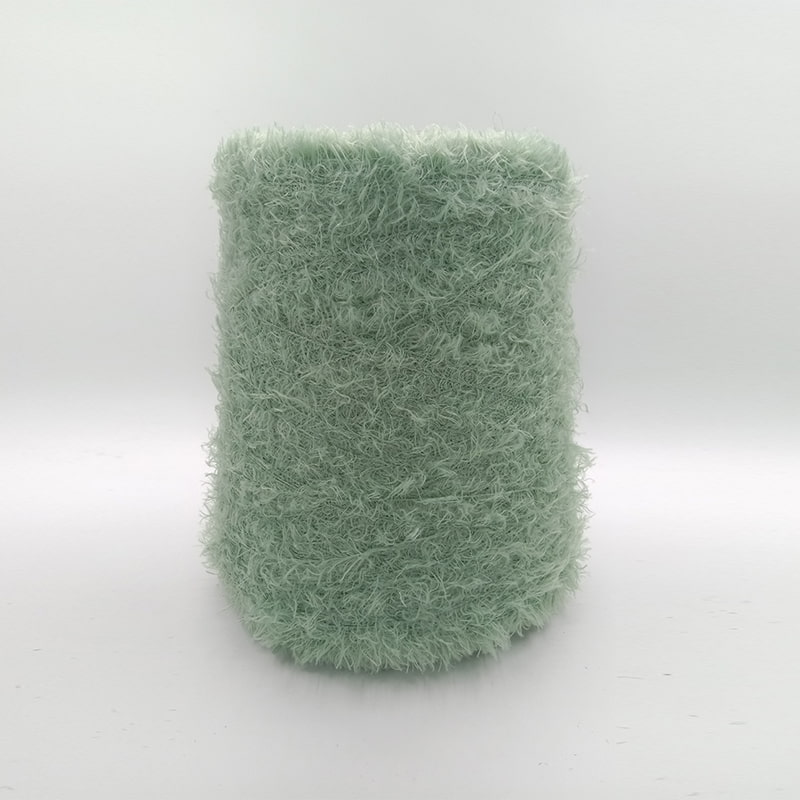
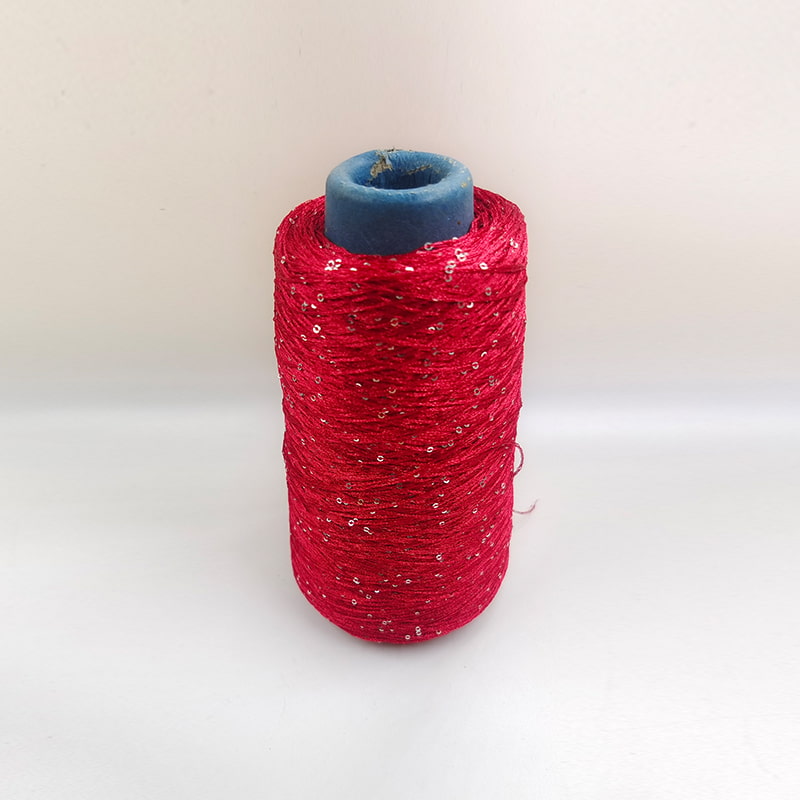
.jpg?imageView2/2/w/800/h/800/format/webp/q/75 "Viscose Core Spun Yarn")

 Click to view
“The company adheres to the business philosophy of 'You Win, I Win' ”
Content
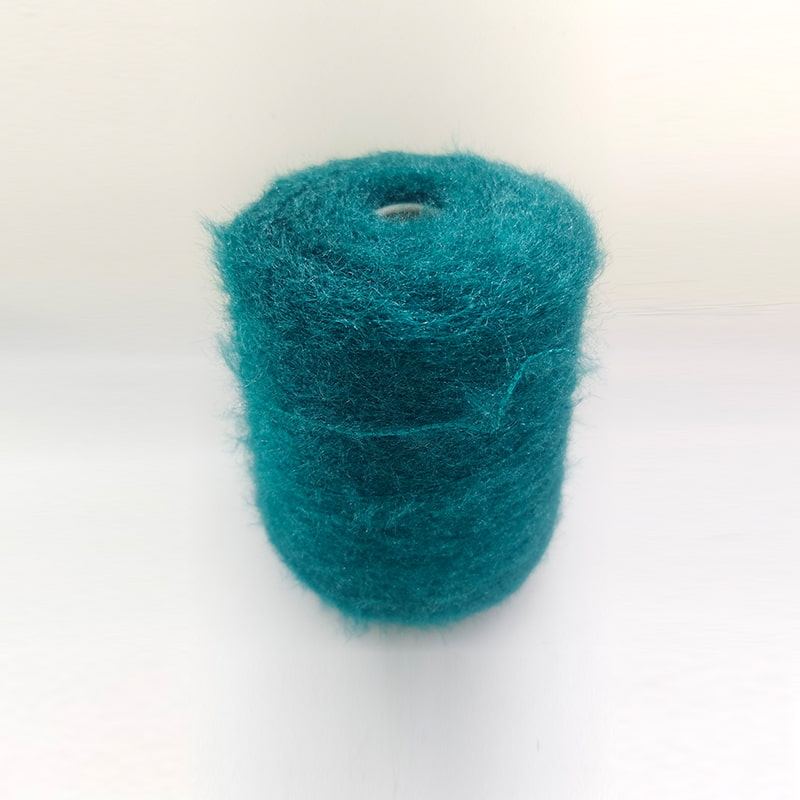
Introduction to Hairy Knitting Yarn
Hairy knitting yarn is popular for creating cozy, textured, and visually striking garments. Unlike regular yarn, hairy yarn features a fuzzy or fluffy halo that gives finished projects a soft and warm appearance. Among the wide variety of hairy yarns, cotton and acrylic are two of the most commonly used materials. Understanding their differences is crucial for knitters to choose the right yarn for their projects based on texture, durability, care, and intended use.
Material Composition and Properties
The primary difference between cotton and acrylic hairy yarn lies in their material composition. Cotton yarn is derived from natural cotton fibers, which are soft, breathable, and hypoallergenic. Acrylic yarn, on the other hand, is a synthetic fiber made from polymer-based materials, designed to mimic natural fibers while offering additional durability and affordability.
Cotton Hairy Yarn
Cotton hairy yarn provides a natural feel and superior breathability. It is gentle on the skin, making it suitable for garments such as scarves, hats, and baby items. Cotton fibers absorb moisture effectively, keeping the wearer comfortable in warmer climates. However, cotton yarn tends to be less elastic and can lose shape over time, especially in heavily worn items.
Acrylic Hairy Yarn
Acrylic hairy yarn is lightweight, soft, and resistant to wrinkles and shrinkage. Its synthetic nature allows it to maintain shape and resilience even after repeated washes. Acrylic yarn is often more affordable than cotton and is widely available in a variety of colors and textures. Its primary drawback is lower breathability compared to natural fibers, which may result in less comfort in hot climates.
.jpg?imageView2/2/w/500/h/500/format/jpg/q/100)
Texture and Visual Appearance
Both cotton and acrylic hairy yarn create a fuzzy, textured appearance, but subtle differences in texture and feel can affect the final project:
Softness and Halo Effect
Cotton hairy yarn tends to have a matte, natural-looking halo, providing a soft, rustic texture. Acrylic hairy yarn often produces a shinier, more vibrant fuzzy effect that highlights bright colors and intricate knitting patterns. The choice between them depends on whether a natural or polished look is desired.
Durability and Wear Resistance
Acrylic hairy yarn generally offers superior durability compared to cotton. Cotton fibers may fray, pill, or lose elasticity after extended use, while acrylic fibers resist wear and maintain their fuzzy texture over time. Projects intended for daily use or heavy wear may benefit from acrylic yarn’s resilience.
Care and Maintenance
Proper care is essential to maintain the texture, shape, and longevity of hairy yarn projects. Cotton and acrylic hairy yarns differ significantly in their care requirements.
Cotton Hairy Yarn Care
Cotton hairy yarn requires gentle washing, preferably by hand or in cold water on a delicate cycle. High temperatures or harsh detergents can weaken fibers and cause shrinkage. Cotton projects should be laid flat to dry to prevent stretching and distortion of the fuzzy halo.
Acrylic Hairy Yarn Care
Acrylic hairy yarn is generally easier to care for. It is machine washable, dries quickly, and resists shrinking and wrinkles. Acrylic yarn can withstand more frequent washing, making it suitable for everyday garments and accessories. However, care should be taken to avoid high heat, which can melt or deform synthetic fibers.
Warmth and Comfort
Both cotton and acrylic hairy yarns provide warmth, but they differ in thermal properties and comfort under varying conditions:
Breathability
Cotton hairy yarn is highly breathable, making it suitable for garments worn in moderate to warm climates. It allows air circulation and absorbs moisture effectively, enhancing comfort. Acrylic hairy yarn retains heat better but may trap moisture, potentially leading to less comfort during prolonged wear in hot conditions.
Softness on Skin
Both yarns can be soft, but cotton provides a natural, gentle feel ideal for sensitive skin. Acrylic can be soft as well, though some lower-quality acrylic yarns may feel slightly synthetic or less natural against the skin.
Project Suitability and Applications
The intended project type often determines whether cotton or acrylic hairy yarn is more appropriate.
Cotton Hairy Yarn Applications
Cotton hairy yarn is ideal for lightweight sweaters, baby clothes, scarves, and accessories where breathability and a natural look are important. It is preferred for projects that will not undergo heavy friction or daily machine washing.
Acrylic Hairy Yarn Applications
Acrylic hairy yarn is well-suited for hats, blankets, mittens, and garments intended for frequent use. Its durability and color retention make it ideal for bold designs and everyday wear, particularly when maintenance ease is a priority.
Comparison Table: Cotton vs Acrylic Hairy Yarn
| Feature | Cotton Hairy Yarn | Acrylic Hairy Yarn |
| Softness | Natural, gentle on skin | Soft, slightly synthetic feel |
| Durability | Moderate, may fray or pill | High, maintains shape and texture |
| Breathability | High | Medium |
| Care Requirements | Hand wash or gentle cycle, lay flat to dry | Machine washable, quick dry, avoid high heat |
| Best Uses | Lightweight garments, baby items, scarves | Everyday wear, bold colors, blankets, hats |
Conclusion
Cotton and acrylic hairy yarns each offer unique benefits for knitting projects. Cotton provides a natural, breathable feel and is gentle on the skin, while acrylic offers superior durability, shape retention, and vibrant colors. Selecting the appropriate yarn depends on project type, desired texture, care preferences, and how frequently the finished item will be used. By understanding these differences, knitters can make informed choices to achieve beautiful, long-lasting, and functional creations with hairy knitting yarn.
