

 English
 Español
.jpg?imageView2/2/w/800/h/800/format/webp/q/75 "Viscose Core Spun Yarn")

 Click to view
“The company adheres to the business philosophy of 'You Win, I Win' ”
Content
- 1 1. Composition and Basic Characteristics
- 2 2. Comfort: Softness and Feel
- 3 3. Breathability and Moisture Management
- 4 4. Temperature Regulation
- 5 5. Durability and Longevity
- 6 6. Ease of Care
- 7 7. Skin Sensitivity and Comfort in Use
- 8 8. Environmental Considerations
- 9 9. Applications in Daily Life
- 10 Conclusion
Yarn selection plays a vital role in the textile industry, influencing not only the quality of fabrics but also the comfort, durability, and care requirements of the final product. Among the most widely used yarns are solid polyester yarn and cotton yarn. Both are essential materials, yet they possess distinct characteristics that determine their suitability for different applications. For consumers and manufacturers alike, understanding the differences between these two yarns in terms of comfort and care is key to making informed choices.
This article explores how solid polyester yarn and cotton yarn compare in softness, breathability, durability, moisture management, and maintenance, while also considering their environmental impact.
1. Composition and Basic Characteristics
-
Solid Polyester Yarn:
Made from synthetic polymers derived from petroleum, solid polyester yarn is continuous-filament or spun yarn that exhibits strength, elasticity, and resistance to shrinkage. It is man-made and engineered for specific qualities like wrinkle resistance, colorfastness, and high durability. -
Cotton Yarn:
Cotton yarn is a natural fiber derived from cotton plants. It is soft, breathable, and highly absorbent, making it one of the oldest and most trusted materials for clothing. Cotton is valued for its comfort and versatility but is more susceptible to wear and tear compared to synthetics.
These fundamental differences in origin—synthetic versus natural—directly influence how each yarn performs in comfort and care.
2. Comfort: Softness and Feel
Cotton Yarn
Cotton yarn is widely celebrated for its soft, natural feel. It is gentle against the skin, making it ideal for sensitive users, such as infants or people prone to skin irritation. The natural fibers are pliable and comfortable in both warm and cool conditions. Cotton’s softness improves with washing, as fibers relax and become even more skin-friendly.
Solid Polyester Yarn
Solid polyester yarn tends to have a smoother and slightly firmer texture compared to cotton. Although technological advancements have created microfibers and brushed polyester fabrics that mimic cotton’s softness, polyester generally lacks the same natural comfort. Some users may find it less breathable and slightly warmer to wear.
Verdict: Cotton yarn offers superior natural softness, while polyester provides engineered smoothness but may feel less breathable.
3. Breathability and Moisture Management
Cotton Yarn
Cotton is highly breathable and has excellent moisture absorption properties. It can absorb up to 25 times its weight in water, which makes it effective at wicking sweat away from the skin. However, once wet, cotton takes longer to dry, often feeling heavy and uncomfortable during physical activity.
Solid Polyester Yarn
Polyester, on the other hand, is moisture-resistant rather than absorbent. Instead of soaking up water, it wicks moisture to the fabric surface, where it evaporates quickly. This makes polyester more suitable for sportswear and active lifestyles, as it keeps the wearer dry and prevents fabric from feeling heavy.
Verdict: Cotton excels in natural breathability, while polyester wins in moisture-wicking and quick-drying capabilities.
4. Temperature Regulation
Cotton Yarn
Cotton’s breathable structure makes it ideal for hot climates, as it allows airflow and reduces heat buildup. It provides a cooling effect, making it a preferred choice for summer clothing, bed linens, and undergarments.
Solid Polyester Yarn
Polyester tends to trap heat, as the synthetic fibers are less porous. Without advanced weaving or finishing techniques, polyester garments can feel warm and less comfortable in hot conditions. However, polyester fabrics engineered with ventilation or mesh can provide better temperature control in activewear.
Verdict: Cotton offers better cooling comfort, while polyester requires specialized design to achieve similar results.
5. Durability and Longevity
Cotton Yarn
Although comfortable, cotton fibers are prone to wear and tear. They weaken when wet, shrink with improper washing, and are more likely to develop holes over time. Repeated laundering can also fade cotton’s color.
Solid Polyester Yarn
Polyester is engineered for superior durability. It resists shrinking, stretching, and fading. The yarn maintains shape and color even after repeated washing. For heavy-use items like sportswear, upholstery, or workwear, polyester outperforms cotton significantly.
Verdict: Polyester offers higher durability, while cotton prioritizes comfort over longevity.
6. Ease of Care
Cotton Yarn
Cotton requires more careful maintenance. It wrinkles easily, can shrink in high heat, and may fade over time. Stains are harder to remove from cotton, as its absorbency causes liquids to penetrate deeply into fibers.
Solid Polyester Yarn
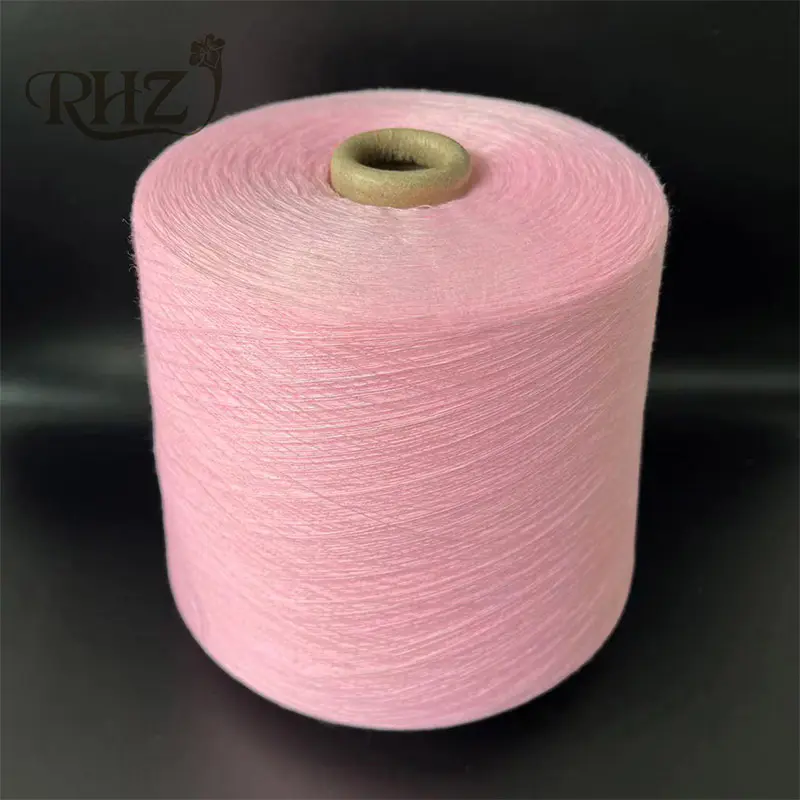
Polyester is low-maintenance. It resists wrinkles, retains shape, and dries quickly. Most polyester garments require little or no ironing and are less prone to shrinking. Stains are easier to wipe away due to polyester’s low absorbency.
Verdict: Polyester is easier to care for, while cotton requires more attention to retain its quality.
7. Skin Sensitivity and Comfort in Use
- Cotton Yarn: Being natural, cotton is hypoallergenic and ideal for people with sensitive skin. It does not trap odors as easily and feels comfortable for long wear.
- Polyester Yarn: Some users may experience skin irritation from polyester, especially when worn tightly or in hot conditions. Additionally, polyester tends to retain odors more than cotton, requiring frequent washing.
8. Environmental Considerations
Cotton Yarn
Cotton is biodegradable and environmentally friendly in its raw form. However, large-scale cotton farming consumes massive amounts of water, pesticides, and energy, raising sustainability concerns. Organic cotton addresses some of these issues but is more expensive.
Solid Polyester Yarn
Polyester is derived from non-renewable petroleum and is not biodegradable. However, recycled polyester (rPET) is becoming increasingly common, reducing environmental impact by reusing plastic waste such as bottles.
Verdict: Both have environmental trade-offs: cotton for water and pesticide use, polyester for fossil fuel dependence and slow decomposition.
9. Applications in Daily Life
- Cotton Yarn: Best suited for casual wear, summer clothing, baby garments, towels, bed linens, and undergarments.
- Solid Polyester Yarn: Preferred for sportswear, outdoor gear, upholstery, uniforms, curtains, and industrial textiles requiring high durability.
Conclusion
When comparing solid polyester yarn and cotton yarn in terms of comfort and care, the differences highlight the strengths and weaknesses of each:
- Comfort: Cotton excels with softness, breathability, and natural feel, making it ideal for sensitive skin and hot climates. Polyester, while durable, requires engineered modifications to match cotton’s comfort.
- Care: Polyester is easier to maintain, resisting wrinkles, shrinking, and fading. Cotton, though more delicate, rewards proper care with unmatched comfort and timeless appeal.
- Durability vs. Sustainability: Polyester outlasts cotton in strength and color retention, while cotton offers biodegradability but at the cost of higher agricultural resources.
Ultimately, the choice between solid polyester yarn and cotton yarn depends on the intended use. For everyday comfort and natural appeal, cotton is the better choice. For activewear, long-lasting fabrics, and low-maintenance needs, polyester stands out. In many modern applications, blends of cotton and polyester are used to balance comfort with durability, providing consumers with the best of both worlds.
