

 English
 Español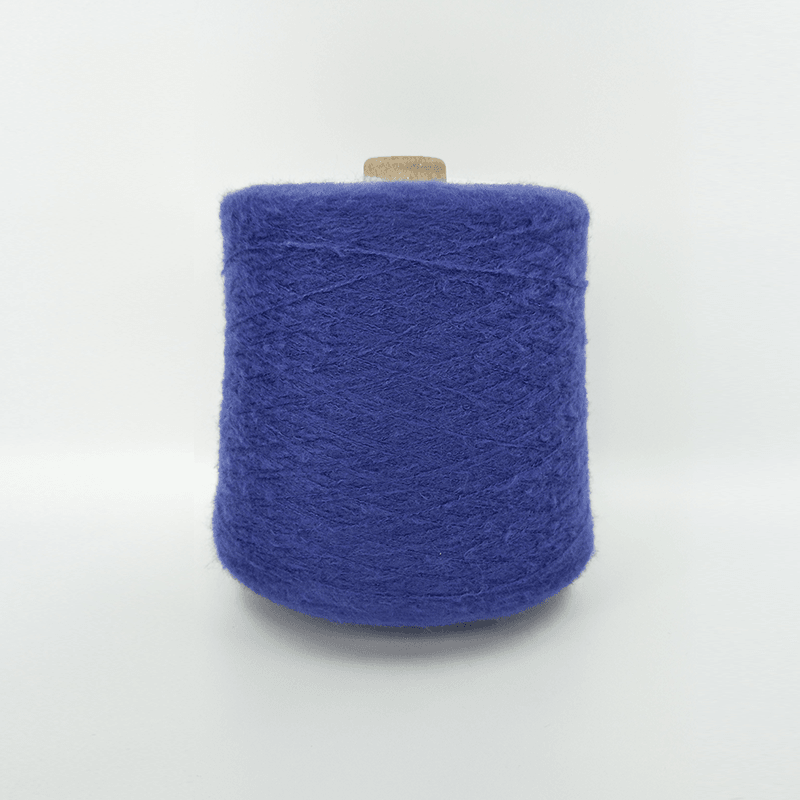
.jpg?imageView2/2/w/800/h/800/format/webp/q/75 "Viscose Core Spun Yarn")

 Click to view
“The company adheres to the business philosophy of 'You Win, I Win' ”
Content
- 1 Structural Advantages Over Regular Yarns
- 2 Superior Elasticity and Recovery Performance
- 3 Enhanced Softness and Bulk in Finished Fabrics
- 4 Improved Fabric Appearance and Consistency
- 5 Durability and Long-Term Wear Resistance
- 6 Moisture Management and Thermal Performance
- 7 Processing Efficiency in Knitting and Weaving
- 8 Comparison of Wooly Core Spun Yarn and Regular Yarn
- 9 Versatility Across Textile Applications
- 10 Cost Efficiency Through Performance Value
- 11 Why Wooly Core Spun Yarn Is a Superior Choice
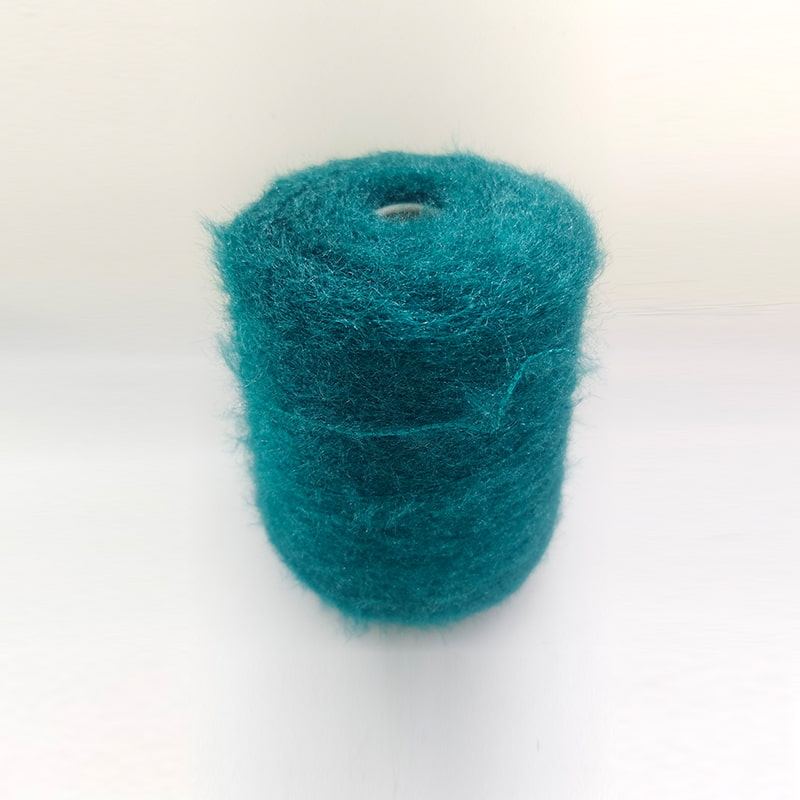
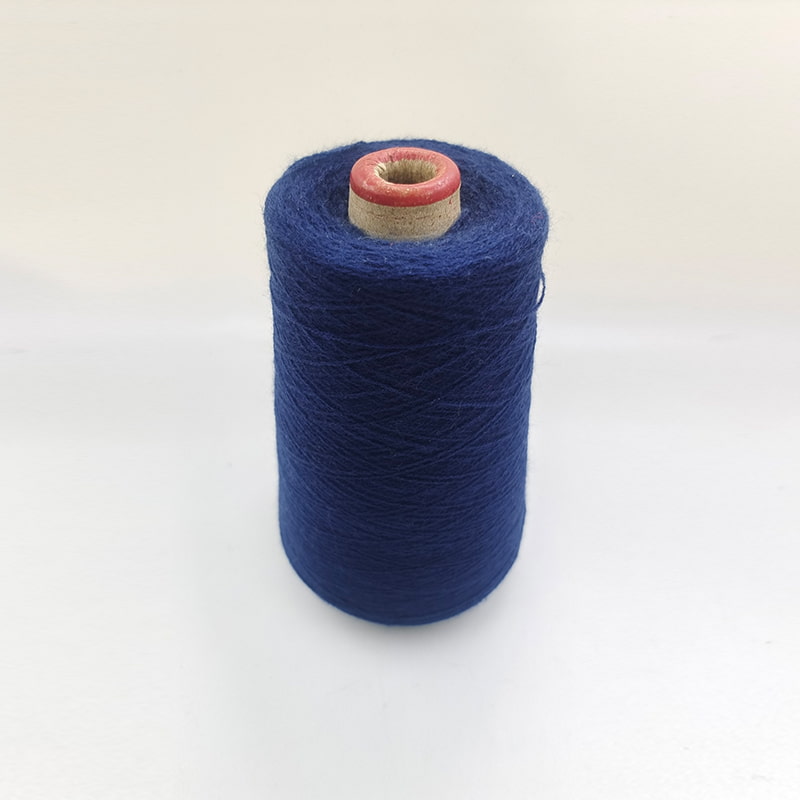
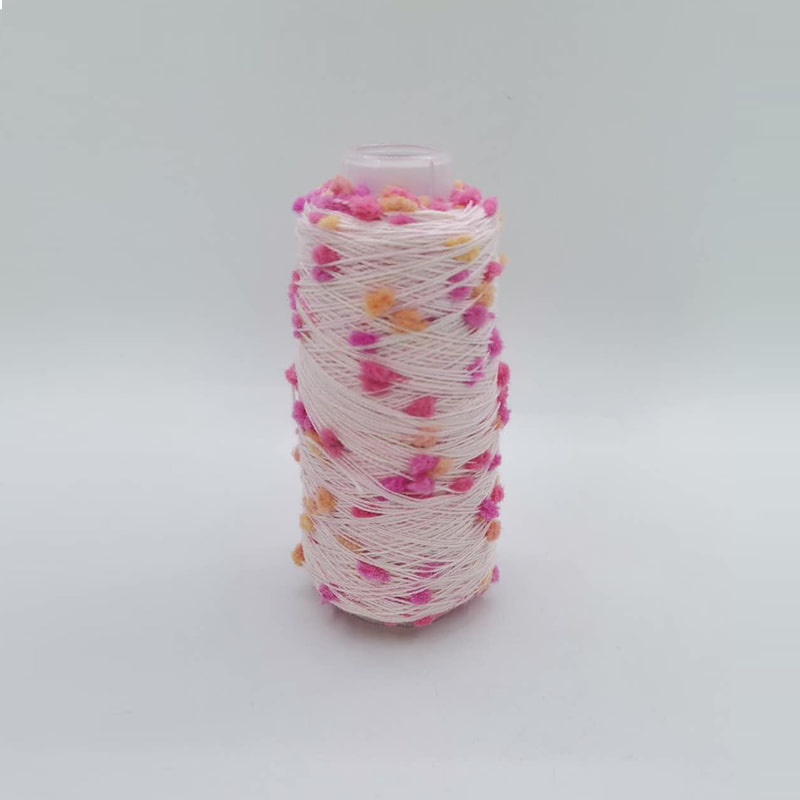
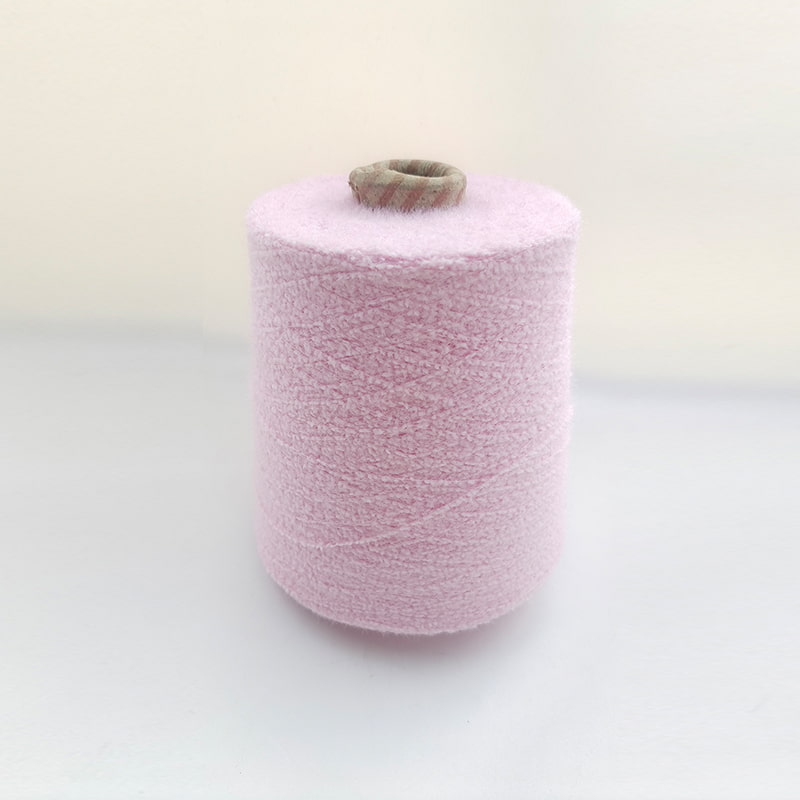
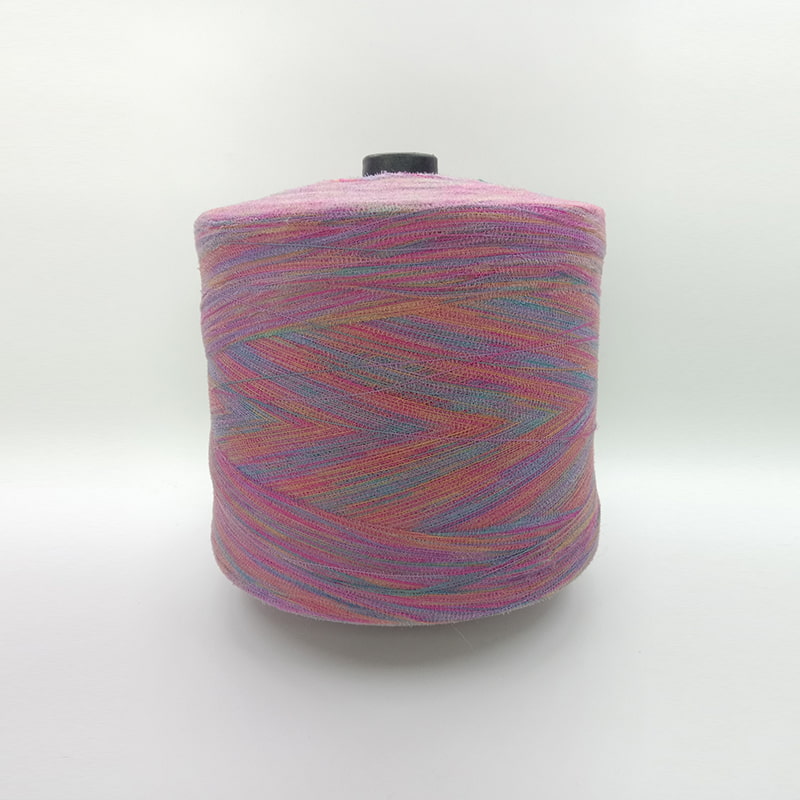
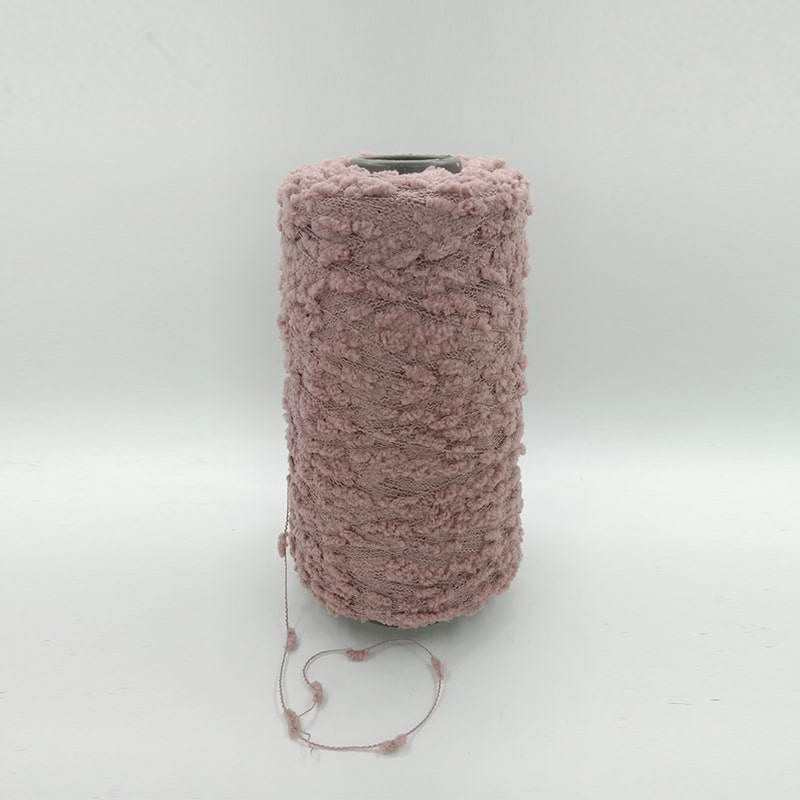
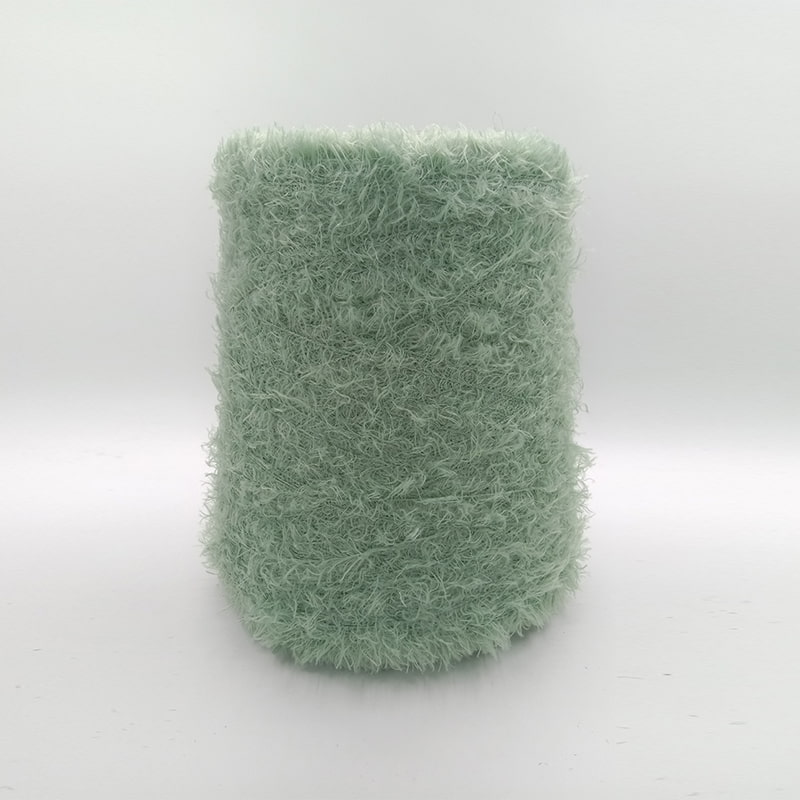
Wooly core spun yarn is a specialized type of composite yarn made by wrapping staple fibers, such as polyester, cotton, wool, or acrylic, around a continuous filament core. The core is usually elastic or high-strength filament yarn, while the outer layer is processed with a wooly or textured effect. This structure combines the strength and elasticity of the filament core with the softness and bulk of staple fibers.
Compared to regular spun yarns, which rely entirely on twisted staple fibers, wooly core spun yarn offers a more engineered construction. This allows it to deliver consistent performance in applications where stretch, recovery, and fabric stability are critical.
Structural Advantages Over Regular Yarns
The most significant difference between wooly core spun yarn and regular yarn lies in its internal structure. Traditional yarns depend solely on fiber twist to hold fibers together, which limits elasticity and long-term durability.
Reinforced Core for Enhanced Strength
The filament core provides continuous strength throughout the yarn length. This makes wooly core spun yarn far more resistant to breakage during weaving, knitting, or sewing. In contrast, regular yarns are more prone to weak points caused by uneven fiber distribution.
.jpg?imageView2/2/w/800/h/800/format/webp/q/75)
Stable Fiber Distribution
Because the outer fibers are wrapped around a stable core, wooly core spun yarn maintains uniform thickness and density. This results in smoother fabric surfaces and fewer defects compared to conventional yarns.
Superior Elasticity and Recovery Performance
Elasticity is one of the defining benefits of wooly core spun yarn. The filament core, often made from spandex or polyester, allows the yarn to stretch and recover repeatedly without losing its shape.
Regular yarns can stretch under tension, but they lack reliable recovery. Over time, fabrics made from standard yarns may deform, sag, or lose their original fit.
- High stretch capability with excellent rebound
- Reduced fabric deformation after repeated use
- Improved garment shape retention
Enhanced Softness and Bulk in Finished Fabrics
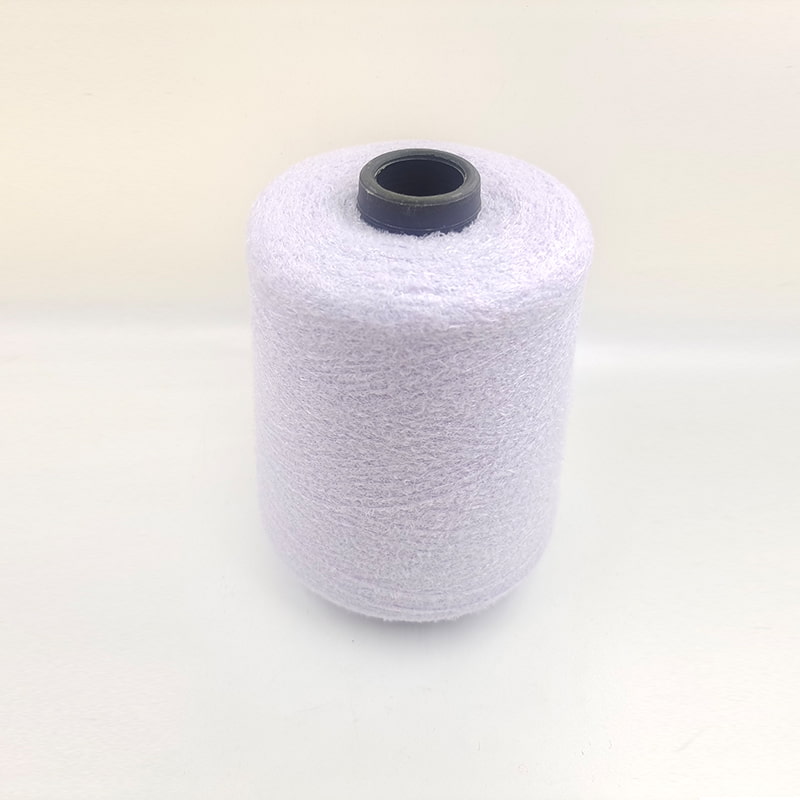
The wooly outer layer gives wooly core spun yarn its characteristic softness and volume. Texturing processes increase fiber loft, creating a fuller and more cushioned feel compared to flat or tightly twisted regular yarns.
This makes wooly core spun yarn especially suitable for garments and textiles that require comfort against the skin, such as underwear, sportswear, knitwear, and elastic fabrics.
Improved Fabric Appearance and Consistency
Fabrics made with wooly core spun yarn often exhibit better surface uniformity. The controlled wrapping of fibers around the core reduces hairiness and uneven yarn thickness.
As a result, knitted and woven fabrics show fewer visual defects, improved stitch definition, and a more refined appearance when compared to fabrics made from regular yarns.
Durability and Long-Term Wear Resistance
Durability is a major consideration in many textile applications. Wooly core spun yarn offers superior abrasion resistance because the filament core absorbs mechanical stress while the outer fibers provide protection and comfort.
Regular yarns, particularly those made from short staple fibers, tend to break down faster under friction, leading to pilling, thinning, and fabric failure.
Moisture Management and Thermal Performance
Depending on the outer fiber selection, wooly core spun yarn can deliver improved moisture absorption and thermal regulation. The wooly structure traps air, providing insulation while still allowing moisture to evaporate.
Compared to dense regular yarns, the bulkier structure of wooly core spun yarn contributes to better temperature balance in garments.
Processing Efficiency in Knitting and Weaving
From a manufacturing perspective, wooly core spun yarn offers smoother processing performance. The strong filament core reduces yarn breakage during high-speed knitting or weaving operations.
This leads to higher production efficiency, less machine downtime, and more consistent fabric quality when compared with regular spun yarns.
Comparison of Wooly Core Spun Yarn and Regular Yarn
| Feature | Wooly Core Spun Yarn | Regular Spun Yarn |
| Elasticity | High, with excellent recovery | Limited, poor recovery |
| Strength | Reinforced by filament core | Dependent on fiber twist |
| Fabric Uniformity | Highly consistent | More variation |
| Durability | Excellent wear resistance | Moderate to low |
Versatility Across Textile Applications
Wooly core spun yarn is widely used in applications where performance and comfort must coexist. These include stretch fabrics, sportswear, underwear, socks, cuffs, waistbands, and technical textiles.
Regular yarns remain suitable for basic fabrics, but they cannot match the functional versatility offered by wooly core spun yarn in demanding end uses.
Cost Efficiency Through Performance Value
Although wooly core spun yarn may have a higher initial cost than regular yarn, its performance benefits often translate into better value. Improved durability, reduced fabric defects, and longer garment lifespan offset the higher material cost.
For manufacturers and brands focused on quality and functionality, wooly core spun yarn provides a strong return on investment.
Why Wooly Core Spun Yarn Is a Superior Choice
When compared to regular yarns, wooly core spun yarn stands out for its structural integrity, elasticity, comfort, and durability. Its engineered design delivers consistent performance that traditional yarn constructions cannot achieve.
For applications where stretch, recovery, and long-term fabric quality matter, wooly core spun yarn offers clear and measurable advantages over regular yarn options.
