

 English
 Español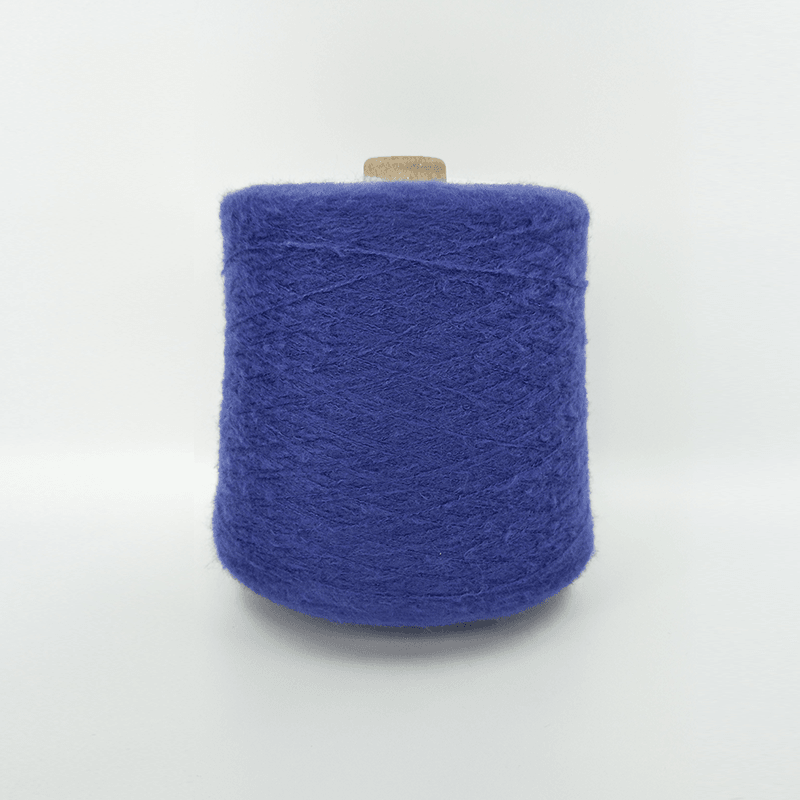
.jpg?imageView2/2/w/800/h/800/format/webp/q/75 "Viscose Core Spun Yarn")

 Click to view
“The company adheres to the business philosophy of 'You Win, I Win' ”
Content
What Is Acrylic Fabric?
When you pick up a soft, affordable sweater and see "100% acrylic" on the label, it helps to know exactly what you are getting. Acrylic fabric is a synthetic textile made from polyacrylonitrile, a polymer derived from petroleum or coal. In simple terms, it is a plastic fiber engineered to feel much like wool, but at a lower cost and with easier care requirements.
To be classified as acrylic, a fiber must contain at least 85% acrylonitrile. The remaining 15% can include other monomers that modify properties such as dyeability, softness, or heat retention. This standard definition means that when you buy acrylic yarn or fabric, you can expect consistent behavior across most products.
Acrylic was first commercialized in the 1950s as a wool substitute. It gained popularity in knitwear and blankets because it is lightweight, warm, and resistant to moths and chemicals. While its reputation has shifted over the years, acrylic remains one of the most widely used synthetic fibers in the world, especially in yarn form for knitting and weaving.
How Is Acrylic Fabric Made?
The production of acrylic fabric begins with acrylonitrile, a chemical compound usually derived from propylene and ammonia. The acrylonitrile is polymerized into long chains of polyacrylonitrile, then dissolved in a solvent to form a thick spinning dope. This dope is extruded through spinnerets to create filaments, which are then stretched, washed, dried, and crimped to mimic natural fiber texture.
Two main spinning methods are used: wet spinning and dry spinning. Wet spinning passes the dope through a chemical bath; dry spinning uses hot air to evaporate the solvent. Both methods produce fibers that can be cut into short staple lengths and spun into acrylic yarn. The yarn can be dyed at different stages—before spinning, as in fiber-dyed or solution-dyed yarn, or after spinning. Fiber-dyed yarns, also called melange or color-spun yarns, tend to have deeper color penetration and better colorfastness.
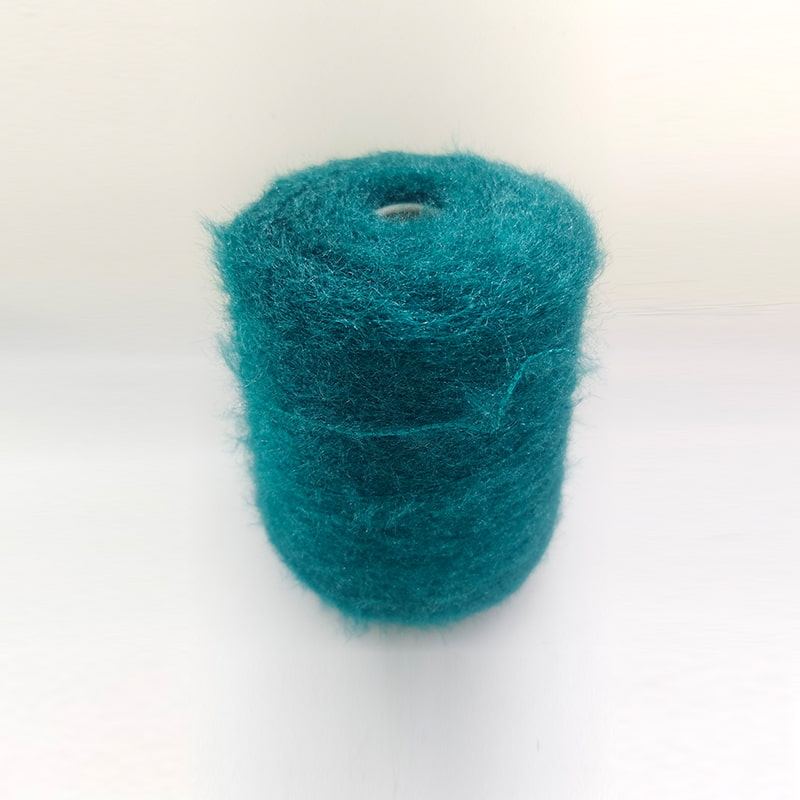
A key variation is high-bulky acrylic yarn, where the fiber blend includes distinct shrink levels. When heat-treated, the high-shrink component pulls the low-shrink component into a wavy, voluminous structure. This produces a light, fluffy yarn that retains warmth without adding heavy weight. For knitters and fabric manufacturers, high-bulky acrylic yarn is a proven way to achieve that effect.
-2.jpg?imageView2/2/w/800/h/800/format/webp/q/75) Custom High Bulky Acrylic Yarn Suppliers,FactorySuzhou RHZ Textile Technology Co., Ltd. is China Custom High Bulky Acrylic Yarn Suppliers,Factory,High Bulky Acrylic Yarn is produced by...View Product →
Custom High Bulky Acrylic Yarn Suppliers,FactorySuzhou RHZ Textile Technology Co., Ltd. is China Custom High Bulky Acrylic Yarn Suppliers,Factory,High Bulky Acrylic Yarn is produced by...View Product →Key Properties of Acrylic Fabric
Acrylic fabric has a distinct set of properties that make it practical for many end uses:
- Softness: Acrylic fibers can be engineered with different cross-sections and finishes to feel soft and smooth, often close to cashmere or merino wool.
- Warmth without weight: The hollow or shaped fibers trap air, providing good insulation. High-bulky varieties increase this effect.
- Quick drying: Acrylic absorbs very little moisture compared to wool, so garments dry quickly and resist shrinking.
- Color retention: Solution-dyed and fiber-dyed acrylic hold color well, and many acrylic yarns resist fading from sunlight better than some natural fibers.
- Moth and chemical resistance: Unlike wool, acrylic does not attract moths and is resistant to many household chemicals.
- Pilling risk: Lower-quality acrylic is prone to pilling, especially if the fibers are short or the twist is low. Anti-pilling versions use longer staples and special treatments to keep the surface smooth.
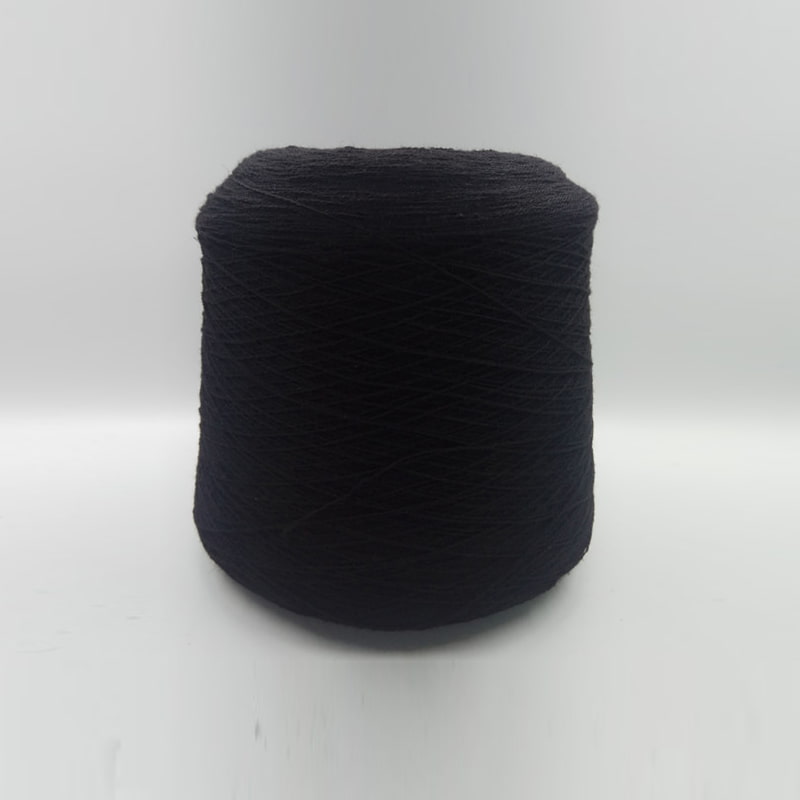
For garments that must withstand repeated washing, an anti-pilling acrylic core-spun yarn is worth specifying. The core provides strength while the acrylic sheath gives the desired hand, so the fabric keeps its appearance for significantly longer.
.jpg?imageView2/2/w/800/h/800/format/webp/q/75) Custom Anti-pilling Acrylic Core Spun Yarn Suppliers,FactorySuzhou RHZ Textile Technology Co., Ltd. is China Custom Anti-pilling Acrylic Core Spun Yarn Suppliers,Factory,Different from Acrylic Cor...View Product →
Custom Anti-pilling Acrylic Core Spun Yarn Suppliers,FactorySuzhou RHZ Textile Technology Co., Ltd. is China Custom Anti-pilling Acrylic Core Spun Yarn Suppliers,Factory,Different from Acrylic Cor...View Product →Acrylic Fabric vs. Wool: A Practical Comparison
How does acrylic stack up against wool for everyday use? The table below summarizes the most important differences.
| Criterion | Acrylic | Wool |
|---|---|---|
| Warmth | Good insulation, especially in high-bulky form | Excellent natural insulation |
| Softness | Can be engineered to be very soft | Depends on fiber diameter; range from itchy to luxurious |
| Moisture management | Low absorbency; dries quickly | Absorbs moisture well; can feel damp when wet |
| Care | Machine washable with care; low risk of shrinkage | Often requires hand wash or dry clean |
| Durability | Good strength; can pill if low quality | Naturally elastic and resilient |
| Price | Generally lower and more stable | More expensive, especially fine grades |
This comparison explains why many brands choose acrylic for affordable fashion, children's wear, and home textiles. It also shows why manufacturers invest in anti-pilling and high-bulky variants to close the gap with wool.
Common Uses of Acrylic Fabric
Acrylic fabric appears across a wide range of products. In apparel, it is common in sweaters, cardigans, socks, gloves, and scarves. In home textiles, you find it in blankets, throws, cushion covers, and upholstery. Because it resists mildew and UV damage, acrylic is also used in outdoor furniture fabric, awnings, and boat covers.
For manufacturers, choosing the right yarn form matters. Knitted fabrics made from acrylic yarns can be soft and drape well; woven fabrics benefit from acrylic's strength and colorfastness. Our product range includes specific types such as high-bulky acrylic for winter knitwear, solid acrylic yarn for clean single-color designs, and core-spun options for added elasticity and durability.
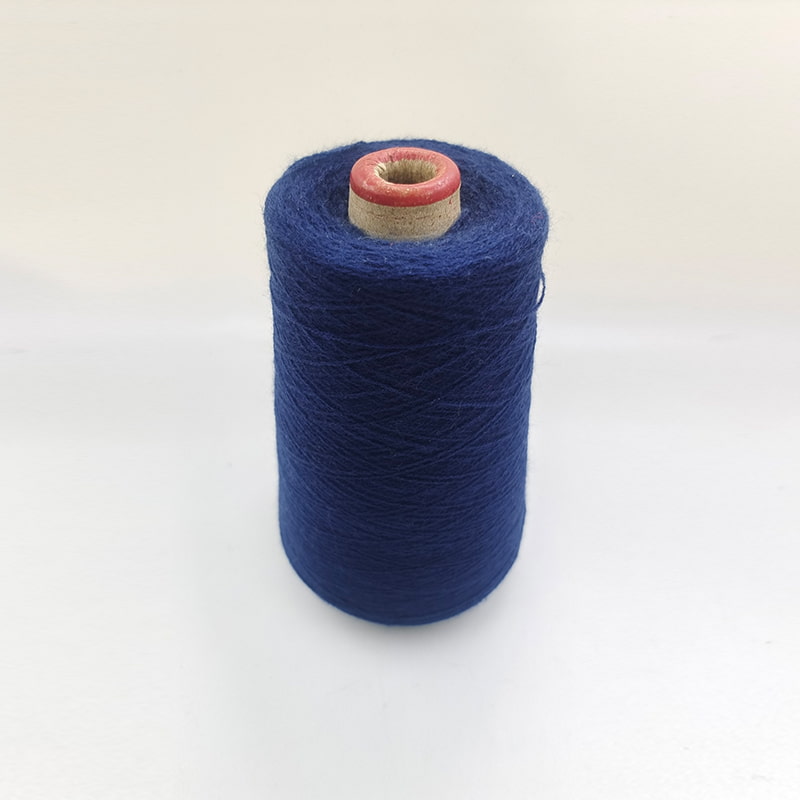
For outdoor applications, an acrylic outdoor yarn is designed to withstand sun, moisture, and temperature changes. Weaving with an acrylic outdoor yarn produces panels that keep their shape and color when used in garden furniture and vehicle interiors.
.jpg?imageView2/2/w/800/h/800/format/webp/q/75) Custom Acrylic Outdoor Yarn Suppliers,FactorySuzhou RHZ Textile Technology Co., Ltd. is China Custom Acrylic Outdoor Yarn Suppliers,Factory,Acrylic fabric is a type of fabric made f...View Product →
Custom Acrylic Outdoor Yarn Suppliers,FactorySuzhou RHZ Textile Technology Co., Ltd. is China Custom Acrylic Outdoor Yarn Suppliers,Factory,Acrylic fabric is a type of fabric made f...View Product →How to Care for Acrylic Fabric
Acrylic fabric is relatively easy to care for, but heat is its enemy. Always check the label. General guidelines:
- Machine wash on a gentle cycle with cold or warm water (max 30–40°C).
- Use a mild detergent; avoid fabric softeners that can coat the fibers.
- Do not tumble dry on high heat. Flat dry or hang to dry away from direct sunlight.
- Iron on low temperature if needed, but use a pressing cloth to avoid shine.
- Store folded rather than on hangers to prevent stretching.
Environmental and Health Considerations
Acrylic fabric, like most petroleum-based synthetics, has an environmental footprint. Its production consumes non-renewable resources and requires significant energy. When washed, acrylic fibers can release microplastic particles into waterways. And unlike wool, acrylic does not biodegrade quickly, so discarded garments remain in landfills for a long time.
However, the industry is responding. Some makers use recycled acrylic or blend it with natural fibers to reduce waste. For buyers, the most practical step is to choose higher-quality acrylic items that last longer and can be worn more often. A durable, well-made garment is always more sustainable than a cheap one that pills and is discarded after a few washes.
At the yarn level, selecting a supplier with stable production processes can also reduce waste. Careful control of spinning tension and evenness reduces defects and improves fabric yield.
How to Choose Quality Acrylic Yarn
Choosing the right acrylic yarn for a commercial project involves more than price. Check the fiber length, yarn count, twist level, and colorfastness. A supplier that controls these variables with modern equipment can save you from costly defects in the final fabric.
As a yarn manufacturer with over two decades of industry experience, we recommend asking for a pre-production sample before committing to a large order. You should also clarify the intended end use—knitwear, woven fabric, or outdoor textiles—because each application calls for a different yarn structure. A brief introduction of acrylic yarn can help you understand the main categories and terminology.
To see how we control quality across our production line, you can visit our about page. If you are developing a new fabric or need guidance on yarn selection, contact our team with your specifications.
