

 English
 Español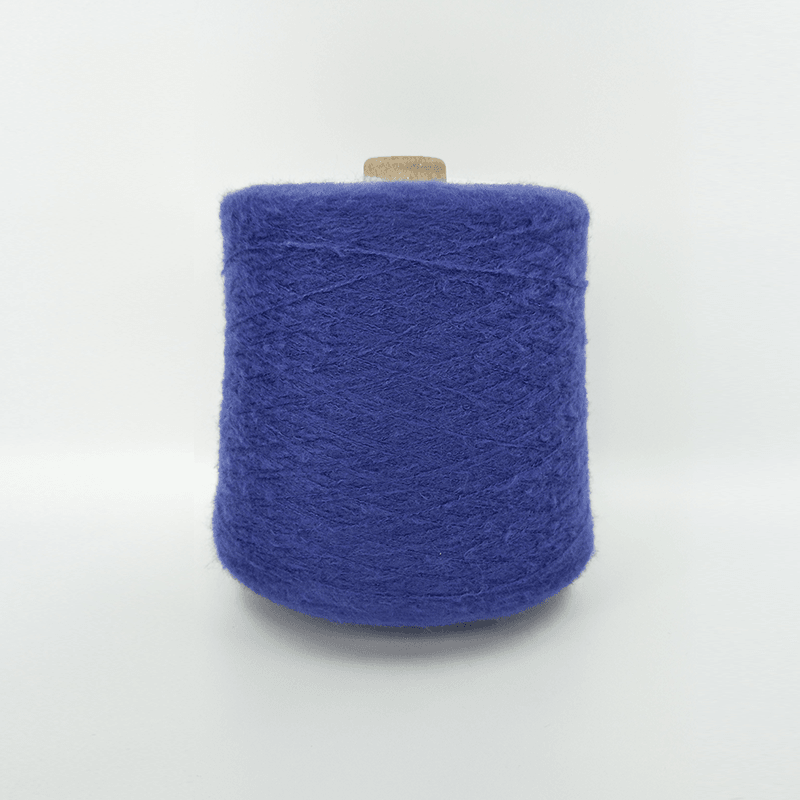
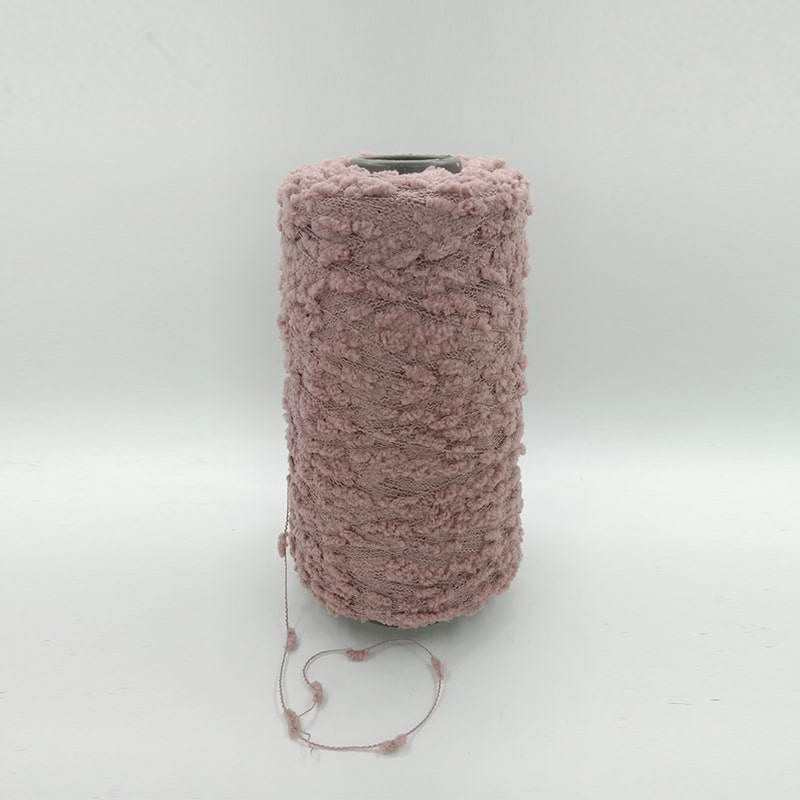
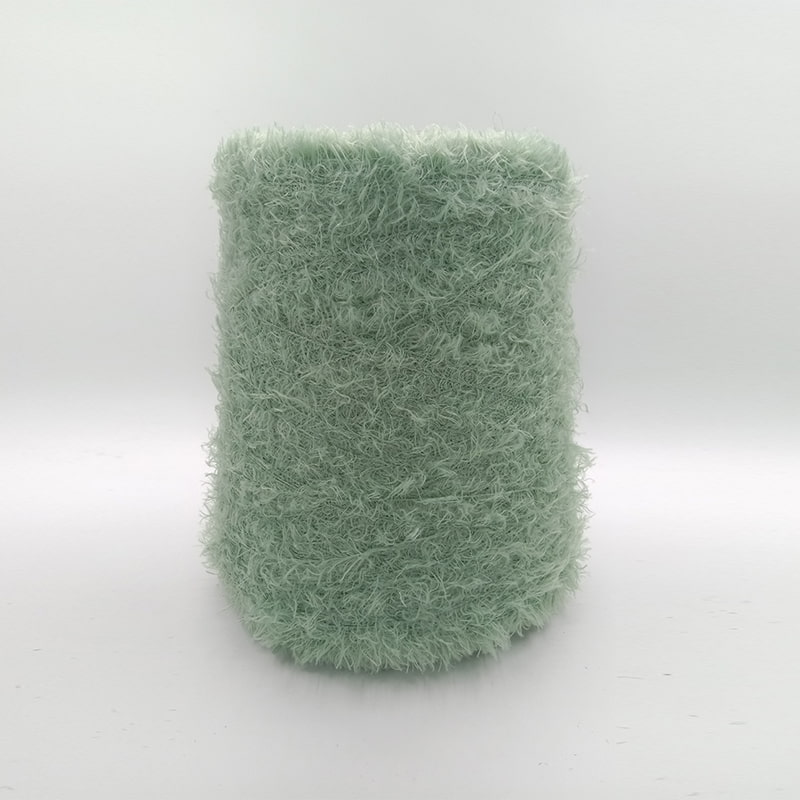
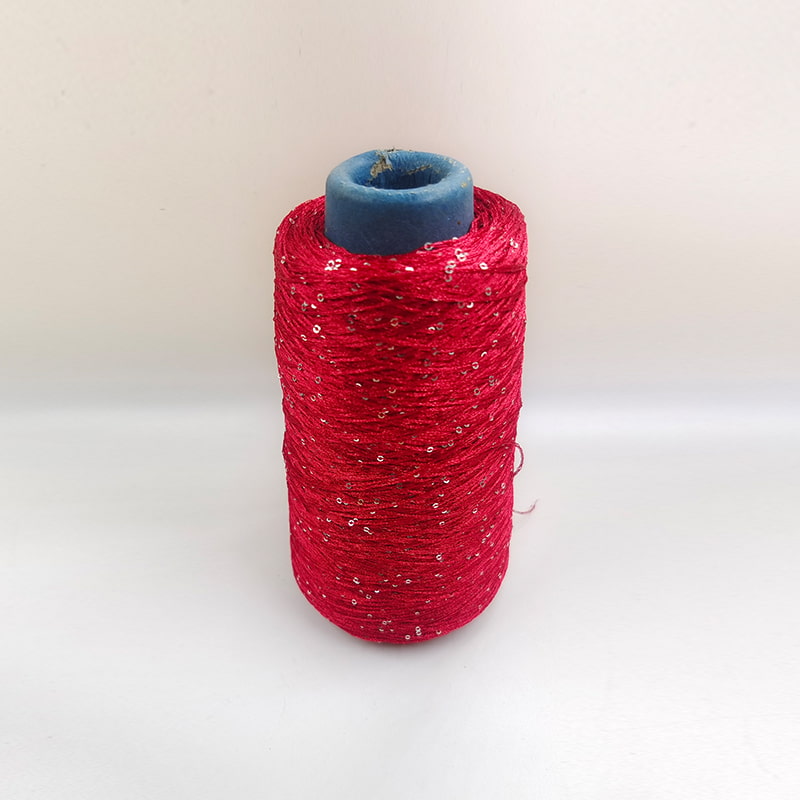
.jpg?imageView2/2/w/800/h/800/format/webp/q/75 "Viscose Core Spun Yarn")

 Click to view
“The company adheres to the business philosophy of 'You Win, I Win' ”
Content
- 1 Fiber Preparation Methods Define the Fundamental Difference
- 2 Spinning Techniques and Yarn Structure Characteristics
- 3 Visual and Tactile Differences Between Yarn Types
- 4 Performance Properties and Functional Differences
- 5 Fiber Requirements and Material Efficiency
- 6 Ideal Applications for Each Yarn Type
- 7 Care and Maintenance Considerations
- 8 Semi-Worsted and Wooly Core Spun Innovations
- 9 Economic and Production Efficiency Factors
- 10 Making the Right Choice for Your Project
Fiber Preparation Methods Define the Fundamental Difference
The primary distinction between worsted and woolen spun yarns originates in the fiber preparation stage, long before the actual spinning process begins. Worsted spinning relies on combing, a meticulous process that aligns fibers parallel to each other while removing short fibers, neps, and vegetable matter. This combing process uses specialized machinery with fine pins that straighten the fibers and eliminate anything shorter than a predetermined length, typically around 3 inches for wool. The result is a sliver composed of long, parallel fibers all oriented in the same direction, creating what the industry calls "top." This preparation produces smooth, dense yarns with exceptional clarity of stitch definition.
Woolen spinning takes a dramatically different approach to fiber preparation, utilizing carding rather than combing. The carding process employs cylindrical drums covered with fine wire teeth that tease fibers apart and mix them thoroughly without attempting to align them in any particular direction. Short and long fibers remain blended together, and the fibers emerge from carding in a jumbled, multi-directional arrangement within the carded sliver. This preparation method embraces the natural crimp and waviness of wool fibers, creating a lofty, airy structure that traps substantial amounts of air. Wooly core spun yarn often incorporates woolen-spun principles in the outer sheath to achieve specific textural and insulation properties while maintaining a structural core.
Spinning Techniques and Yarn Structure Characteristics
Worsted spinning operates with fibers under controlled tension, maintaining the parallel alignment established during combing throughout the entire spinning process. The drafting zone in worsted spinning is precisely controlled, with multiple sets of rollers moving at different speeds to thin the fiber ribbon gradually while preserving fiber orientation. Twist is inserted into this aligned fiber structure at relatively low levels compared to woolen spinning, as the parallel fibers require less twist to hold together. The resulting yarn exhibits a smooth surface with minimal hairiness, where individual fibers lie predominantly parallel to the yarn axis, creating a compact, dense structure with excellent strength and durability.
Woolen spinning introduces twist into a loosely prepared, jumbled mass of fibers with minimal drafting control, allowing fibers to arrange themselves naturally during the spinning process. The fibers maintain their random, multi-directional orientation, creating a yarn structure where fibers point in all directions rather than running parallel to the yarn axis. This chaotic arrangement traps air pockets throughout the yarn structure, producing the characteristic loft and warmth associated with woolen-spun products. Higher twist levels are typically required in woolen spinning to secure the randomly arranged fibers, yet the yarn remains softer and more elastic than worsted yarn due to the fiber crimps and air spaces within the structure.
.jpg)
Visual and Tactile Differences Between Yarn Types
Worsted yarns present a distinctly smooth, sleek appearance with a subtle sheen that reflects light uniformly along the yarn length. The parallel fiber alignment creates a uniform diameter and surface texture that feels smooth and somewhat firm to the touch. When examined closely, worsted yarns show minimal surface fuzz or protruding fiber ends, as the combing process removed short fibers and the spinning technique kept long fibers aligned. Knitted or woven fabrics made from worsted yarns display crisp stitch or weave definition with clear pattern details, making them ideal for textured stitch patterns, cables, and intricate colorwork where stitch clarity is essential.
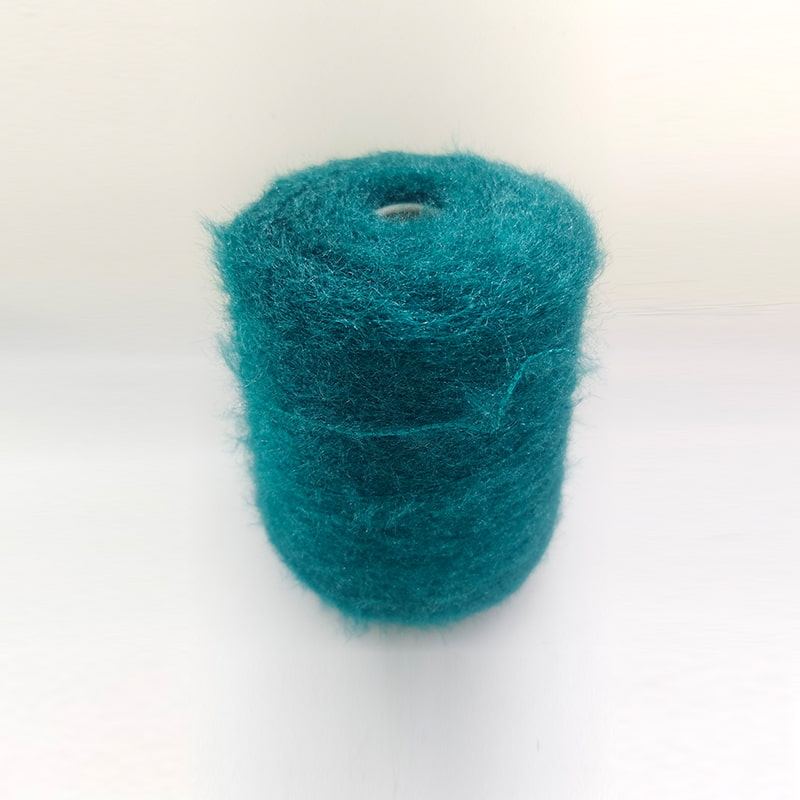
Woolen yarns exhibit a softer, fuzzier appearance with a matte surface that diffuses light rather than reflecting it uniformly. The random fiber orientation creates a slightly irregular yarn diameter with numerous fiber ends protruding from the yarn surface, giving it a characteristic halo effect. This surface texture feels softer, warmer, and more compressible compared to worsted yarn of similar weight. Fabrics created from woolen yarns show a somewhat blurred stitch or weave definition, as the fuzzy halo fills spaces between stitches or threads, creating a cohesive fabric surface. This characteristic makes woolen yarns less suitable for intricate stitch patterns but excellent for creating unified fabric surfaces with superior warmth and drape.
| Characteristic | Worsted Spun Yarn | Woolen Spun Yarn |
| Fiber Alignment | Parallel, highly organized | Random, multi-directional |
| Surface Texture | Smooth, minimal fuzz | Fuzzy, hairy halo |
| Yarn Density | Compact, dense structure | Lofty, air-filled structure |
| Stitch Definition | Crisp, clear patterns | Soft, blurred patterns |
| Warmth-to-Weight | Lower insulation value | Superior insulation |
| Durability | Higher abrasion resistance | Moderate, pills more easily |
| Elasticity | Less elastic, more stable | More elastic, flexible |
Performance Properties and Functional Differences
Worsted yarns deliver superior strength and abrasion resistance due to their parallel fiber alignment and compact structure. The long, aligned fibers distribute stress evenly throughout the yarn when tension is applied, preventing premature failure and extending the lifespan of garments and textiles. This durability makes worsted yarns the preferred choice for items subjected to frequent wear and washing, such as suitings, dress trousers, and hard-wearing sweaters. The smooth surface resists pilling better than woolen yarns because there are fewer short fibers to work their way to the surface and form pills. However, worsted yarns provide less insulation per unit weight because their dense structure contains less trapped air.
Woolen yarns excel in thermal insulation and softness, trapping air within their lofty structure to create excellent warmth-to-weight ratios. The random fiber arrangement and air pockets act as effective insulators, making woolen yarns ideal for cold-weather garments where warmth is the primary consideration. The elasticity of woolen yarns, derived from the natural crimp of randomly oriented fibers, allows fabrics to stretch and recover, creating comfortable, forgiving garments that move with the body. However, this same loose structure makes woolen yarns more susceptible to pilling, as short fibers migrate to the fabric surface during wear and form characteristic balls of tangled fiber. Wooly core spun yarns attempt to capture the best attributes of both systems by using woolen-prepared fibers in the outer layer for warmth and softness while maintaining structural integrity through a strong core.
Fiber Requirements and Material Efficiency
Worsted spinning demands high-quality, long-staple fibers to achieve optimal results, as the combing process removes all fibers below a certain length threshold. Premium wool breeds such as Merino, Rambouillet, and Corriedale with staple lengths exceeding 3 inches are preferred for worsted processing. This selectivity means that a significant portion of the raw fiber becomes waste during combing, typically 15-25% of the original fleece weight is removed as noils or short fibers. While this waste can be repurposed for woolen spinning or other applications, it represents a material efficiency consideration and contributes to the higher cost of worsted yarns. The requirement for long, uniform fibers also limits the range of wool types suitable for worsted processing.
Woolen spinning accepts a much broader range of fiber qualities and lengths, making it inherently more material-efficient and economical. Short fibers that would be rejected during worsted combing become valuable components in woolen yarns, where they contribute to the characteristic loft and softness. This inclusivity allows woolen mills to process diverse fiber sources including shorter-stapled breeds, recycled fibers, and materials that would be unsuitable for worsted processing. The carding process generates minimal waste compared to combing, typically only removing vegetable matter and heavily contaminated fibers. This efficiency contributes to the traditionally lower cost of woolen yarns, though premium woolen yarns using high-quality fibers can command substantial prices based on their softness and performance characteristics.
Ideal Applications for Each Yarn Type
Worsted yarns dominate applications where fabric durability, stitch definition, and formal appearance are priorities. The suiting industry relies almost exclusively on worsted fabrics for business attire, as the smooth surface, crisp drape, and resistance to pilling maintain a professional appearance through repeated wear and cleaning. Dress socks, formal sweaters, and garments featuring intricate cable or lace patterns benefit from worsted yarn's clear stitch definition, allowing pattern details to remain visible and crisp. Upholstery and home furnishing textiles frequently use worsted yarns where abrasion resistance and shape retention are essential for longevity. Summer-weight garments also favor worsted yarns because their dense structure and smooth surface provide less insulation, making them comfortable in warmer conditions.
- Woolen yarns excel in cold-weather outerwear such as traditional tweeds, overcoats, and heavy sweaters where maximum warmth and weather resistance are required
- Blankets and throws leverage woolen yarn's superior insulation and soft hand to create cozy, comfortable textiles for home use
- Baby and children's garments often use woolen yarns for their exceptional softness and gentle texture against sensitive skin
- Rustic, textured knitwear embraces woolen yarn's fuzzy halo and soft stitch definition to create relaxed, casual garments with superior comfort
- Felting projects specifically require woolen-spun yarn because the loose fiber structure and protruding fibers facilitate the felting process
Care and Maintenance Considerations
Worsted yarn garments generally withstand washing and mechanical stress better than woolen counterparts, though both require appropriate care to maintain their quality. The smooth, compact structure of worsted yarns resists felting more effectively during washing, as the parallel fibers have fewer opportunities to tangle and lock together. Many worsted wool garments can tolerate gentle machine washing on wool cycles, though hand washing remains the safest approach for valuable items. The resistance to pilling means that worsted garments maintain their appearance longer with minimal maintenance beyond regular cleaning. However, the dense structure can make worsted fabrics somewhat less forgiving of wear creases and wrinkles, sometimes requiring pressing or steaming to restore a crisp appearance.
Woolen yarn garments demand more careful handling during cleaning to prevent felting, shrinkage, and excessive pilling. The loose fiber structure and protruding fibers make woolen fabrics particularly susceptible to felting when subjected to heat, moisture, and agitation simultaneously. Hand washing in cool water with minimal agitation represents the safest cleaning method for valuable woolen garments. The tendency toward pilling requires regular maintenance with fabric shavers or sweater combs to remove fiber balls and maintain appearance. However, woolen fabrics often require less frequent washing than worsted because the lofty structure releases dirt more readily and the naturally occurring lanolin in wool provides some soil resistance. Many traditional woolen garments benefit from airing and spot cleaning rather than full washing.
Semi-Worsted and Wooly Core Spun Innovations
The textile industry has developed intermediate processing methods that blend characteristics of worsted and woolen spinning to create yarns with specific performance profiles. Semi-worsted spinning uses fibers that have been carded but not fully combed, removing some short fibers and achieving partial alignment without the expense and fiber loss associated with full worsted combing. These yarns exhibit smoother surfaces than true woolen yarns while retaining more loft and softness than fully worsted products. Semi-worsted processing allows manufacturers to produce yarns from medium-staple fibers that would be too short for traditional worsted processing but longer than typical woolen fiber sources.
Wooly core spun yarn represents another innovative approach that combines structural elements from both traditions with modern core-spinning technology. In this construction, a strong filament core provides structural integrity and dimensional stability while woolen-prepared staple fibers form the outer sheath, delivering the characteristic softness, warmth, and fuzzy texture of woolen yarns. This hybrid approach addresses traditional woolen yarn limitations regarding strength and durability while preserving the thermal and tactile properties that make woolen yarns desirable for comfort applications. The core can be synthetic for maximum strength and elastic recovery, or natural fibers for specific performance or sustainability requirements, while the woolen outer layer provides the aesthetic and functional surface characteristics.
Economic and Production Efficiency Factors
Worsted yarn production requires substantial capital investment in specialized combing equipment and typically operates at slower speeds due to the precise fiber handling necessary to maintain alignment throughout processing. The combing stage alone represents a significant cost component, both in terms of equipment and the fiber waste generated. However, worsted spinning lines can achieve very fine yarn counts with excellent consistency, commanding premium prices in markets valuing quality and uniformity. The longer processing sequence from raw fiber to finished yarn increases inventory costs and working capital requirements. Despite these factors, worsted yarn production remains economically viable for applications where consumers value the specific characteristics and are willing to pay premium prices for superior performance and appearance.
Woolen spinning operations generally require less capital investment and can process fiber more rapidly, as carding is simpler and faster than combing, and the woolen spinning process tolerates greater variation in fiber preparation. The higher material efficiency means that more of the raw fiber becomes saleable yarn rather than waste, improving raw material economics. These factors traditionally made woolen yarns more economical than worsted counterparts, though the price differential has narrowed as premium woolen yarns featuring high-quality fibers and specialized processing have entered the market. Woolen mills can more easily adapt to process diverse fiber sources, providing flexibility to source materials opportunistically based on price and availability rather than being constrained to specific fiber grades.
Making the Right Choice for Your Project
Selecting between worsted and woolen spun yarns requires careful consideration of the intended application's priorities and requirements. For projects where stitch definition, durability, and formal appearance are paramount, worsted yarns provide superior performance and will maintain their appearance through extended use and cleaning. The investment in worsted yarns pays dividends in garments requiring longevity and consistent appearance, particularly professional attire and items subject to heavy wear. The smooth surface and clear stitch definition make worsted yarns ideal for showcasing complex stitch patterns, colorwork, and textured designs where pattern clarity is essential to the aesthetic impact.
Woolen yarns represent the optimal choice when warmth, softness, and comfort take precedence over formal appearance and maximum durability. The superior insulation and gentle texture make woolen yarns perfect for cozy sweaters, blankets, and cold-weather accessories where the fuzzy halo and soft hand enhance rather than detract from the intended aesthetic. Projects featuring solid colors or simple stitch patterns benefit from woolen yarn's ability to create unified fabric surfaces without stark stitch definition. Understanding these fundamental differences empowers knitters, weavers, and textile manufacturers to select the spinning method that best aligns with their specific performance requirements, aesthetic goals, and budget constraints, ensuring optimal results for every application.
