

 English
 Español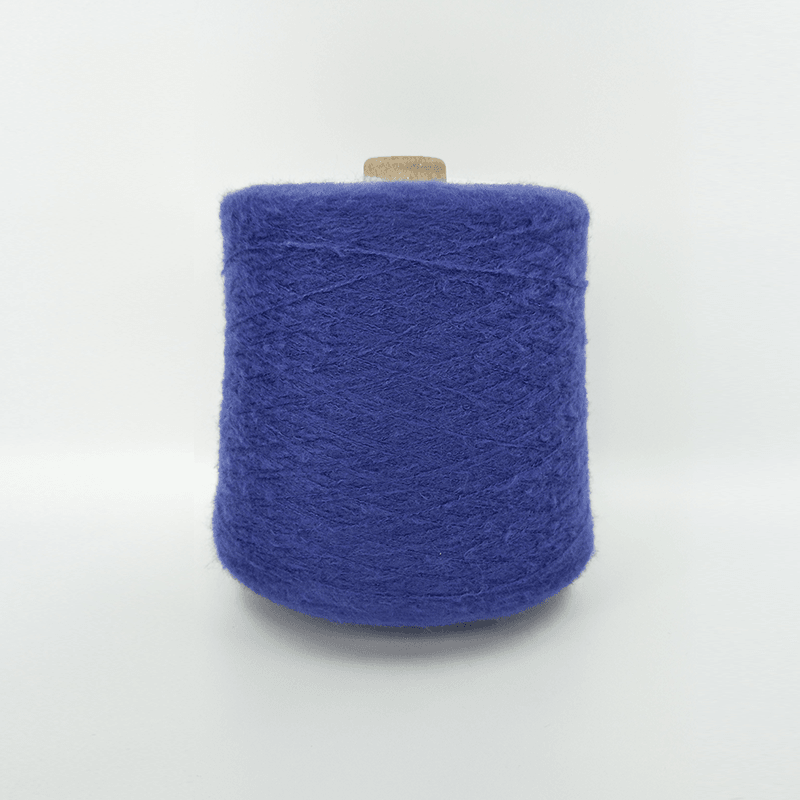
.jpg?imageView2/2/w/800/h/800/format/webp/q/75 "Viscose Core Spun Yarn")

 Click to view
“The company adheres to the business philosophy of 'You Win, I Win' ”
Content
- 1 What Is Core Spun Yarn and How Is It Made?
- 2 The Structural Advantages of Core Spun Yarn
- 3 Common Types of Core Spun Yarn by Core Material
- 4 Core Spun Yarn vs. Conventional Yarn: A Practical Comparison
- 5 Major Applications Across Industries
- 6 How to Evaluate Core Spun Yarn Quality
- 7 Sustainability Considerations in Core Spun Yarn Production
What Is Core Spun Yarn and How Is It Made?
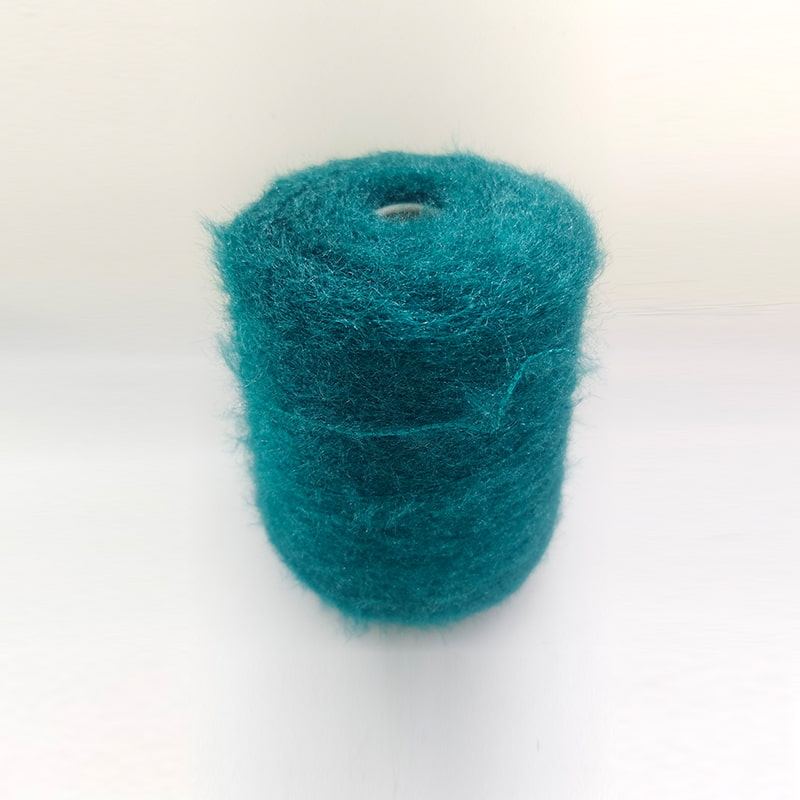
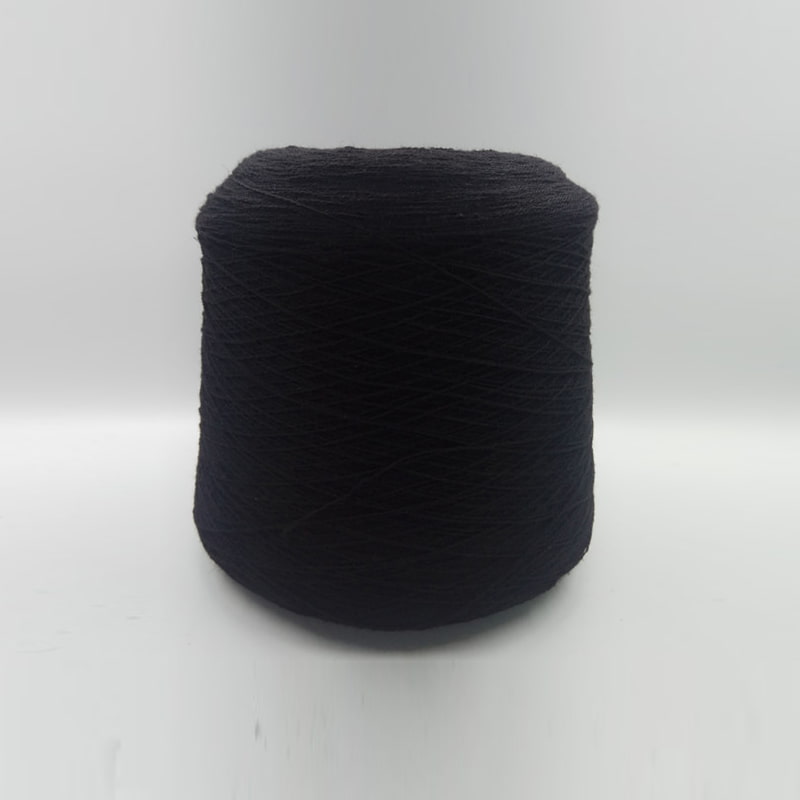
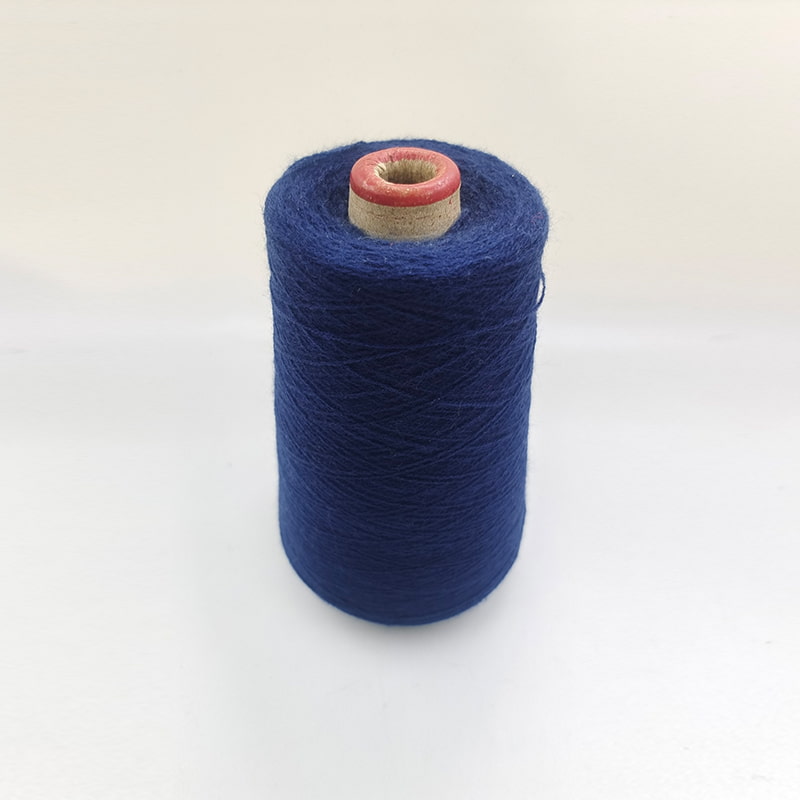
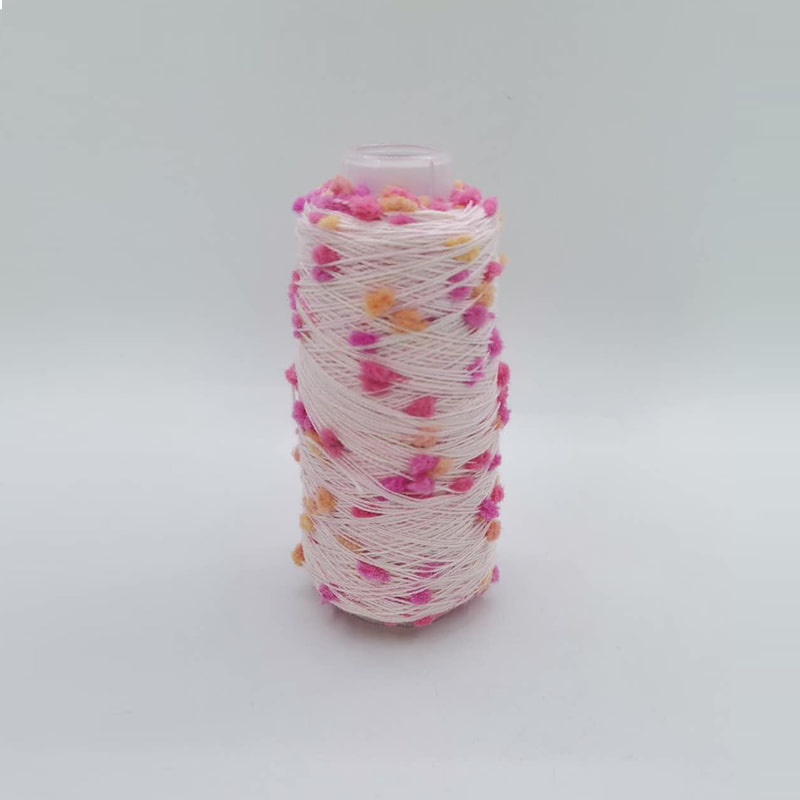
Core spun yarn is a specialized textile yarn constructed by wrapping an outer layer of fibers — such as cotton, polyester, or wool — around a central core, which is typically made from a strong, elastic, or high-tenacity material like spandex, polyester filament, or steel wire. The result is a yarn that combines the surface characteristics of the outer fiber with the structural or functional properties of the inner core. This dual-layer construction is what sets core spun yarn apart from conventional single-component yarns and makes it one of the most versatile materials in the textile industry.
The manufacturing process begins by feeding the core material — under controlled tension — into a spinning frame while the outer fibers are simultaneously drafted and twisted around it. This simultaneous twisting ensures that the sheath fibers are firmly bound to the core, preventing separation during use. The degree of twist, the tension applied to the core, and the fiber blend used in the sheath all influence the final yarn's performance, texture, and application suitability. Modern ring spinning, open-end spinning, and air-jet spinning technologies are all capable of producing core spun yarns, each delivering slightly different structural characteristics.
The Structural Advantages of Core Spun Yarn
The defining benefit of core spun yarn lies in its engineered construction. By separating the functional role of the core from the aesthetic or tactile role of the sheath, manufacturers can precisely engineer performance properties that would be impossible to achieve with a single fiber type. This results in several structural advantages:
- High tensile strength: A polyester or nylon filament core provides exceptional breaking strength, making the yarn resistant to snapping even under heavy load or repeated stress.
- Elasticity and stretch recovery: When spandex (elastane) is used as the core, the yarn gains significant stretch — often 400–600% elongation — while returning to its original length after release, which is essential for form-fitting garments.
- Improved abrasion resistance: The sheath fibers protect the core from surface wear, while the core reinforces the sheath against tearing, creating a mutually protective structure.
- Dimensional stability: Core spun constructions resist shrinkage and distortion better than loosely spun staple yarns, especially after repeated washing and drying cycles.
- Consistent diameter: The core acts as a structural backbone, producing a more uniform yarn diameter compared to purely staple-fiber yarns, which is critical in high-speed knitting and weaving operations.
Common Types of Core Spun Yarn by Core Material
The type of core material used determines the primary functional characteristic of the yarn. Different industries and applications call for different core compositions. The most commercially significant types are outlined below:
| Core Material | Sheath Fiber | Primary Use | Key Property |
| Spandex (Elastane) | Cotton, polyester | Activewear, denim, hosiery | Stretch and recovery |
| Polyester Filament | Cotton, viscose | Sewing thread, workwear | Strength and durability |
| Stainless Steel Wire | Aramid, glass fiber | Cut-resistant gloves, protective gear | Cut and puncture resistance |
| Glass Fiber | Polyester, nylon | Filtration, technical textiles | Heat and chemical resistance |
| Carbon Fiber | Polyamide, aramid | Aerospace, composites | Lightweight high strength |
Core Spun Yarn vs. Conventional Yarn: A Practical Comparison
Understanding how core spun yarn compares to standard staple or filament yarns helps clarify why it commands a premium in many applications. Conventional staple yarns — such as carded or combed cotton — are composed entirely of short fibers twisted together, which limits their tensile strength and stretch. Filament yarns, made from continuous synthetic fibers, offer strength but often lack the soft, natural feel that many end products require.
Core spun yarn effectively bridges this gap. A cotton-wrapped spandex core yarn, for instance, delivers the breathable, soft hand-feel of cotton on the outside while providing the stretch and recovery of spandex within. Compared to a purely cotton yarn, it stretches without breaking seams; compared to a purely synthetic yarn, it is far more comfortable against the skin. This hybrid performance profile is precisely why core spun yarn has become the standard for stretch denim, performance underwear, and high-durability sewing threads.
Major Applications Across Industries
Core spun yarn is used across a diverse range of industries, each leveraging a specific combination of core and sheath properties. Its applications go well beyond standard apparel and extend into technical and industrial domains.
.jpg?imageView2/2/w/500/h/500/format/jpg/q/100)
Apparel and Fashion
Stretch denim is one of the most recognizable uses of core spun yarn. Spandex-core cotton yarns are woven into denim fabric to create jeans that move with the body while retaining their shape. Similarly, activewear, yoga pants, swimwear, and form-fitting T-shirts all rely on spandex-core yarns to deliver comfort and aesthetic fit. In hosiery and socks, core spun yarns improve durability at stress points such as the heel and toe while maintaining softness throughout the garment.
Sewing Threads
Industrial sewing threads are one of the most critical applications for polyester-core cotton yarns. The polyester filament core provides the high tensile strength needed to withstand high-speed sewing machines and the stress of seams in workwear, upholstery, and footwear. The cotton sheath improves the thread's ability to accept dye uniformly and reduces heat buildup during sewing — a common problem with 100% polyester threads. Core spun sewing threads are standard in jeans manufacturing, leather goods, and outdoor gear.
Technical and Protective Textiles
In personal protective equipment (PPE), core spun yarns with stainless steel or high-performance fiber cores are used to manufacture cut-resistant gloves, chainmail alternatives, and anti-puncture sleeves. The metal or aramid core resists blade contact while the outer sheath provides comfort and grip. These yarns are also used in fire-resistant clothing, where the core offers structural integrity while the sheath fiber provides thermal insulation and compliance with safety standards.
Home Textiles and Upholstery
In home furnishings, core spun yarns are woven into upholstery fabrics to improve tear resistance and dimensional stability. Furniture that experiences constant mechanical stress — such as sofa arms, seat cushions, and chair backs — benefits significantly from the reinforced structure of core spun construction. These yarns also appear in mattress covers, where stretch and abrasion resistance are both required simultaneously.
How to Evaluate Core Spun Yarn Quality
When sourcing or specifying core spun yarn for production, several quality parameters should be assessed to ensure suitability for the intended application:
- Core coverage uniformity: The sheath fibers should cover the core evenly along the entire yarn length. Poor coverage leads to core exposure, which affects dyeability, hand-feel, and wear performance.
- Core-to-sheath ratio: The proportion of core to sheath influences the yarn's stretch level and strength. Higher spandex content increases elasticity but may reduce dimensional stability if not controlled properly.
- Yarn count and evenness: Measured in Ne (English count) or Tex, the yarn count affects fabric weight and hand-feel. Consistent yarn diameter is critical for trouble-free knitting and weaving.
- Twist per inch (TPI): Adequate twist ensures the sheath fibers stay anchored to the core under tension. Insufficient twist leads to fiber slippage and yarn breakage during processing.
- Elongation and recovery rate: For stretch applications, test the yarn's elongation at break and percentage recovery after repeated stretching to verify long-term performance consistency.
Sustainability Considerations in Core Spun Yarn Production
As the textile industry shifts toward more sustainable practices, core spun yarn production is also adapting. One of the key sustainability challenges is the use of synthetic core materials — particularly polyester and spandex — which are petroleum-derived and non-biodegradable. Several developments are addressing this concern. Recycled polyester (rPET) filaments derived from post-consumer plastic bottles are increasingly used as core materials, maintaining performance while reducing virgin plastic consumption. Bio-based elastane alternatives are also emerging, offering stretch comparable to conventional spandex with a lower environmental footprint.
On the sheath side, organic cotton, Tencel (lyocell), and recycled cotton fibers are being adopted to reduce chemical use and waste generation during fiber production. Some manufacturers are also exploring compostable core materials for specific low-stress applications where biodegradability is prioritized over maximum durability. When evaluating core spun yarn from a sustainability perspective, it is important to assess certifications such as OEKO-TEX Standard 100, Global Recycled Standard (GRS), or GOTS (Global Organic Textile Standard), which verify environmental and safety compliance throughout the supply chain.
