

 English
 Español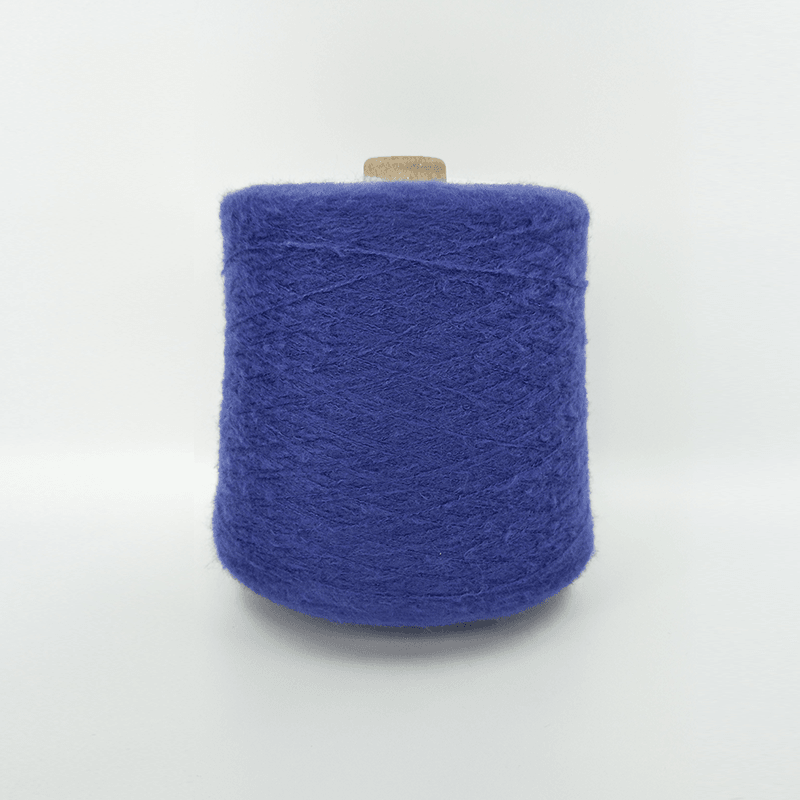
.jpg?imageView2/2/w/800/h/800/format/webp/q/75 "Viscose Core Spun Yarn")

 Click to view
“The company adheres to the business philosophy of 'You Win, I Win' ”
Content
- 1 Understanding What Fancy Knitting Yarn Really Means
- 2 The Major Types of Fancy Knitting Yarn
- 3 Fiber Content in Fancy Yarn: What You Need to Know
- 4 How to Choose the Right Fancy Yarn for Your Project
- 5 Practical Tips for Knitting with Fancy Yarn
- 6 Best Project Ideas for Fancy Knitting Yarn
- 7 Storing and Maintaining Your Fancy Yarn Stash
Understanding What Fancy Knitting Yarn Really Means
Fancy knitting yarn is a broad term used to describe any yarn that goes beyond the standard smooth, single-ply construction. These are yarns engineered or crafted to have distinctive textures, visual effects, or fiber compositions that set them apart from basic worsted or DK weight yarns. The category includes everything from fluffy mohair blends and glittering metallic threads to chunky bouclé loops and hand-dyed variegated skeins. What unites them is their ability to add visual interest, tactile depth, and creative dimension to knitted projects — qualities that plain yarn simply cannot replicate.
The appeal of fancy knitting yarn spans all skill levels. Beginners often gravitate toward self-striping or gradient yarns that produce beautiful color effects without requiring advanced techniques. Experienced knitters seek out specialty fibers like qiviut, silk, or hand-spun art yarn to challenge themselves and create truly one-of-a-kind pieces. Understanding the different types of fancy yarn and how each one behaves on the needles is the first step to using them successfully.
The Major Types of Fancy Knitting Yarn
The world of fancy yarn is vast and constantly evolving. However, most specialty yarns fall into several well-defined categories, each with its own characteristics and best-use cases.
Bouclé and Loop Yarns
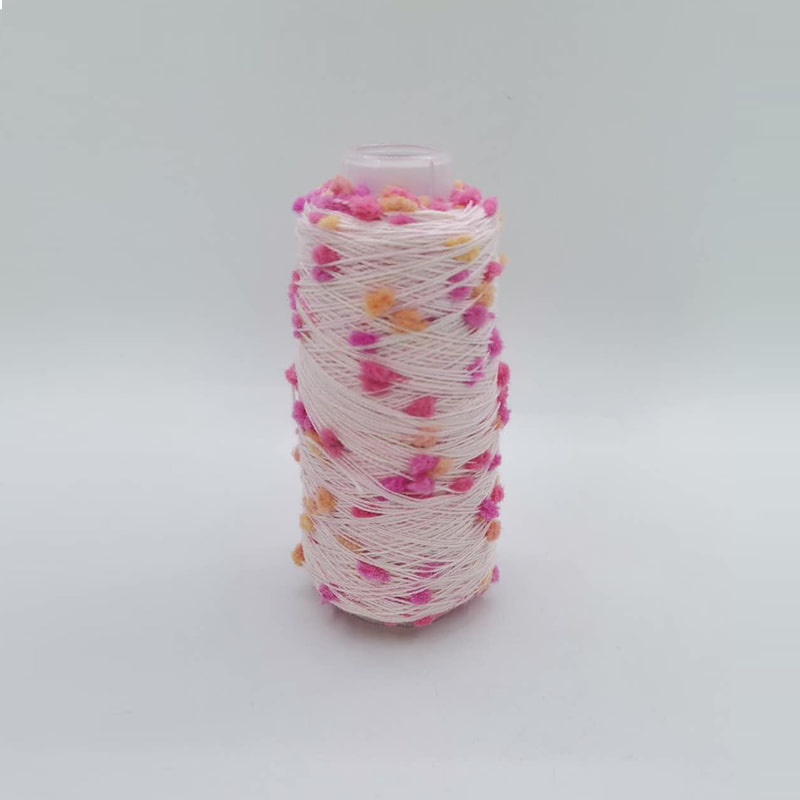
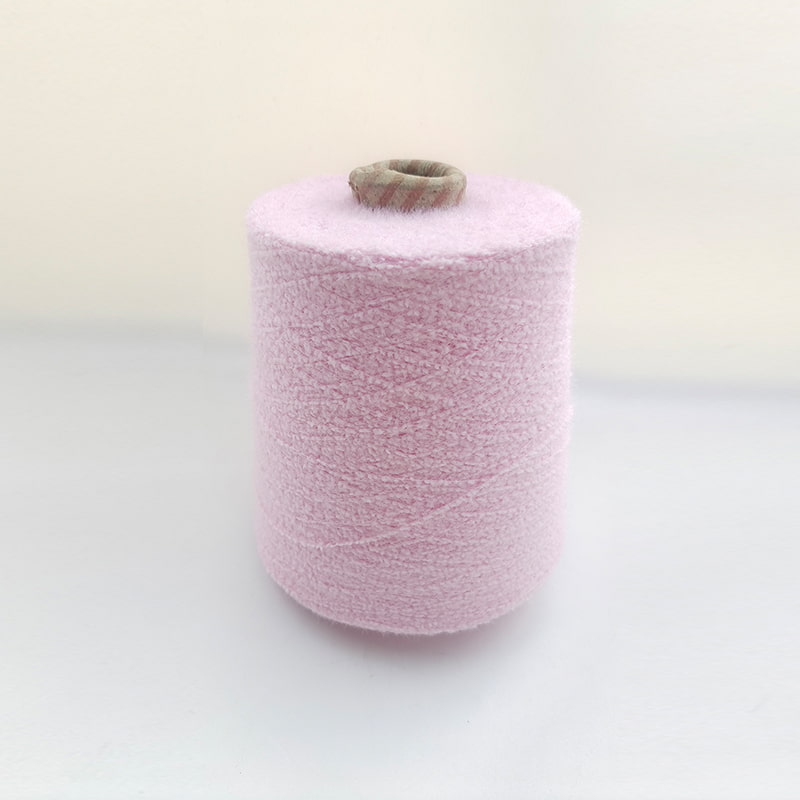
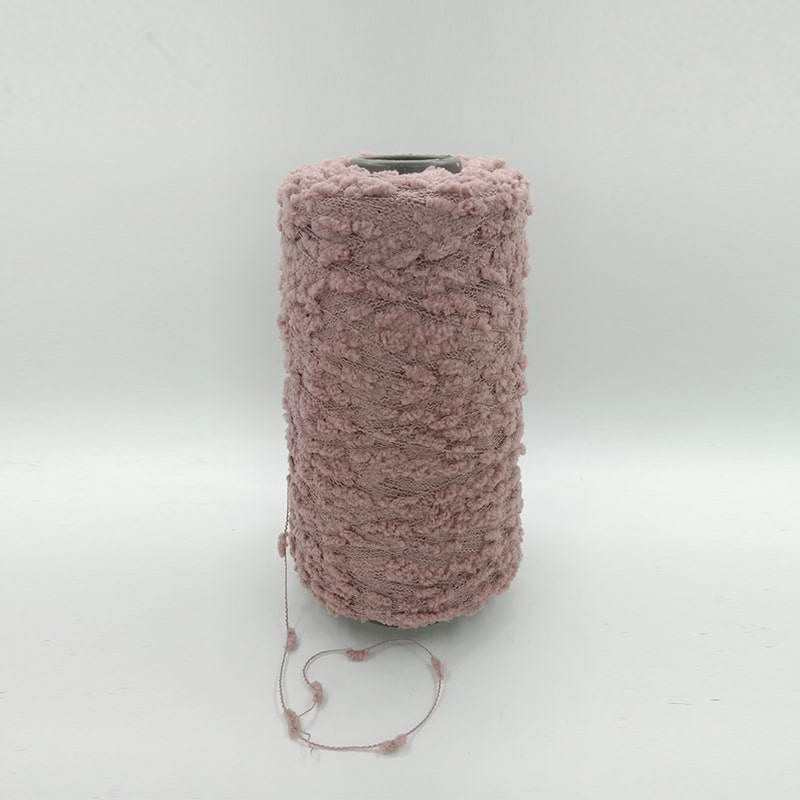
Bouclé yarn features small loops or curls along its length, creating a bumpy, textured surface in the finished fabric. It is often made from wool, cotton, or synthetic fibers and gives knitted pieces a rich, dimensional look. Bouclé works beautifully for jackets, scarves, and home décor items but can be challenging to knit because the loops make it difficult to see individual stitches clearly. Larger needles and simple stitch patterns are recommended.
Metallic and Glitter Yarns
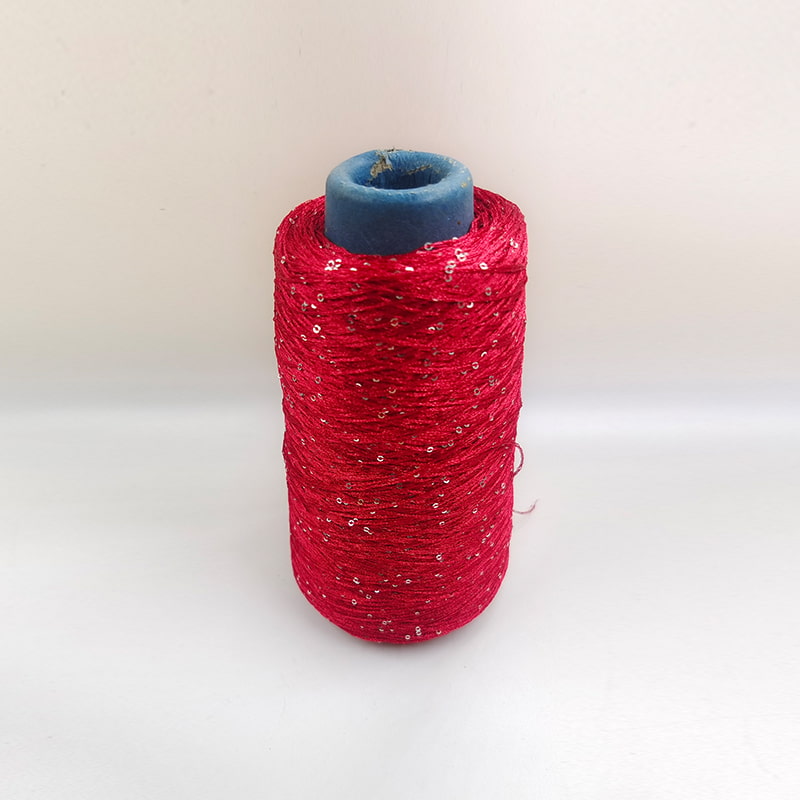
Metallic yarns incorporate thin strands of reflective material — often polyester or Lurex — twisted alongside fiber to create a sparkling effect. They range from subtly shimmery to boldly glittery and are popular for festive garments, evening accessories, and decorative projects. Many knitters use metallic yarn as a carry-along, held together with a plain yarn to add sparkle without sacrificing knittability.
Eyelash and Fringe Yarns
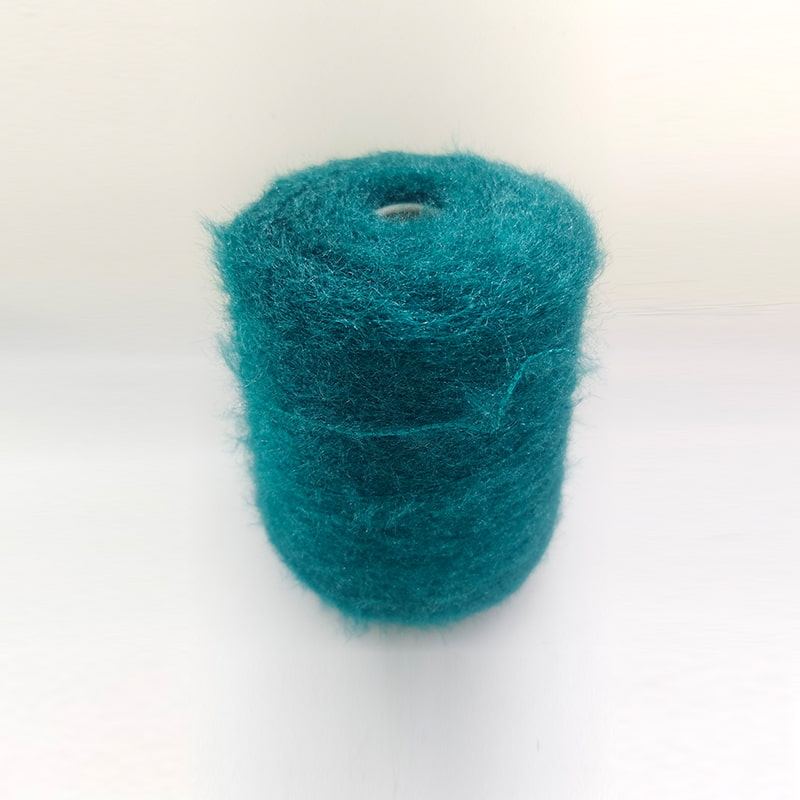
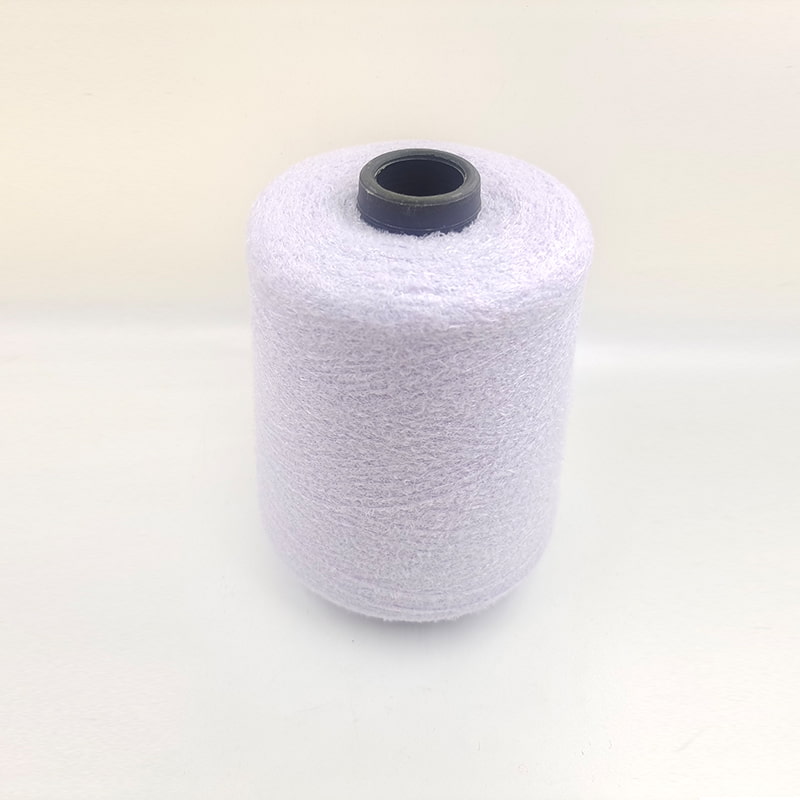
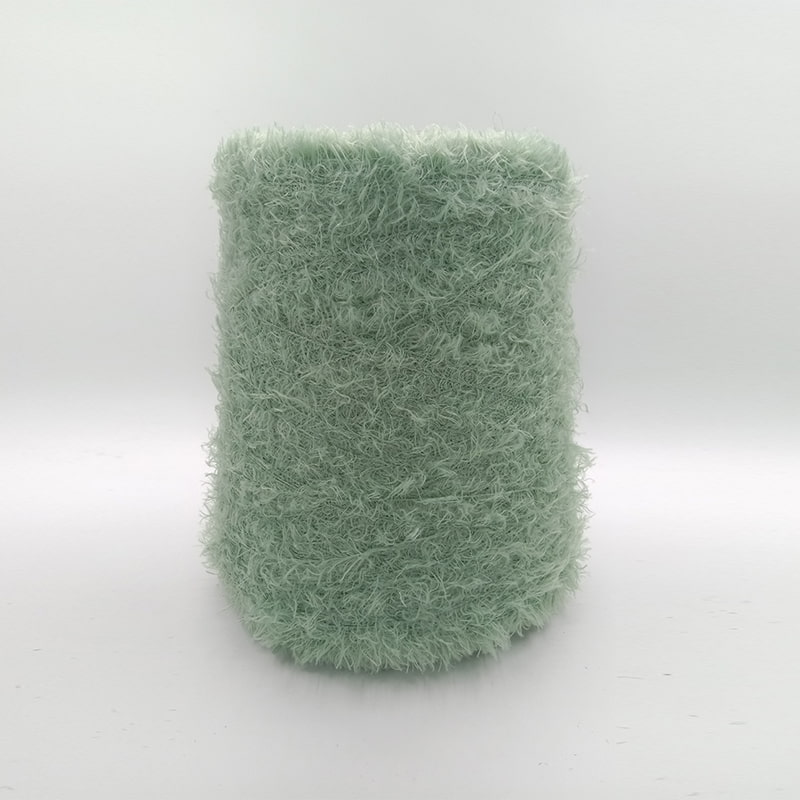
Eyelash yarn has long, fine fibers protruding from a central core thread, resembling — as the name suggests — eyelashes. These yarns create a feathery, fluffy surface that is extremely soft to the touch. They are commonly used for scarves, trim on garments, and novelty accessories. Like bouclé, the obscured stitches make tension monitoring difficult, so patterns using eyelash yarn are typically simple and stitch-count minimal.
Variegated and Hand-Dyed Yarns
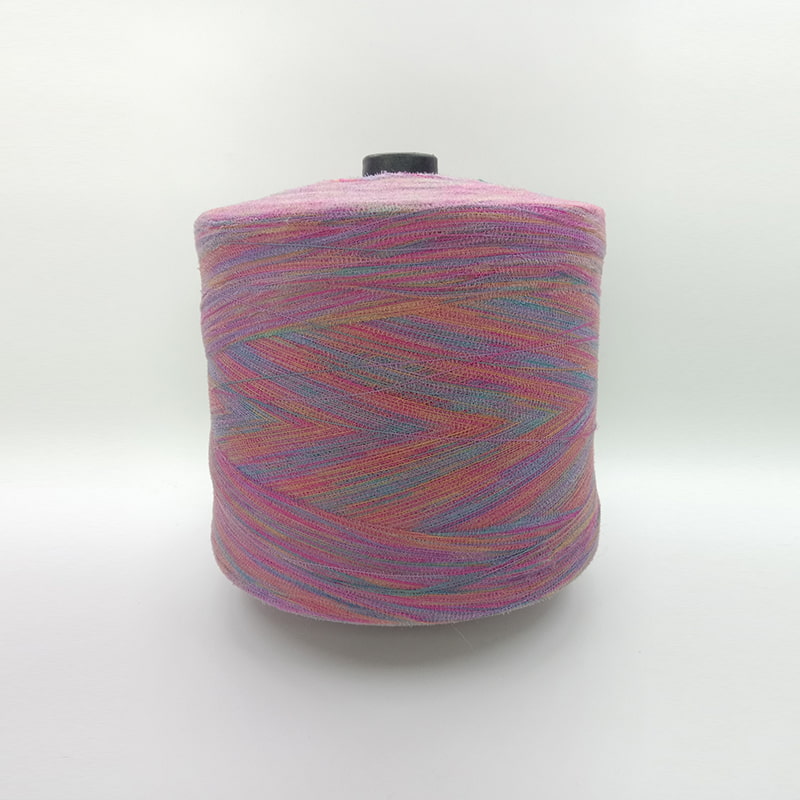
Variegated yarn transitions between two or more colors along its length. Self-striping yarns change color in long stretches to create horizontal stripes automatically, while hand-painted or kettle-dyed yarns shift color more unpredictably, producing a painterly, organic effect. These yarns are especially popular for shawls, socks, and sweaters where the color movement adds visual storytelling to the finished piece.
Ribbon and Tape Yarns
Ribbon yarn is flat rather than round, giving knitted fabric a smooth, almost woven appearance. It can be made from silk, rayon, nylon, or cotton and often has a subtle sheen. Tape yarns behave differently from round yarns on the needle — they tend to twist, which requires the knitter to occasionally let the work hang and unwind. The results, however, are stunning: drapey, lustrous fabric with excellent stitch definition.
Fiber Content in Fancy Yarn: What You Need to Know
The fiber content of a fancy yarn determines how it feels, how it wears, how it's cared for, and how it responds to blocking. Below is a quick reference for the most common fibers found in specialty and novelty yarns:
| Fiber | Feel | Best For | Care |
| Mohair | Soft, halo effect | Shawls, lace, held-double knitting | Hand wash cold |
| Silk | Smooth, lustrous | Garments, ribbon yarn | Hand wash, lay flat to dry |
| Lurex/Metallic | Sparkly, slightly stiff | Accessories, festive wear | Gentle machine wash or hand wash |
| Alpaca | Ultra-soft, warm | Sweaters, hats, cowls | Hand wash cold |
| Acrylic Novelty | Varies widely | Kids' items, décor, eyelash | Machine washable |
Always check the yarn label before purchasing and knitting. Fancy yarns with mixed fiber content — for example, a mohair-silk blend or a wool-metallic combination — require care that respects the most delicate fiber in the blend.
How to Choose the Right Fancy Yarn for Your Project
Selecting a fancy yarn involves more than picking the prettiest skein on the shelf. The yarn must match the project requirements in terms of drape, weight, washability, and stitch definition. Here are the key factors to evaluate before committing to a yarn:
- Project type: Wearables need softer, more flexible yarns, while home décor items can tolerate stiffer or more textured options. A chunky bouclé might be perfect for a throw blanket but overwhelming in a fitted sweater.
- Stitch pattern complexity: Fancy yarns with heavy texture — like eyelash or bouclé — obscure stitch detail, making them incompatible with lace or cable patterns. Reserve intricate stitch work for smooth yarns with a subtle sheen or color interest instead.
- Drape requirements: Silk, rayon, and ribbon yarns create drapey fabric ideal for garments that need to flow. Wool and alpaca novelty yarns produce loftier, structured fabric better suited for warm accessories.
- Recipient and use: For baby items or sensitive-skin wearers, avoid scratchy metallic threads or heavily synthetic novelty fibers. Opt for soft alpaca blends or superwash merino novelties instead.
- Budget: Fancy yarns vary enormously in price. Hand-dyed artisan skeins and luxury fiber blends can cost significantly more per skein than machine-made novelty acrylics. Plan your yardage requirements carefully and factor in cost per yard, not just cost per skein.
.jpg?imageView2/2/w/500/h/500/format/jpg/q/100)
Practical Tips for Knitting with Fancy Yarn
Working with fancy knitting yarn requires a few adjustments to your usual technique. These practical strategies will help you get the best results and avoid common frustrations:
Always Swatch First
Swatching is important for all yarn, but it's critical with fancy yarn. Specialty fibers often behave unexpectedly — mohair blooms significantly after washing, ribbon yarn relaxes and stretches, and metallic strands can cause gauge to tighten. Knit a 6-inch swatch, wash and block it exactly as you plan to treat the finished item, and measure gauge only after it has dried completely.
Use the Right Needle Material
Slippery yarns like silk or ribbon work better on wood or bamboo needles, which provide grip and prevent stitches from sliding off accidentally. Stickier yarns like mohair or loopy bouclé may work more smoothly on metal needles, which allow the yarn to glide more freely and reduce the risk of splitting or snagging on wood grain.
Work in Good Lighting
Textured fancy yarns make it very hard to see individual stitches, especially in dark colorways. Always work with novelty yarns under bright, direct light. Some knitters use a lighted magnifying glass when working with very fine or heavily textured specialty fibers to track stitch counts accurately.
Embrace Simple Patterns
The yarn itself is the star when working with fancy fibers. Resist the urge to combine a heavily textured or variegated yarn with a complex stitch pattern — the two will compete visually and neither will shine. Instead, use stockinette, garter stitch, or simple ribbing to let the yarn's unique qualities take center stage.
Best Project Ideas for Fancy Knitting Yarn
Not all projects are equally well-suited to fancy yarn. Here are some project categories that consistently showcase specialty yarns at their best:
- Scarves and cowls: These are the ideal entry point for fancy yarn. The rectangular or circular format requires no complex shaping, and the finished item is worn close to the face where the yarn's texture and color will be noticed and appreciated.
- Shawls and wraps: Gradient, hand-dyed, and mohair-blend yarns excel in shawl projects. The large surface area allows color transitions and texture halos to fully develop across the fabric.
- Hats and beanies: Chunky bouclé and novelty yarns make quick, visually striking hats with minimal yardage. A single skein is often enough for a complete beanie, making hats a low-risk way to experiment with expensive specialty fibers.
- Statement garment accents: Use fancy yarn strategically as trim, cuffs, or collar details on otherwise plain knit garments. A simple merino sweater with bouclé cuffs or a metallic yarn collar becomes an elevated, fashion-forward piece.
- Home décor and gifts: Eyelash, chenille, and ribbon yarns work beautifully for decorative pillows, wall hangings, gift bags, and seasonal ornaments — projects where washability is less of a concern and visual impact is the priority.
Storing and Maintaining Your Fancy Yarn Stash
Fancy yarns often contain delicate fibers that require thoughtful storage to maintain their quality. Metallic threads can tarnish if exposed to humidity, while natural fibers like silk and mohair are vulnerable to moths and insects. Store specialty yarns in sealed zip-lock bags or airtight containers with cedar blocks or lavender sachets to deter pests. Keep them away from direct sunlight, which fades dye — especially in vibrant hand-dyed colorways. Label each yarn with its fiber content and care instructions so you always have that information ready when you're ready to cast on a new project.
Fancy knitting yarn is one of the most exciting aspects of the fiber arts world. Whether you're drawn to the luminous sheen of silk ribbon, the ethereal halo of a mohair-silk lace weight, or the playful bounce of a bouclé, there is a specialty yarn that can transform your next knitting project from ordinary to extraordinary. With the right knowledge about fiber types, project pairing, and technique adjustments, even beginners can work confidently with fancy yarns and produce results that look and feel truly professional.
