

 English
 Español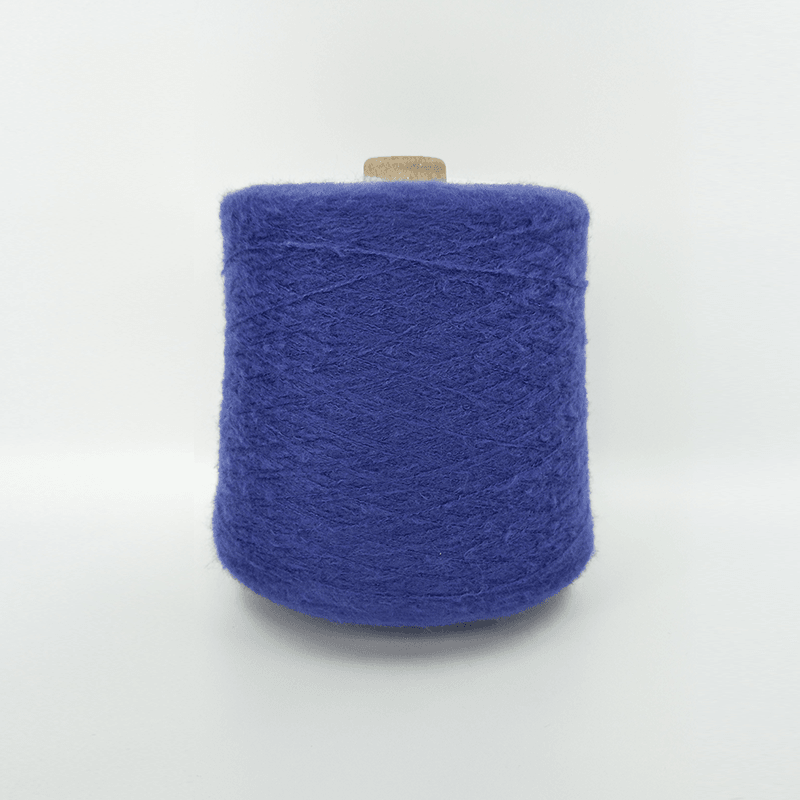
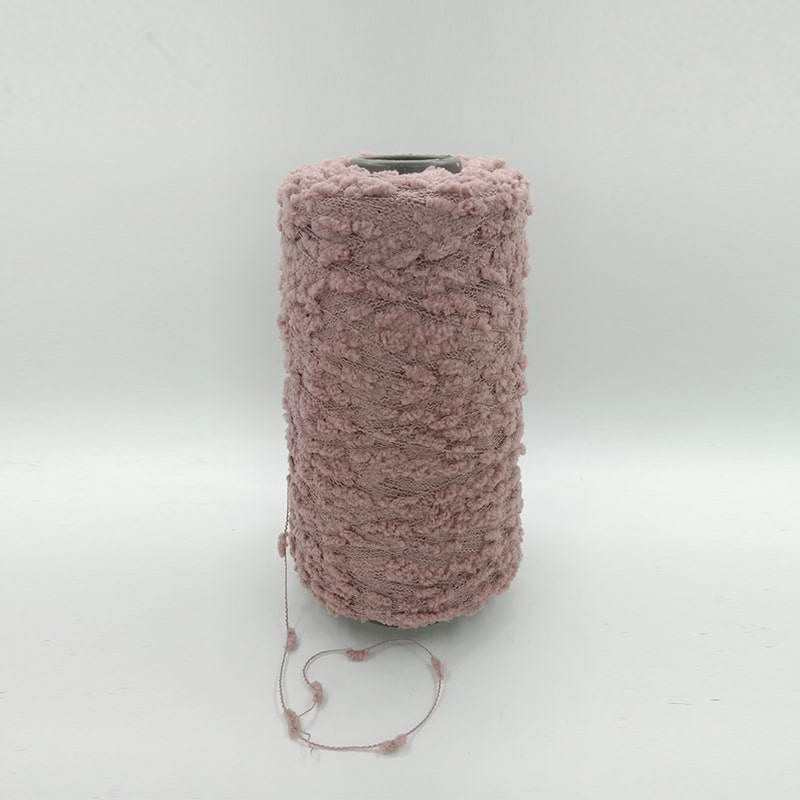
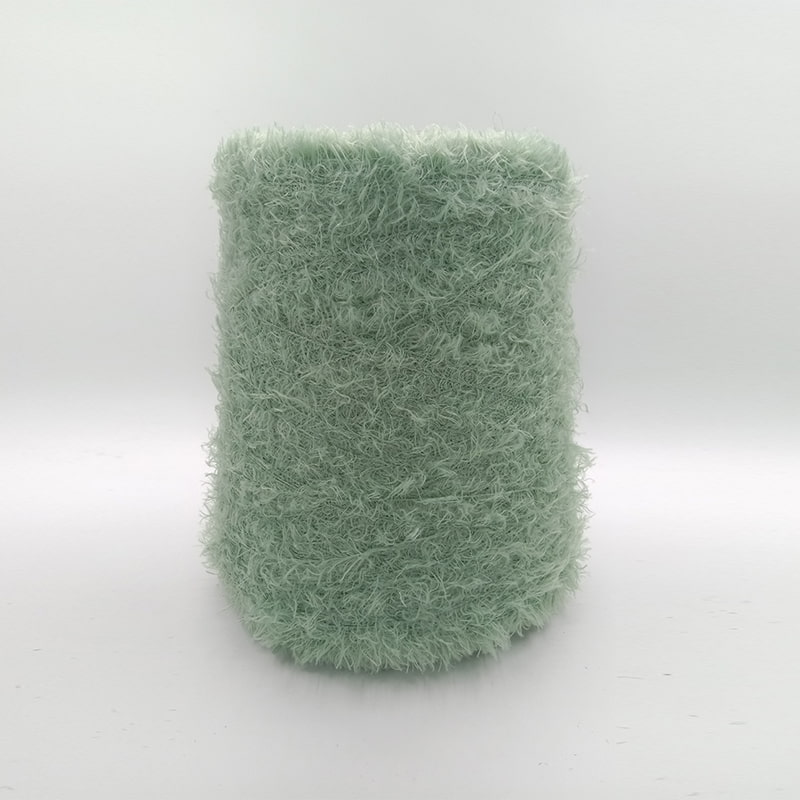
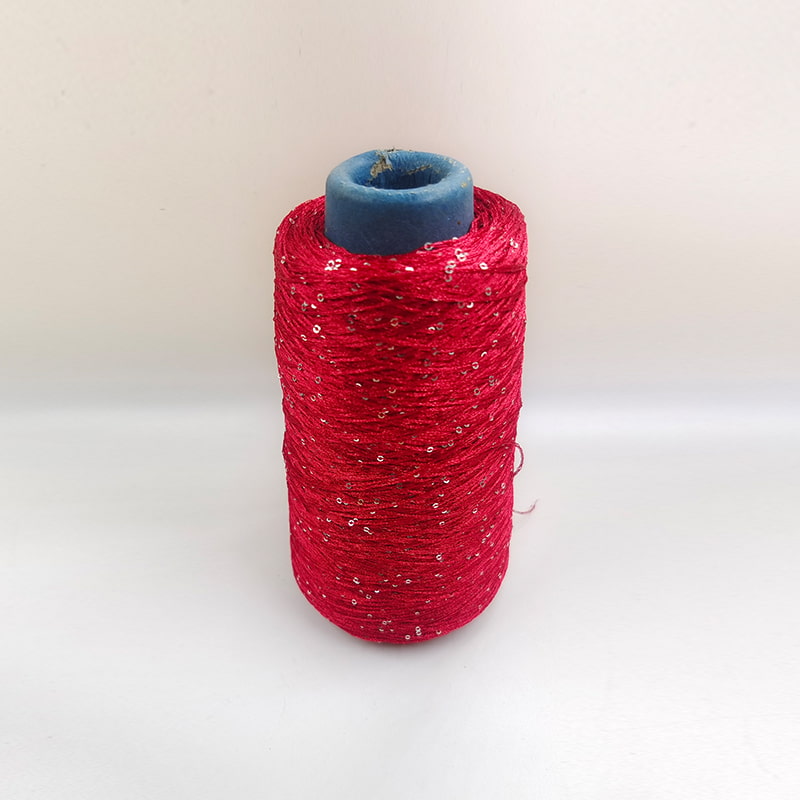
.jpg?imageView2/2/w/800/h/800/format/webp/q/75 "Viscose Core Spun Yarn")

 Click to view
“The company adheres to the business philosophy of 'You Win, I Win' ”
Content
- 1 Core Spun Yarn Structure and Mechanics
- 2 Rabbit Hair Fiber Characteristics
- 3 Common Core Materials and Their Roles
- 4 Spinning and Wrapping Process
- 5 Key Performance Properties
- 6 Typical Yarn Counts and Specifications
- 7 Applications in Knitwear and Textiles
- 8 Shedding, Pilling, and How to Control Them
- 9 Dyeing and Color Consistency
- 10 Quality Control and Testing Parameters
- 11 Care and Maintenance for End Products
- 12 Cost Factors and Sourcing Considerations
- 13 Sustainability and Ethical Considerations
- 14 How to Specify Rabbit Hair Core Spun Yarn for Production
- 15 Conclusion: Balancing Luxury and Performance
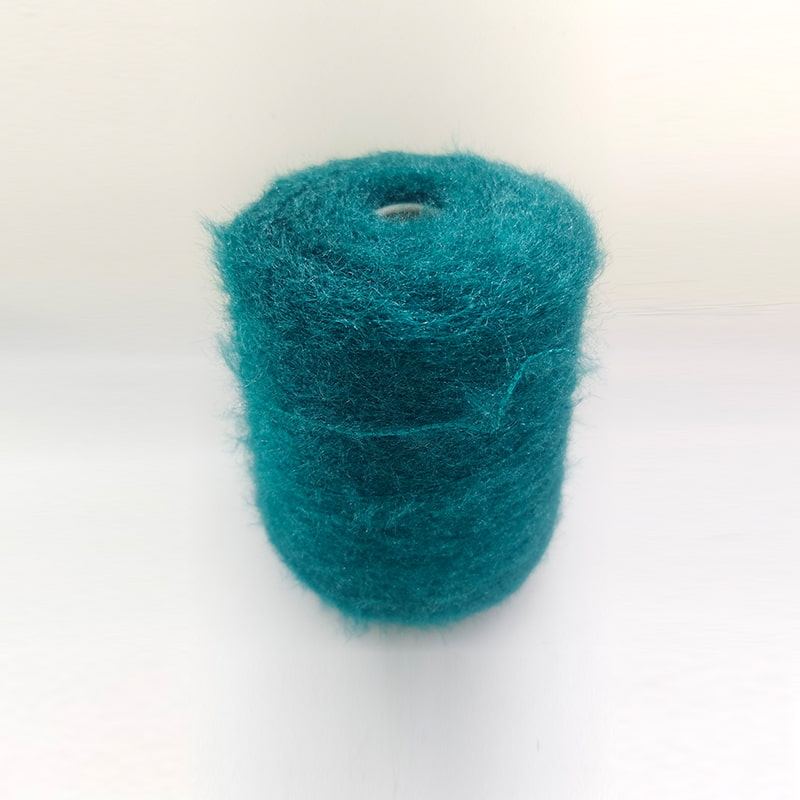
Rabbit hair core spun yarn is a composite yarn in which fine rabbit hair fibers, often Angora, are wrapped around a central filament or staple core. The core is commonly polyester, nylon, acrylic, or viscose, providing strength and dimensional stability, while the rabbit hair sheath delivers softness, warmth, and a luxurious hand feel. This construction allows manufacturers to balance performance and cost while retaining the premium surface characteristics of rabbit hair.
Compared with 100% rabbit hair yarn, core spun structures significantly reduce hair shedding, improve tensile strength, and enhance processing efficiency in knitting and weaving. The result is a yarn that maintains the visual and tactile appeal of rabbit hair but performs more reliably in commercial textile production.
Core Spun Yarn Structure and Mechanics
The defining feature of rabbit hair core spun yarn is its two-part structure. The inner core carries most of the mechanical load, while the outer rabbit hair fibers form a soft, insulating layer. This separation of functions allows engineers to optimize each component independently.
The wrapping angle, twist level, and fiber alignment determine how well the rabbit hair covers the core. A tighter wrap improves durability and reduces hair loss, while a looser wrap enhances loft and softness. Manufacturers fine-tune these parameters based on the intended end use, such as lightweight knitwear or heavy winter accessories.
.jpg)
Rabbit Hair Fiber Characteristics
Rabbit hair, especially Angora, is known for its hollow fiber structure. This trapped air improves thermal insulation while keeping garments lightweight. The fibers are extremely fine, often finer than cashmere, which contributes to a soft, silky surface.
However, rabbit hair fibers are relatively short and smooth, which can lead to shedding and low cohesion when spun alone. Core spun construction addresses these limitations by anchoring the fibers to a stronger central yarn, improving spinnability and reducing fiber migration during wear and washing.
Common Core Materials and Their Roles
The choice of core material directly affects yarn strength, elasticity, and end-product durability. Different cores are selected based on cost targets, fabric performance, and processing requirements.
- Polyester filament: High strength, low cost, good dimensional stability.
- Nylon filament: Superior abrasion resistance and elasticity.
- Acrylic staple yarn: Lightweight and warm, with a wool-like feel.
- Viscose or modal: Enhanced drape and moisture absorption.
Filament cores generally offer higher strength and smoother yarns, while staple cores can increase bulk and softness. The selection is a strategic balance between hand feel, durability, and price positioning.
Spinning and Wrapping Process
Rabbit hair core spun yarn is produced using specialized spinning frames or modified ring spinning systems. The core filament is fed under controlled tension while rabbit hair fibers are drafted and twisted around it.
Key process variables include core tension, sheath fiber feed rate, twist per inch, and wrapping consistency. Proper control ensures full coverage of the core and uniform yarn appearance. Poor control can lead to exposed core, uneven hair distribution, and weak spots that affect fabric quality.
Key Performance Properties
Rabbit hair core spun yarn combines luxury aesthetics with functional performance. The most important properties include strength, warmth, softness, and resistance to shedding.
- Higher tensile strength compared with pure rabbit hair yarn.
- Improved thermal insulation due to hollow fibers.
- Reduced hair loss through better fiber anchoring.
- Better resistance to pilling when properly finished.
These properties make the yarn suitable for both high-end fashion and functional winter textiles, offering a blend of comfort and durability.
Typical Yarn Counts and Specifications
Rabbit hair core spun yarn is available in a wide range of counts and blends to meet different fabric requirements. Finer counts are used for lightweight knitwear, while coarser counts are preferred for accessories and outerwear.
| Yarn Count Range | Common Applications | Typical Core |
| 20s–30s | Scarves, hats | Acrylic or polyester |
| 30s–50s | Sweaters, cardigans | Polyester or nylon |
| 50s–80s | Lightweight knitwear | Nylon filament |
Applications in Knitwear and Textiles
Rabbit hair core spun yarn is widely used in winter apparel where softness and warmth are key selling points. Common applications include sweaters, scarves, hats, gloves, and shawls.
In addition to apparel, the yarn is also used in home textiles such as throws and decorative knit blankets. The core spun structure ensures these products retain shape and durability while delivering a premium tactile experience.
Shedding, Pilling, and How to Control Them
Shedding and pilling are common concerns with rabbit hair products. Core spun yarn design helps reduce these issues, but finishing and fabric construction also play important roles.
Higher twist levels, tighter knitting structures, and anti-pilling finishes can significantly improve surface durability. Blending rabbit hair with small percentages of longer fibers also enhances fiber cohesion and reduces loose fiber release.
Dyeing and Color Consistency
Rabbit hair fibers and synthetic cores have different dye affinities. This can lead to shade variations if not carefully controlled. Yarn dyeing processes must be optimized to achieve even coloration on both the sheath and the core.
Pre-blending, controlled pH dye baths, and compatible dye systems help improve color uniformity. For fashion brands, laboratory dip approvals are critical to ensure bulk production matches approved shades.
Quality Control and Testing Parameters
Consistent quality is essential for commercial use of rabbit hair core spun yarn. Key tests focus on mechanical performance and appearance stability.
- Tensile strength and elongation of the core and finished yarn.
- Hairiness index to monitor fiber shedding tendency.
- Evenness testing to detect thick and thin places.
- Color fastness to washing and rubbing.
Regular monitoring of these parameters helps maintain batch-to-batch consistency and reduces fabric defects during downstream processing.
Care and Maintenance for End Products
Garments made from rabbit hair core spun yarn require gentle care to preserve softness and reduce fiber damage. Hand washing or gentle machine cycles in cold water are generally recommended.
Avoid high heat, aggressive agitation, and tumble drying, as these can increase shedding and cause fiber breakage. Flat drying helps maintain garment shape and prevents stretching of the core yarn.
Cost Factors and Sourcing Considerations
The cost of rabbit hair core spun yarn depends on rabbit hair grade, blend ratio, core material, and production scale. Higher rabbit hair content increases softness and warmth but also raises material cost and processing difficulty.
Reliable sourcing of consistent-quality rabbit hair is critical. Variations in fiber length, fineness, and cleanliness directly affect spinning efficiency and yarn appearance. Long-term supplier relationships help stabilize quality and pricing.
Sustainability and Ethical Considerations
Sustainability is increasingly important in luxury fiber markets. Ethical sourcing of rabbit hair, animal welfare standards, and transparent supply chains are key concerns for brands and consumers.
Using recycled polyester cores or certified fibers can improve the environmental profile of rabbit hair core spun yarn. Clear documentation and third-party certifications help support responsible sourcing claims.
How to Specify Rabbit Hair Core Spun Yarn for Production
When specifying this yarn for manufacturing, buyers should clearly define rabbit hair percentage, core type, yarn count, twist level, and acceptable hairiness range. These parameters directly influence fabric feel and performance.
Sampling and pilot knitting are recommended to confirm that the selected yarn meets design and durability expectations. Clear technical specifications reduce production risk and improve consistency across bulk orders.
Conclusion: Balancing Luxury and Performance
Rabbit hair core spun yarn offers a practical way to deliver the softness and warmth of rabbit hair while improving strength, durability, and processability. By carefully selecting core materials, controlling spinning parameters, and applying proper finishing, manufacturers can produce yarns that meet both luxury and performance requirements.
For brands and manufacturers, understanding the technical aspects of rabbit hair core spun yarn is essential to achieving consistent quality, customer satisfaction, and long-term product value in premium knitwear markets.
